The Unheralded Champion of Longevity: Your Glute Muscles
While many focus on cardiovascular health or diet for a longer life, experts are highlighting a surprising muscle group as a critical factor: the glutes. These muscles, comprising the gluteus maximus, medius, and minimus, are not just for aesthetics but serve as fundamental pillars for mobility, stability, and overall well-being.
Why Glutes Matter for Independent Living
The glutes are the largest muscle group in the human body, playing a vital role in supporting the body, facilitating movement, and even enhancing posture. According to Theresa Marko, an adjunct professor of physical therapy at Touro University, strong glutes are essential for daily activities. "Do you want to get off the subway? Do you want to get off the toilet?" she emphasized in a recent interview with The New York Times, underscoring their importance for maintaining independence as we age.
Muscle Mass as a Longevity Insurance Policy
Research consistently shows that building muscle can significantly extend life expectancy. For instance, just one hour of strength training per week has been linked to a 17 percent increase in longevity, as reported by the non-profit AARP. This is particularly crucial given the natural decline in muscle strength with age; the average person loses about a quarter of their muscle strength by age 70 and half by age 90, according to Harvard Health.
Elaina Manolis, an assistant clinical professor at Northeastern University, explained, "Muscle mass really is the key to longevity. It really is our insurance policy for how long we want to stay functional. To live a long and healthy life, you want to be as functional and independent as possible, and that’s going to depend on how well you move."
Beyond Physical Benefits: Glutes and Overall Health
Strong glutes offer a wide array of health advantages:
- Injury Prevention: They stabilize the hips and pelvis, protect the spine from stress, and provide shock absorption during activities like walking or running.
- Fall Reduction: Past studies indicate that stronger glutes help prevent falls in older adults, a major concern for aging populations.
- Brain Health: Emerging evidence suggests a link between glute strength and cognitive function. Dr. Chris Renna, founder of LifeSpan Medicine, noted that stronger leg muscles act as pumps for cerebral circulation, delivering oxygen and nutrients to neurons while improving insulin sensitivity and reducing inflammation.
Amy Koch, a physical therapist at Nebraska Methodist Health System, added, "Strong gluteals are important for proper pelvic alignment, propulsion during walking and running, and even standing on one leg. They also help support the lower back during lifting and prevent knee injuries."
Combating 'Dead Butt Syndrome' from Sedentary Lifestyles
With Americans spending up to eight hours a day sitting, many face what experts term "dead butt syndrome," characterized by muscle weakness and a numb sensation in the buttocks. Dr. Andrew Bang, a chiropractor with the Cleveland Clinic, warned, "While dead butt syndrome may be a funny term, it can grow into some serious health issues that affect your ability to move." This sedentary behavior overloads muscles like the hamstrings and neck while neglecting the glutes, core, and supportive muscles, potentially leading to difficulties in rising from a seat.
Dr. Callie M. Davies, a sports medicine physician at the Mayo Clinic, highlighted the risks: "Sitting for most of the workday, an average of eight hours, raises your mortality risk, meaning you have a higher chance of dying earlier than expected."
Practical Steps to Strengthen Your Glutes
To counteract these effects and boost longevity, experts recommend incorporating targeted exercises into your routine:
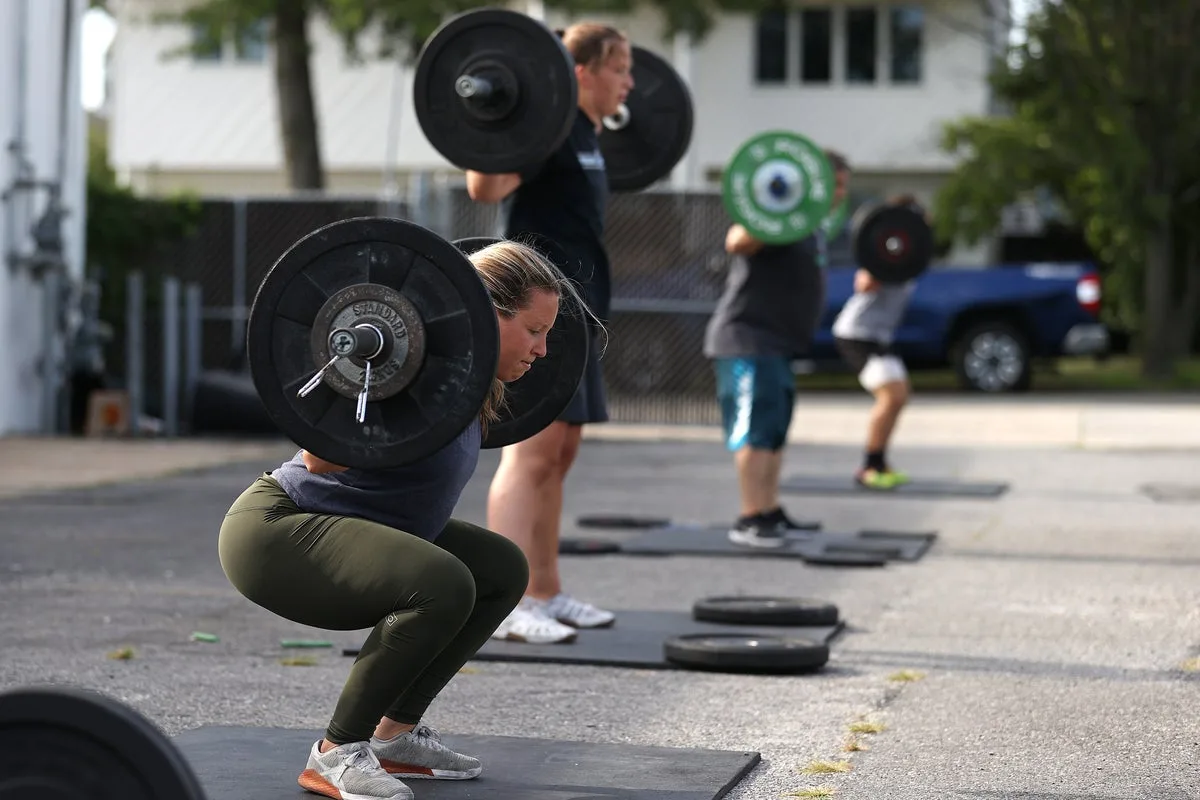
- Weighted Exercises: Practices like deadlifts, squats, and hip thrusts can build glute muscle effectively. The International Sports Sciences Association suggests doing 6-12 repetitions with heavy resistance for optimal results.
- Cardio Activities: Using a stairmaster, climbing stairs, or going for a run also engage the glutes.
- Everyday Movements: Sandor Dorgo, a professor of kinesiology at the University of Texas at San Antonio, advised, "What they need to do is mimic movement patterns that we would see in everyday life."
Simple adjustments, such as sitting up straight, keeping feet flat on the floor, and avoiding crossed legs, can help, but active exercise remains key. By prioritizing glute strength, individuals can enhance their mobility, reduce health risks, and pave the way for a longer, more independent life.






