Gas Stoves Leak Cancer-Causing Benzene Even When Off, Study Reveals
Gas Stoves Leak Cancer-Causing Benzene Even When Off

Gas Stoves Emit Cancer-Causing Benzene Even When Switched Off, Study Finds

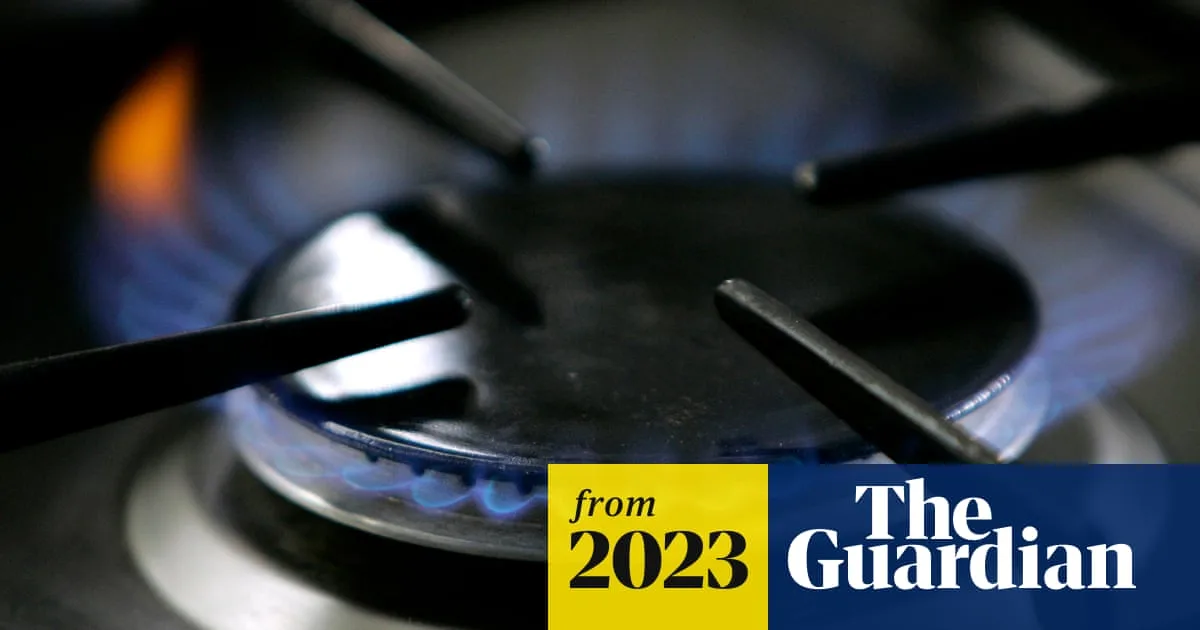
A new scientific study has issued a stark warning that gas stoves in kitchens across the UK could be leaking significant quantities of benzene, a chemical strongly linked to cancer, even when they are not in use. Researchers discovered that the levels of benzene emitted are so high that they are comparable to living with a smoker, posing a serious health risk to hundreds of thousands of people.

Eye-Popping Benzene Concentrations Detected

Benzene is a colourless, highly flammable chemical commonly found in petrol fumes, cigarettes, and natural gas, with a characteristic sweet odour. Exposure to benzene has been associated with an increased risk of cancer, particularly leukaemia, as well as other long-term health issues. The study, led by PSE Health Energy and involving scientists from Stanford University, collected nearly 80 samples of unburned gas from homes in the UK, the Netherlands, and Italy.

Dr Seth Shonkoff, executive director of PSE Health Energy, stated, 'The levels of benzene we found in the distribution system gas in the UK and the Netherlands are frankly eye-popping. That means even a small leak can pose significant health risks quickly indoors and outdoors.' He emphasised that whether the leak originates from a pipeline or a kitchen stove, the health risk remains the same.

Wide Pickt banner — collaborative shopping lists app for Telegram, phone mockup with grocery list

UK Homes Record Highest Benzene Levels

The research revealed that European natural gas contains much higher benzene concentrations than American sources. In London and Amsterdam, benzene levels were between 60 and 80 times higher than the average in North America. The largest in-home benzene concentration was recorded in London, where a leaky stove released amounts 13 times above the recommended limit.

Low-level gas leaks were detected in 40 per cent of the kitchens studied, with quantities too small for people to notice. In approximately nine per cent of homes, the combination of leak rates and benzene levels exceeded the EU annual limit, indicating a potential chronic health risk. The study calculated that in the UK, benzene exposure could rise to nine times the national safe limit before most people could smell the leak.

Regional Variations and Public Health Implications

Levels of benzene varied across UK regions, with London gas containing 64 times more benzene than North American homes. Cambridgeshire gas had 42 times more, while Manchester and Edinburgh had 23 times and 16 times more, respectively. The study, published in the journal Environmental Research Letters, did not explain the reason for these regional differences but suggested they may be due to different gas sources.

More than half of British homes, equivalent to over 36 million people, use gas for cooking. Dr Tamara Sparks, who led the study, commented, 'Given these high concentrations, a lot of people are likely being chronically exposed to benzene without knowing it. We have little clarity on why gas leaks occur in some homes and not others, making this benzene hazard essentially a lottery.' She advised that opening windows can help reduce personal risk, but noted that individuals have limited control when gas is piped into their homes.

Expert Reactions and Industry Response

Rachel Huxley, a spokeswoman for the Wellcome Trust, expressed concern, saying, 'We expect our homes to be the safest place we spend our time. This study shows that everyday use of gas can put people at unnecessary health risks.' Professor Frank Kelly of Imperial College London, who was not involved in the study, agreed that the findings are 'really quite worrying' and did not believe the risks were exaggerated.

However, Professor Alastair Lewis of the University of York offered a contrasting view, stating that current data on UK homes does not indicate a widespread problem with high benzene concentrations. Future Energy Networks, representing UK gas distributors, said any potential health and safety concerns are taken seriously and that they will consider the study's findings.

The research highlights a significant but previously overlooked public health issue, urging action to mitigate the threat posed by benzene emissions from gas stoves in homes across the UK and Europe.

Pickt after-article banner — collaborative shopping lists app with family illustration