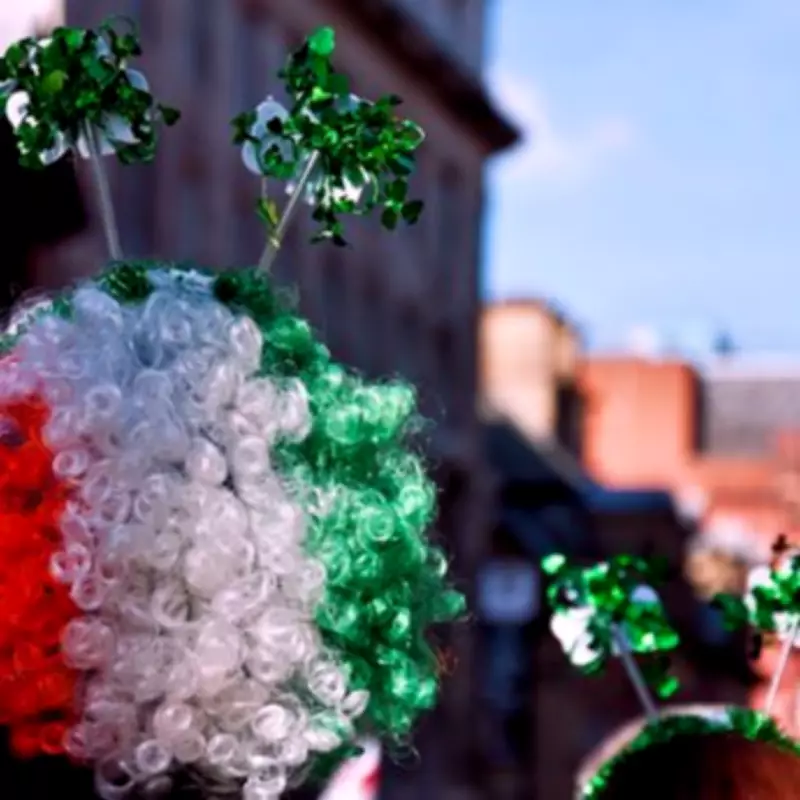
St Patrick's Day, observed annually on March 17, is a global celebration honouring the patron saint of Ireland and Irish heritage. However, this festive occasion has become closely associated with binge-drinking traditions that pose significant health risks, potentially requiring hospital treatment if safety precautions are ignored.
The Dangers of Holiday Binge-Drinking
Revellers frequently indulge in excessive alcohol consumption during St Patrick's Day festivities, with popular choices including whiskey, Guinness, and Irish coffees. This practice can quickly escalate into alcohol poisoning, a serious medical condition that may lead to severe illness or even necessitate emergency hospital care.
Understanding Alcohol Poisoning
Alcohol poisoning occurs when an individual consumes alcohol faster than their body can metabolise it, resulting in dangerously high blood alcohol levels. The body's processing capacity varies significantly between people, meaning there is no universally safe rate for binge-drinking.

Excessive alcohol in the bloodstream disrupts vital bodily functions and can cause life-threatening complications if left untreated. While symptoms might initially resemble general intoxication, four distinct warning signs indicate alcohol poisoning specifically.
Four Critical Warning Signs
The key indicators that differentiate alcohol poisoning from ordinary intoxication include:
- Pale or blue-tinged skin, lips, gums, or nails
- Loss of consciousness
- Seizures
- Irregular breathing patterns
Additional Symptoms and NHS Guidance
According to the National Health Service, other alcohol poisoning symptoms encompass confusion, slurred speech or inability to speak, loss of coordination preventing standing or walking, vomiting, and involuntary urination or defecation.
Hospital treatment typically involves close monitoring for complications like liver or heart failure, which can prove fatal. Medical interventions may include intravenous fluid administration and respiratory support until alcohol effects diminish.
Emergency Response Recommendations
If you suspect someone is experiencing alcohol poisoning, remain with them until medical help arrives or the alcohol wears off. Risks include choking on vomit or respiratory failure. The NHS advises sitting conscious individuals upright or placing unconscious persons in the recovery position while ensuring proper breathing.
When swallowing is possible, provide small water sips and maintain warmth with blankets or jackets. Never leave affected individuals unattended.
Regulatory Changes for St Patrick's Day 2026
While UK celebrations proceed without widespread licensing alterations, Ireland implements modified alcohol sales regulations. Nationwide, alcohol sales now commence at 12:30 PM instead of 10:30 AM, as confirmed by Citizens Information.
In Dublin, where the St Patrick's Day parade occurs, voluntary restrictions delay alcohol sales until after the 4:00 PM parade conclusion. These adjustments form part of gardaí public safety initiatives to promote family-friendly daytime festivities.
As global commemorations continue, recognising these health warnings and regulatory changes becomes crucial for ensuring safe participation in St Patrick's Day traditions.