New First Nations-Led Organisation to Combat Hidden Scourge of Family Violence
A new national peak body dedicated to reducing rates of family and sexual violence against Aboriginal women and children is set to launch in Canberra this Wednesday. This initiative follows years of persistent campaigning by Indigenous women's safety advocates, who have long highlighted the urgent need for targeted action.
First Nations women face disproportionately high risks, being seven times more likely to be killed and 27 times more likely to be hospitalised due to family violence compared to non-Indigenous women. Addressing this crisis is a key target under the Closing the Gap framework, yet advocates argue that the issue remains under-reported and funding for prevention programs is often fragmented and inconsistent.
Bringing Lived Experiences to the Forefront
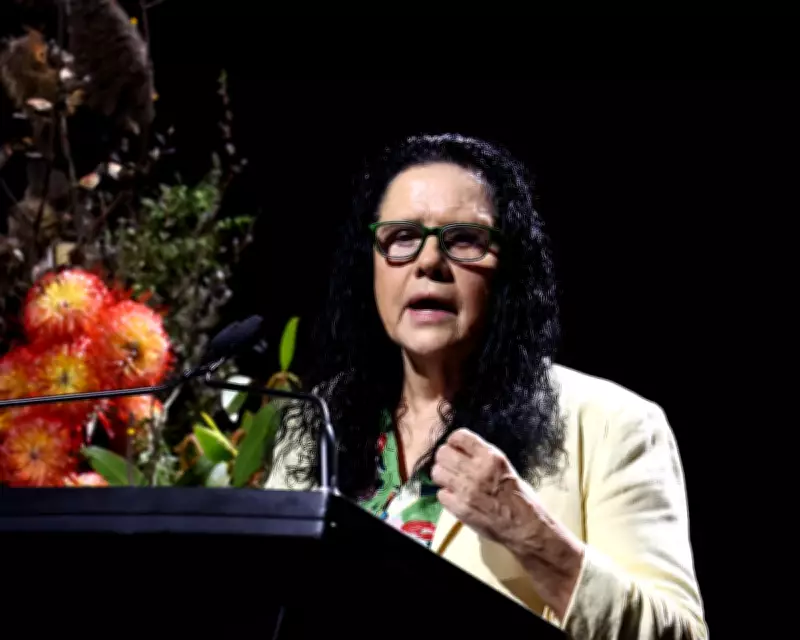
The organisation, named Our Ways Strong Together, will be led by incoming director Aunty Muriel Bamblett. She emphasises that the body will harness the lived experiences and expertise of First Nations women, men, and gender-diverse individuals to prevent violence and enhance systemic responses. "We have advocated for justice to say: you need to do better with policing. You need to do better with courts, with responses to our women, and to understand all of the policies, the murdered and missing women, the human rights violations. There's so much in this," Bamblett stated.

Our Ways Strong Together is designed to sit at the heart of a standalone First Nations plan, ensuring that strategies translate into tangible policy changes across policing, courts, housing, child protection, and frontline services, rather than remaining inactive on shelves.
A Holistic and Collaborative Approach
As an Aboriginal community-controlled organisation, it aims to work collaboratively with existing services, adopting a more holistic approach by partnering with housing, health, education, and youth peak bodies through the Coalition of Peaks. This coalition is responsible for redesigning and steering Closing the Gap policies, aiming to integrate efforts across sectors.
Bamblett pointed out that national attention on violence against First Nations women and children often depends on media coverage, describing it as being at the "whim" of the press. "We've had, tragically, a number of deaths recently … but it's very often hidden and we've got to be grown-up about the fact," she told Guardian Australia. "It's the scourge within our communities. We want to address it, but it's often siloed."
Improving Data Collection and Addressing Gaps
She expressed hope that the peak body will establish a more accurate understanding of the issue's scale through enhanced data collection, noting a particular silence around sexual violence and assaults. "We want some level of consistency about family violence, domestic and particularly sexual violence," she said. "[Current data] is very patchy and unclear. If we don't record it, we don't understand it. So there's significant pieces of work."
Recent data from the Australian Institute of Health and Welfare reveals that 67% of First Nations people aged 15 and over who experienced physical harm identified the perpetrator as a partner or family member, underscoring the pervasive nature of this violence.
Government Support and Funding Commitments
The Albanese government has backed this initiative as part of a $218.3 million funding commitment toward the national plan to reduce violence against First Nations women and children. Minister for Indigenous Australians, Malarndirri McCarthy, highlighted that the organisation will also aid in meeting Closing the Gap targets, which include halving rates of family violence against Aboriginal and Torres Strait Islander people by 2031.
"Our Ways Strong Together represents the community-controlled organisations and services who have been working to support survivors over many years," McCarthy said in a statement. "Strengthening the community-controlled sector is an important part of the National Agreement on Closing the Gap, as all governments work with communities to end family, domestic and sexual violence."

In Australia, support is available through the national family violence counselling service on 1800 737 732. First Nations Australians can contact 13YARN on 13 92 76 for crisis support. In the UK, the national domestic abuse helpline is 0808 2000 247, and in the US, the domestic violence hotline is 1-800-799-SAFE (7233). Other international resources can be found via www.befrienders.org.