
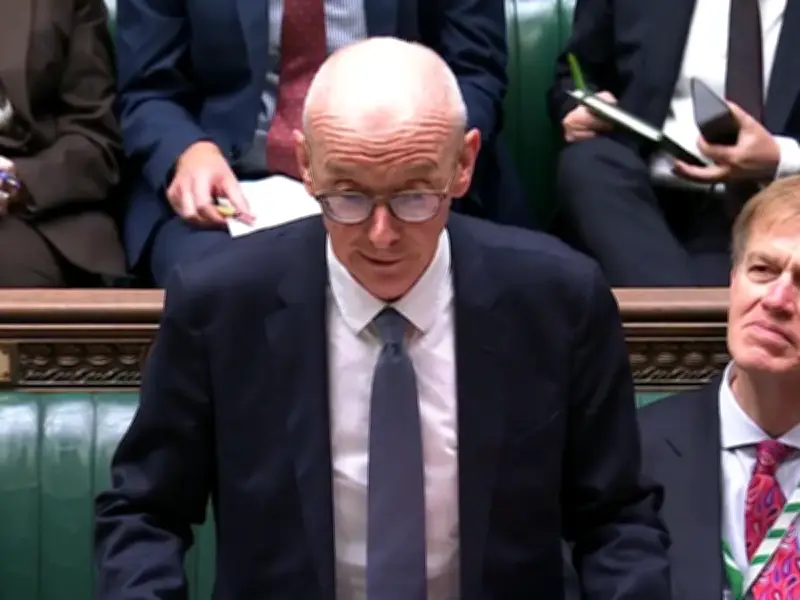
The Department for Work and Pensions has confirmed the expected boost to state pensions next year, with the full new state pension rising by £575. Secretary of State Pat McFadden gave MPs an update on the triple lock in the Commons this week.
Mr McFadden said the triple lock would remain in place for this Parliament, but explained how it would change afterwards. He told MPs: “In our 2024 manifesto, we said we would keep the triple lock for the duration of this Parliament—that is a promise that we will keep to pensioners. Keeping that promise means that this year the full new state pension is rising by £575. It is set to be over £2,000 a year more by the end of this Parliament compared with when we took office in 2024. That will take the new state pension to over 30% of average earnings by the end of the Parliament and it is forecast to be a record high.”
Triple lock changes from April 2030
Prime Minister Andy Burnham has announced plans to adjust the state pension triple lock starting in April 2030, replacing the current three-way metric with a two-way system to help fund a new National Care Service in England. The current triple lock means the rise will match whichever is highest: the rate of inflation, average earnings or 2.5%.
Mr McFadden said the change will “retain it’s current three elements”. He said: “From April 2030, the state pension will continue to go up by the highest of inflation, 2.5% or what is required to maintain its record high level against average earnings. That will lock in for the future all the gains from the triple lock up until April 2030.”
Reaction from the opposition
Shadow Secretary of State for Work and Pensions Helen Whately said Mr McFadden was “ditching the triple lock” and it would not pay for the national care service. She said: “The Prime Minister is desperate for cash to pay for his new national care service—that is why he is ditching the triple lock. Let’s not beat around the bush and say that it is some kind of adjustment—it is ditching the triple lock. To look at the numbers, the savings that the Secretary of State is hoping for will hardly touch the sides. Come the mid-2030s, a national care service is forecast to cost over £18 billion, versus potentially £4 billion a year in savings from the triple lock.”
“Those numbers are extremely uncertain; the care service could well cost more—demand tends to grow for something that is free—but scrapping the triple lock could save less. At the very least, Labour’s policy creates a £15 billion black hole in the public finances.”




