Covid Inquiry Delivers Stark Verdict on NHS Near-Collapse
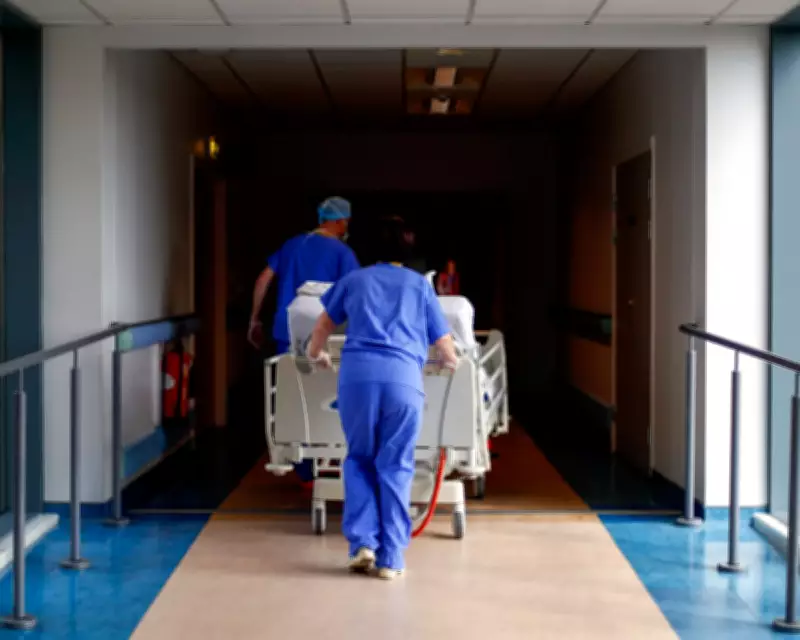
The UK Covid-19 inquiry has published its latest findings, focusing on the impact of the pandemic on the National Health Service, its staff, and patients. The report delivers a stark and unequivocal verdict: the NHS "teetered on the brink of collapse" and was only saved from disaster through the "almost superhuman efforts" of its frontline workers.
Bereaved Families and the Quest for Accountability
For bereaved families, the inquiry's language matters deeply. Heather Hallett, the inquiry chair, stated that healthcare systems "coped, but only just," directly rejecting claims made by Conservative ministers during the pandemic that the NHS had not been overwhelmed. Naomi Fulop, a healthcare academic and member of Covid-19 Bereaved Families for Justice UK, emphasized that the report vindicates long-standing concerns about systemic failures.
"We campaigned for the inquiry, so it is really important to us that it comes out with what's needed," Fulop explained. "Overall, we were pleased with those first two reports. We felt they vindicated what we've been saying for years, and gave a very good diagnosis of what went wrong."

The Human Cost of Systemic Strain
The inquiry highlights a healthcare system under extreme and unprecedented strain. Patients endured hours-long waits in ambulances, staff were stretched far beyond safe ratios, and critical equipment shortages were rampant. Hallett noted that "staff-to-patient ratios were diluted," forcing workers into "putting out fires rather than caring for the patient."
One of the most harrowing aspects detailed was the experience of separation at the end of life. "Many people were not able to be with their loved one when they died," Fulop said. "Some people had no communication at all, which is really terrible." The inquiry confirmed this, describing how family members were forced to say goodbye remotely, a "horrific experience" that compounded their grief.
Political Choices and Pre-Pandemic Vulnerabilities
The report concludes that the NHS entered the pandemic in a "precarious" state, plagued by staff shortages, low bed numbers, and high occupancy rates. Years of austerity had stripped the service of the resilience needed to face a major health crisis. Fulop argued this point is critical for future preparedness.
"The underlying issue about the NHS is that it was absolutely unprepared, in the sense that it did not have the capacity required to meet a pandemic," she stated. "The NHS is probably in a worse state now than it was in 2020 before the pandemic hit. So the recommendations from the inquiry need to point to strengthening the capacity and resilience of the NHS."
Key Findings and Recommendations
The inquiry's findings paint a clear picture of a system pushed to its absolute limits:
- Patients did not always receive timely care, with some diagnoses and treatments arriving too late to save lives.
- The "stay home, protect the NHS, save lives" message inadvertently deterred people from seeking help for life-threatening conditions.
- Four in five healthcare workers reported acting in ways that conflicted with their professional values, with some describing agonizing choices about which patients received care.
Despite these immense challenges, collapse was narrowly avoided. "Healthcare systems came close to collapse," Hallett said. "Collapse was only narrowly avoided thanks to the extraordinary efforts of all those working in healthcare across the UK."
The Path Forward: Urgent Reforms Needed
The inquiry sets out ten key recommendations, including increasing NHS capacity, improving infection control guidance, and strengthening support for healthcare workers. Hallett urged governments across the UK to implement these changes "as swiftly as possible," warning that "we cannot know when, but there will be another pandemic."
For bereaved families, the central question now shifts from what the inquiry says to what governments will do with its findings. "It does pay in the long term to be prepared for a national crisis," Fulop noted. "But it means a government needs to think long term, and many governments are not very good at that."

She acknowledged the current economic context but stressed that the cost of inaction would be far greater. The inquiry has laid bare the consequences of a healthcare system pushed to the brink. Whether political leaders will heed its warnings and act decisively before the next crisis remains the most pressing question of all.