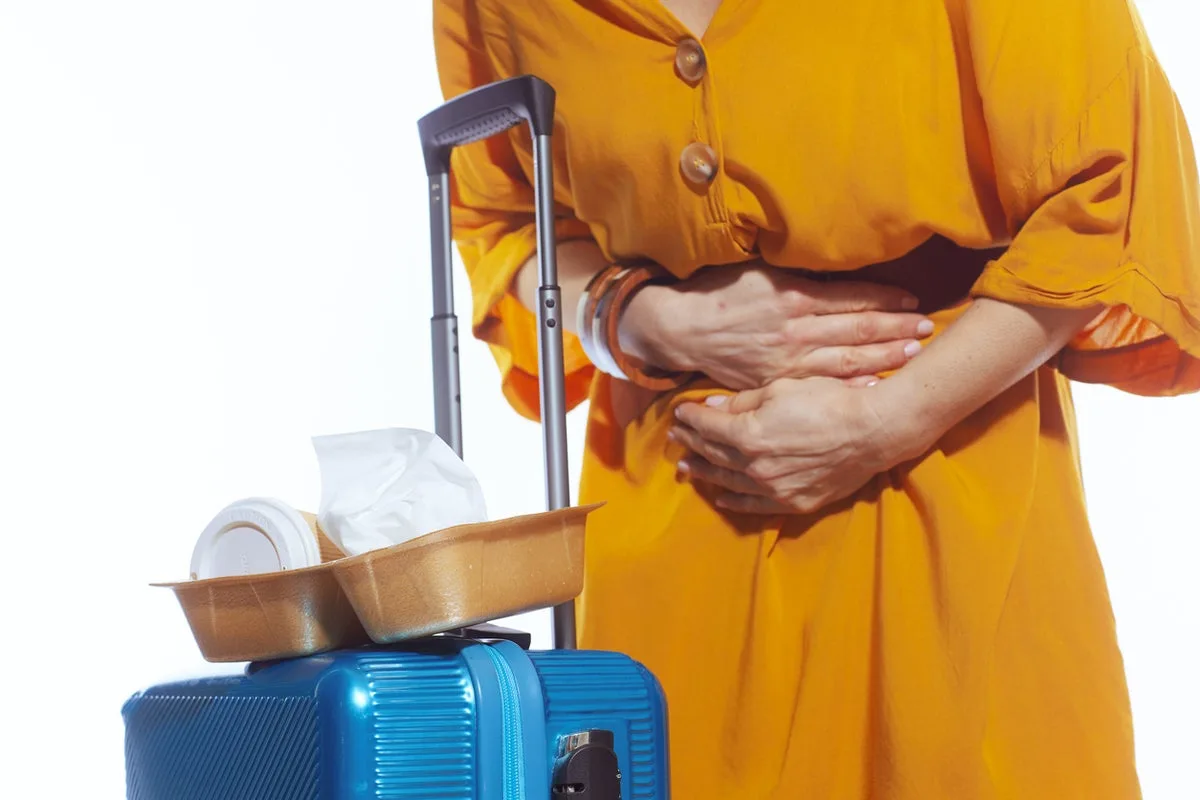
Common Medicine Cuts Traveler's Diarrhea Risk by 65 Percent, CDC Data Reveals
Common Medicine Cuts Traveler's Diarrhea Risk by 65%

Traveler's diarrhea is the most predictable vacation-related illness, according to the Centers for Disease Control and Prevention, with a staggering 30 to 70 percent of travelers experiencing it during a two-week trip, depending on destination and season. This common ailment can ruin holidays by confining sufferers to hotel rooms while others explore once-in-a-lifetime sights.

Pepto-Bismol's Proven Protection

One over-the-counter medication has demonstrated remarkable effectiveness in preventing this travel woe. The active ingredient in Pepto-Bismol, bismuth subsalicylate, has been shown in multiple clinical trials to reduce the risk of traveler's diarrhea by 65 percent. Boston-based physician Dr. Trisha Pasricha highlighted this finding in a recent Washington Post article, noting that many travelers likely already have this pink liquid in their medicine cabinets.

How It Works Against Pathogens

Traveler's diarrhea typically results from bacteria or viruses transmitted through contaminated food and water, with the CDC identifying poor hygiene in local restaurants as a major contributor. Dr. Pasricha explains that bismuth subsalicylate offers protection through its antibacterial and antiviral properties, helping shield travelers from these common pathogens.

Wide Pickt banner — collaborative shopping lists app for Telegram, phone mockup with grocery list

Critical Timing and Dosage Instructions

However, the doctor emphasizes that timing is crucial for maximum effectiveness. The medicine must be present in the body precisely when pathogens reach the small bowel. She recommends taking four doses daily, spaced every three to four hours, to maintain protective levels throughout potential exposure periods.

Important Safety Considerations

Dr. Pasricha issues specific warnings about bismuth subsalicylate usage. Travelers with kidney disease or gout should avoid this medication, as should those already taking daily aspirin. These precautions help prevent potential complications or adverse interactions.

Additional Travel Health Recommendations

Beyond medication, Dr. Pasricha offers supplementary advice for eating and drinking safely abroad. She suggests avoiding buffets where food sits exposed and declining ice in beverages, as it may be made from local tap water. These simple precautions can further reduce infection risks during international travel.

The combination of proper medication use and careful dietary choices provides travelers with powerful tools against this common vacation disruption, potentially saving countless trips from gastrointestinal distress.

Pickt after-article banner — collaborative shopping lists app with family illustration




