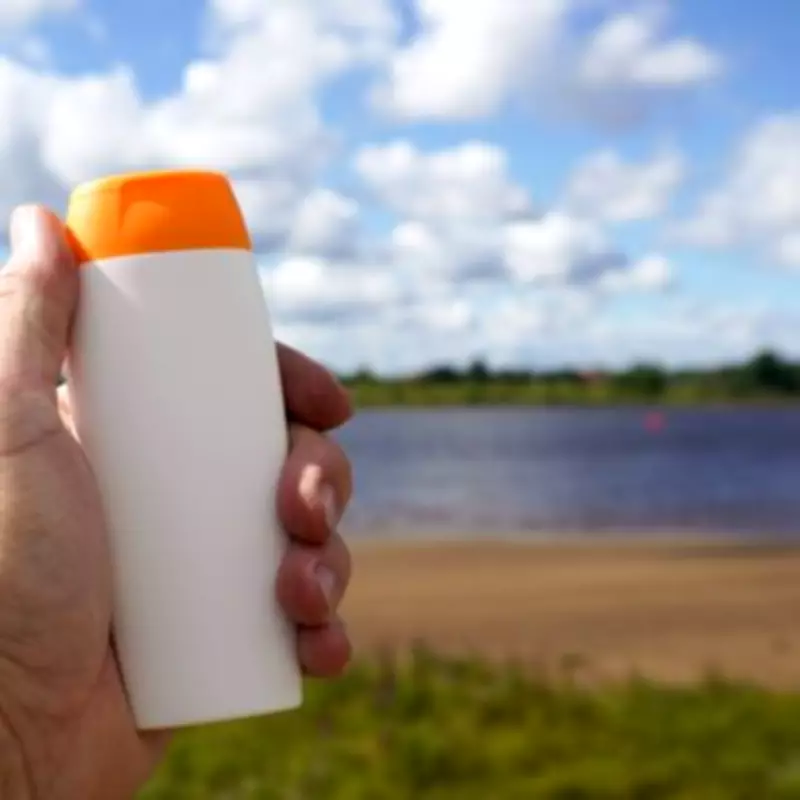
People across the UK are being urgently advised to inspect a common symbol found on the back of popular skincare products, particularly sunscreen, to prevent putting their long-term health "at risk" as spring transitions into summer. With weather forecasts predicting a shift from cold, wet conditions to warmer, sunnier days in the coming weeks, individuals are cautioned not to take chances with their skin protection.
The Critical Symbol You Must Not Overlook
As temperatures rise and sunlight intensifies over the next few months, the risk of skin damage from UV exposure increases significantly. While it might seem harmless to use an old bottle of sunscreen from the previous year, a specific symbol indicates how long the product remains effective after opening. This symbol, known as the Period After Opening (PAO), is crucial for ensuring sun protection works as intended.
What the PAO Symbol Means
Sharing essential guidance on the Which? Instagram account, an expert emphasised: "Heading out into the sun this summer? Then you cannot afford to ignore this symbol. The PAO jar symbol specifies how many months cosmetic products, like sunscreen, remain effective after being first opened. Since it's easy to forget, I always write the opening date with a marker pen on the side of the container. If it's past its use-by date, don't risk it. Purchase a fresh bottle instead."

Throughout the United Kingdom, most PAO markings typically range from six months to two years. To locate this information, check the product packaging for an icon resembling a small container with an open lid, as reported by the Express. This mark includes a number followed by the letter 'M', denoting months. For sun protection items, the duration can vary, making it vital to note when your sunscreen becomes ineffective.
Simple Methods to Track Expiry Dates
The easiest way to remember when your sun cream expires is to jot down the initial opening date directly on the bottle. Additionally, you can calculate the expiry date from that point and mark it as an extra precaution. Using out-of-date sunscreen can lead to reduced potency, leaving your skin vulnerable to sun damage you believed you were shielded against. This can result in immediate issues like sunburn, as well as long-term problems such as wrinkles, fine lines, weathered skin, and precancerous spots.
When to Apply Sunscreen for Maximum Protection
Despite many people applying sunscreen only when temperatures soar, it's not the heat that should be the focus. Specialists warn that even on cloudy days during early spring and autumn, UV levels can remain strong enough to cause harm. Experts from Cancer Research UK and the British Association of Dermatologists recommend adopting sun safety measures between March and October. These measures include applying sun cream and keeping a container handy for reapplication as needed.
Key Times for Sun Safety
These months correspond to when the UV Index can reach three or higher, a threshold at which people should take steps to protect themselves from damaging effects before they occur. The NHS supports this advice, highlighting that individuals need to exercise particular caution between 11am and 3pm. A spokesperson for the health service stated that Britons must "strike a balance" between safeguarding themselves from the sun and obtaining sufficient vitamin D from sunlight. They added: "Sunburn increases your risk of skin cancer. Sunburn does not just happen on holiday. You can burn in the UK, even when it's cloudy."
By heeding these warnings and checking the PAO symbol, you can ensure your sunscreen provides effective protection, reducing risks of skin damage and promoting overall skin health during the sunny seasons.