
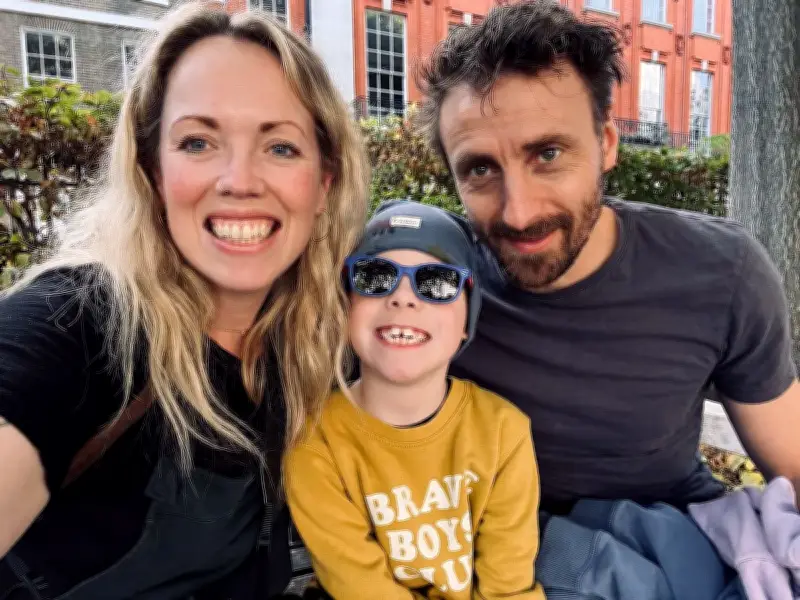
Families with seriously ill children should be helped with travel costs for appointments, a leading charity has warned. The government is set to roll out a £10million annual fund to cover travel expenses for youngsters with cancer, but experts from the Great Ormond Street Hospital (Gosh) charity are calling for the scheme to be extended to cover kids with other debilitating conditions.
Charity calls for wider scheme
The charity’s chief executive Louise Parkes said: "The Government's £10million commitment to help families travelling for cancer treatment is hugely welcome and follows years of tireless campaigning by the cancer community. But families of children with other rare, complex and life-threatening conditions can face exactly the same journeys and exactly the same financial pressure.
"When your child is seriously ill, getting them to the treatment they need isn't a choice – no parent should be worrying about whether they can afford the train fare or petrol to get their child to specialist care."
Family's £12,350 travel bill
Among those struggling is Laurie Grimwade, whose boy Woody, 12, has a rare autoimmune disease and had a bone marrow transplant in 2022. Laurie, from Plymouth, said: "We've spent £12,350 travelling to and from the hospital so far, and Woody will remain under Gosh until he is 18, so that number is only going to go up, we expect it could reach around £15,000 in total.
"It's had an impact on our whole family; we have two other children and being away from them for the bone marrow transplant was traumatic for my youngest especially. We've needed to find extra childcare and take time off work to travel for Woody's treatment so not only were we paying for travel, but we were sometimes also not earning a day's pay. When your child is seriously ill, there is no choice, you have to get them to the treatment they need, whether you can afford it or not."
Government fund and its limits
Each year London's Great Ormond Street sees around 81,500 children and young people with some of the most rare and complex conditions. And around half of patients travel from outside of London to access care. Earlier this year, the Government's National Cancer Plan committed £10 million for funding travel for families of children with a cancer diagnosis. The Gosh charity says extending the scheme to include other poorly youngsters would require an additional £40 million a year.
One-year-old Rory Potter was diagnosed with severe sagittal craniosynostosis - a condition where the skull fuses before birth which leads to the skull to be long from front to back but narrow from side to side - shortly after he was born in April 2025. He became the first in the world to be given a new type of treatment for the rare condition.
But the financial strain of travelling from Derbyshire to London for checkups is taking its toll. Rory’s mum Jo Potter, 36, said: "The cost of travelling to Gosh has had a massive impact on us. I was on maternity leave at the time, so everything is squeezed as it is.
"We came down on the train from Derbyshire, and so far our five visits have come to around £700 in train ticket costs. We would always look for the most cost-effective options, such as travelling later in the day and avoiding rush hour. To have a travel fund that is there for people who need it, it's fantastic to even consider it."
Support from Anthony Nolan
Yasmin Sheikh, head of policy and public affairs at stem cell charity Anthony Nolan, said: "The travel fund promised in the National Cancer Plan is a welcome step forward, but it excludes people receiving potentially lifesaving treatments like stem cell transplants, simply because they don't have cancer.
"Patients who receive cell therapies for other rare conditions such as blood disorders, are just as affected financially by the long distances to access treatment and time out of work. We are joining Gosh Charity in calling for the fund to be extended to patients across all disease types, so that no one is prevented from accessing treatment because of the cost of getting there."
The government was approached for comment.




