CDC Temporarily Halts Testing for Multiple Infectious Diseases Amid Staffing Crisis
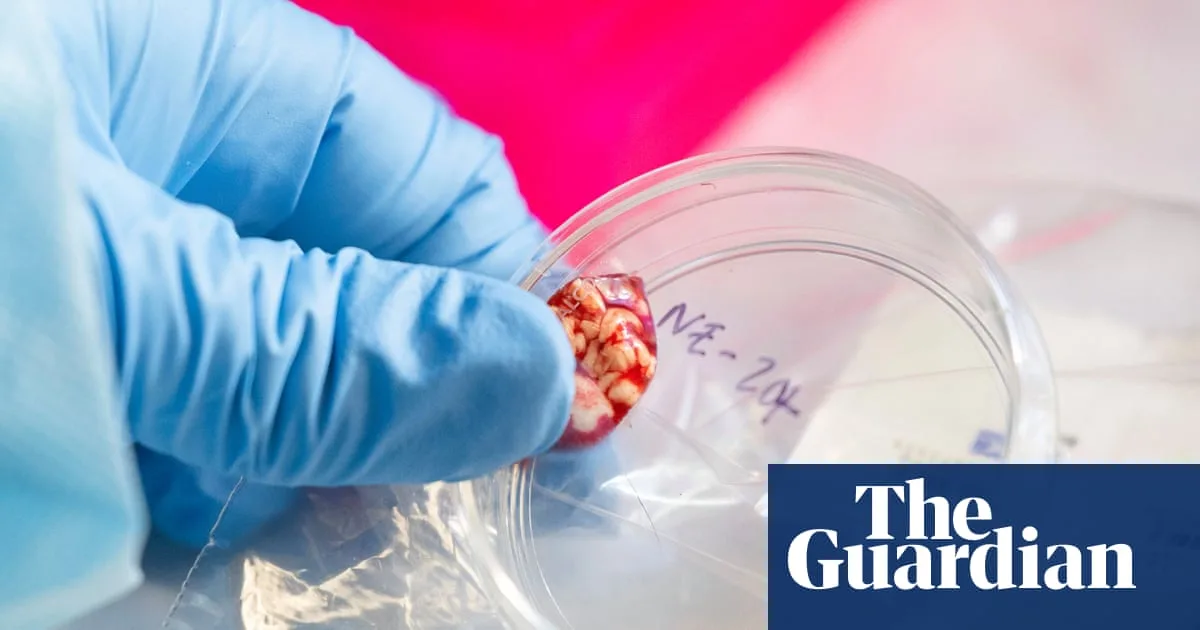
The US Centers for Disease Control and Prevention (CDC) has announced a temporary suspension of diagnostic testing for more than two dozen infectious diseases, including rabies, human herpesvirus, and several other pathogens. This move comes as the federal agency grapples with severe staffing shortages driven by layoffs, retirements, and resignations, which have hobbled its ability to support state and local public health laboratories.
Testing Services Paused Across Key Areas
In a list released on Monday, the CDC indicated that over 25 types of testing are currently unavailable. These include tests for relatively common infections, such as the Epstein-Barr virus and the varicella zoster virus, which causes chickenpox and shingles. However, the suspension also affects testing for less common organisms, including parasitic worms linked to "snail fever" and the virus responsible for "sloth fever." The CDC normally conducts these tests to assist state and local labs that lack the necessary capabilities, making this pause a significant blow to public health monitoring nationwide.
Staffing Reductions Cripple Critical Units
A combination of layoffs, hiring freezes, and staff departures has drastically reduced the number of experienced scientists at the CDC. By July, the rabies team will have only one expert capable of providing clinical guidance to state and local officials, while the poxvirus team will have none, according to reports from the New York Times. The poxvirus and rabies units have each lost roughly half of their staff, and the CDC's malaria division has been cut even more severely, as noted by the National Public Health Coalition, a group formed after the downsizing.
Estimates from the Associated Press suggest that total staffing at the CDC has dropped by 20% to 25% over the past year, driven by workforce reductions that included the expiration of temporary roles. This follows a period of upheaval last year when more than a thousand employees received notice from the Trump administration that they were losing their jobs, a move that erased entire offices within the agency. Although hundreds of employees were later offered their positions back, the damage to institutional knowledge and operational capacity has been profound.
CDC Statement and Alternative Arrangements
In a statement shared with the Guardian, a CDC spokesperson said, "Several infectious disease tests are temporarily paused as CDC evaluates these assays as part of our routine review to uphold our commitment to high quality laboratory testing. CDC maintains regular communication with state and local health departments and can assist in coordinating testing through alternative laboratories if needed." The spokesperson added, "We anticipate some of these tests will be available through CDC labs again in the coming weeks. In the meantime, CDC stands ready to support our state and local partners to access the public health testing they need."
Broader Implications for Public Health
The suspension of these lab services coincides with broader disruptions in US public health infrastructure. In June, the Department of Health and Human Services (HHS) secretary, Robert F Kennedy Jr, controversially hand-picked new members of the advisory committee on immunization practices (ACIP) after firing all the previous members. Those appointments were later stayed after a federal judge ruled that the move probably violated federal law. As a result, the US now has no functioning advisory committee, and several key vaccines are no longer recommended, including the latest version of the flu and Covid shots and the inclusion of the RSV shot for infants in the federal Vaccines for Children program, which covers immunizations for more than half of US children.
This series of events highlights the ongoing challenges facing the CDC and the wider public health system, as staffing shortages and political interventions threaten the agency's ability to respond effectively to infectious disease threats. The temporary halt in testing underscores the urgent need for stable funding and workforce support to ensure that critical public health functions can be maintained without interruption.