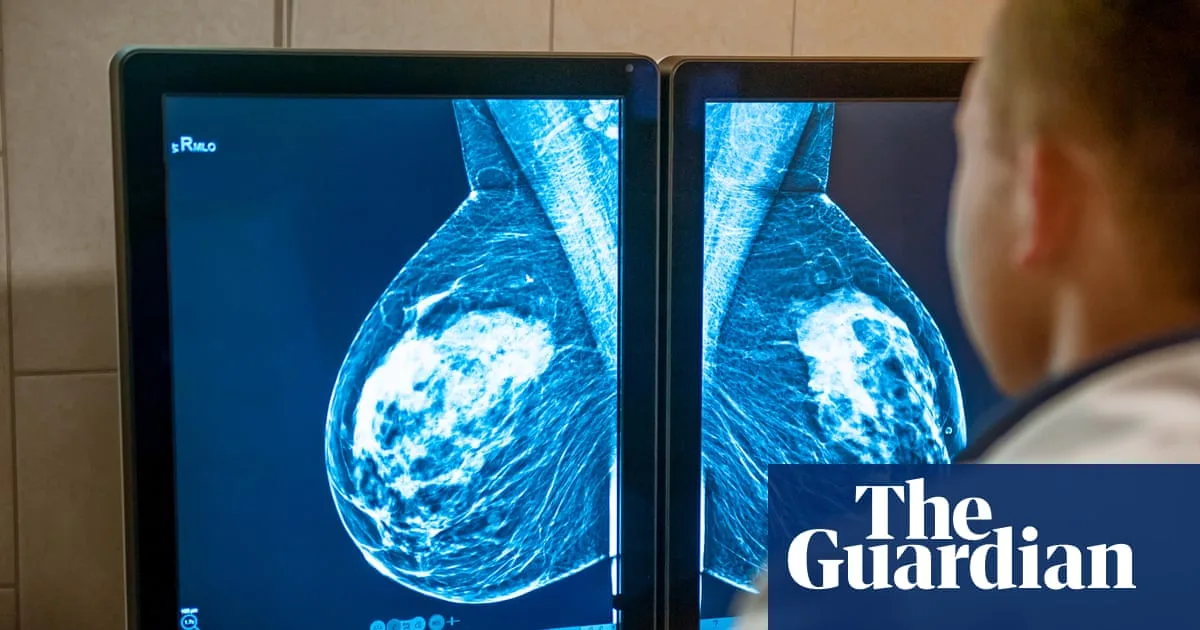
The National Institute for Health and Care Excellence (Nice) has approved capivasertib, a twice-daily pill for advanced breast cancer, for use on the NHS in England and Wales. The decision reverses an earlier rejection and will benefit up to 3,000 women each year with hormone receptor (HR)-positive HER2-negative breast cancer that has specific genetic mutations and spread.
Capivasertib, also known as Truqap and made by AstraZeneca, blocks an abnormal protein molecule AKT that drives cancer cell multiplication. Clinical trials showed that when combined with the hormone therapy fulvestrant, it increased the time before cancer progression by about 4.2 months compared to placebo plus fulvestrant.
Claire Rowney, chief executive of Breast Cancer Now, welcomed the approval but criticised the initial rejection, which she said caused treatment delays. She urged NHS England to implement prompt genetic testing to ensure eligible patients receive the drug without further delay, and called on the Scottish Medicines Consortium to consider the treatment swiftly.
Professor Nicholas Turner from the Institute of Cancer Research (ICR) and the Royal Marsden NHS Foundation Trust, who led a key trial, said the approval means thousands of NHS patients with advanced breast cancer and specific biomarkers can now receive this targeted treatment. Professor Paul Workman, former ICR chief executive, described it as a 'landmark moment' after decades of research.
Helen Knight, director of medicines evaluation at Nice, acknowledged the devastating impact of advanced breast cancer and expressed satisfaction that AstraZeneca worked with Nice to recommend the treatment as a good use of NHS resources.