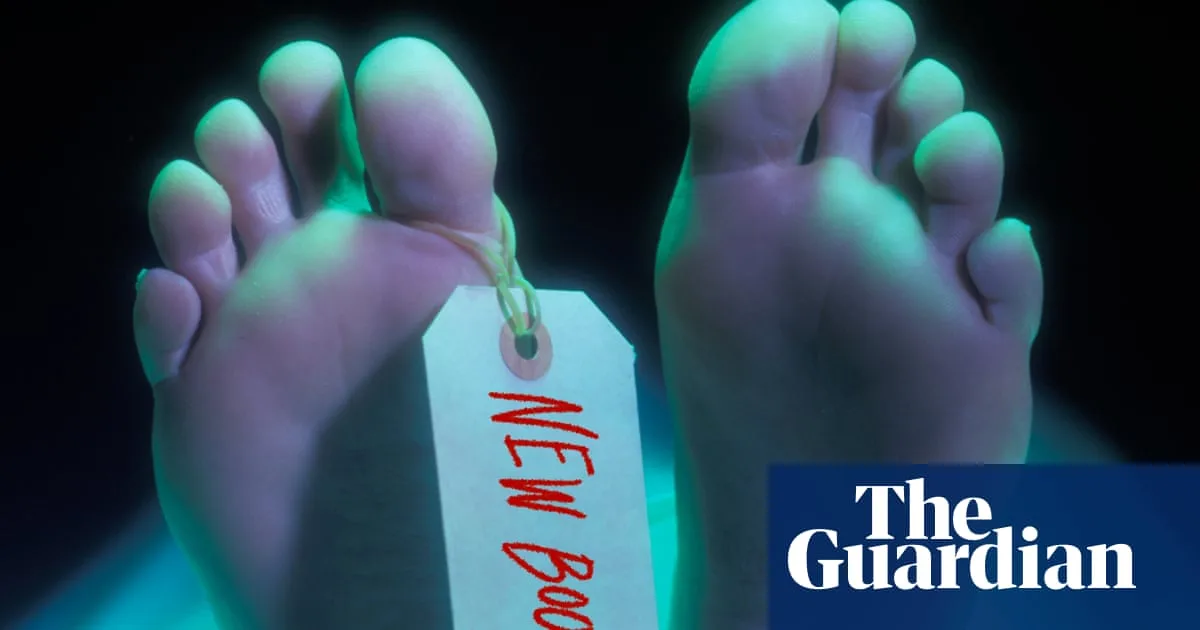
Cadaver Fat Injections: The Rise of 'Zombie Filler' Alloclae in Cosmetic Surgery
In the world of cosmetic enhancements, a new trend is emerging that uses fat harvested from corpses, sterilised, and rebranded as Alloclae. This 'zombie filler' is being marketed as a minimally invasive solution for those seeking to augment areas like pecs, breasts, and buttocks without using their own body fat.
The Clinic and Its Offerings
Alpha Male Plastic Surgery, located in a prestigious residential block at 655 Park Avenue on Manhattan's Upper East Side, is at the forefront of this innovation. The clinic caters to modern men with procedures ranging from facelifts to non-surgical penile implants. Recently, Alloclae has been added to their menu, offering a state-of-the-art alternative to traditional autologous fat transfers.
Dr Douglas Steinbrech, the surgeon at Alpha Male, describes Alloclae as a gamechanger. "They don't need surgery. They don't need general anesthesia. They don't have recovery, and the pain from all that," he explains. The product is particularly appealing to patients who lack sufficient body fat for liposuction or prefer not to undergo such procedures.
Patient Experiences and Trends
Since early 2025, Alloclae has gained popularity, especially among women seeking breast or butt augmentation. However, men are increasingly interested, driven by heightened body standards from media and online trends like "looksmaxxing". A 68-year-old patient at Alpha Male, described as a "one-percenter" in fitness, recently underwent an Alloclae procedure to enhance his pectorals, aiming for a more muscular appearance without surgery.
Another patient, Samantha, 28, turned to Alloclae after using GLP-1 weight-loss drugs like Ozempic led to loose skin and contour changes. Initially wary of cadaveric fat, she was reassured by her doctor, Dr Sachin Shridharani of Luxurgery clinic, about its safety and purification process.
Safety and Ethical Considerations
Alloclae is FDA compliant, though not FDA approved, as human fat tissue is considered an existing product. The purification process removes donor DNA to prevent immune rejection, making it versatile for injection anywhere fat naturally exists. However, concerns persist about long-term safety and potential complications, such as interference with cancer screenings in breast procedures.
Ethically, the use of cadaver tissue for cosmetic purposes raises questions. Standard donor forms often include fat under "bone and associated tissue" without specific consent for aesthetic uses. Marc Pearce of the American Association of Tissue Banks notes that donors have no control over how their tissues are repurposed.
Broader Applications and Costs
Beyond vanity procedures, Alloclae shows promise for medical uses, such as reconstructing breasts post-mastectomy or treating injuries from accidents. Dr Aneesh Gupta highlights potential in gender-affirming surgeries, though high costs remain a barrier. At Alpha Male, 25cc of Alloclae can cost up to $5,000, with more extensive procedures reaching $100,000 for the fat alone.
Despite its eerie origins, Alloclae is compared to other accepted medical practices, like using porcine heart valves or cadaver bones in surgeries. As Dr Shridharani notes, "There's always going to be more stigma when something first comes out that's very avant garde." For patients, the focus is on results, with one anonymous woman praising the "instant contour and instant gratification" it provides.
As this trend grows, the cosmetic surgery industry must balance innovation with rigorous safety standards and ethical transparency to address both patient desires and public concerns.






