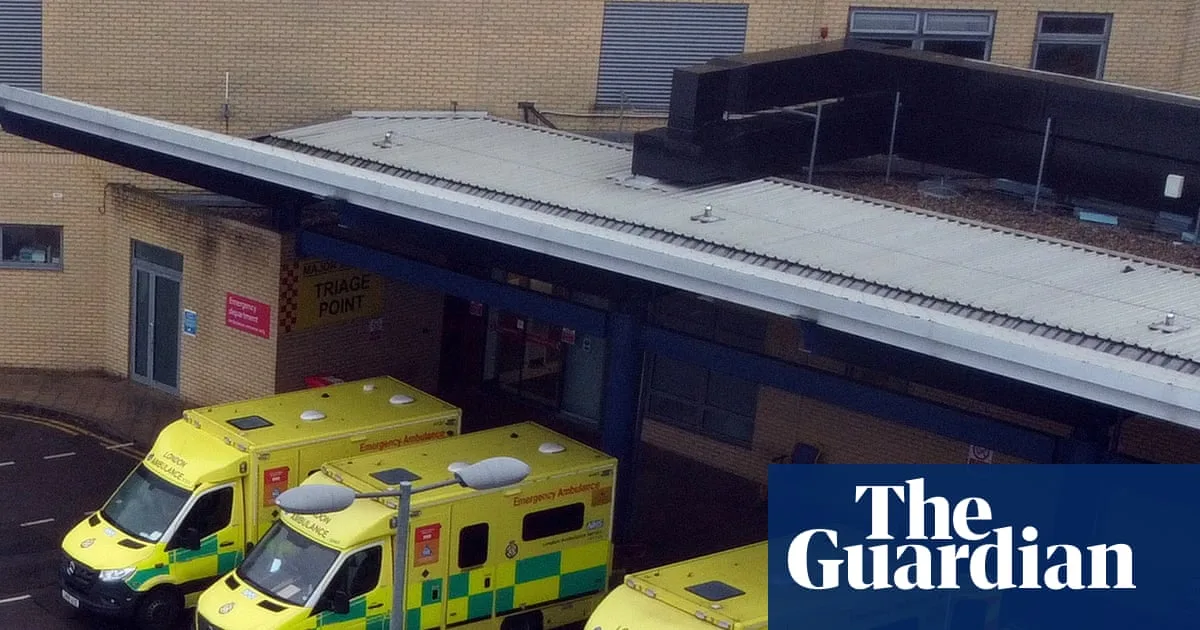
The family of a girl who suffered brain damage at birth has been awarded £28 million in an out-of-court settlement after an NHS trust admitted negligence. Barking, Havering and Redbridge University Hospitals NHS Trust acknowledged an error in the delivery of the girl, who suffered severe hypoxia-ischaemia.
Lifelong care needs
Lawyers for the family, who brought legal action at the High Court, said the girl, now of primary school age, will need lifelong care to alleviate her cognitive and language impairments. She requires constant supervision as she has no danger awareness and is over-friendly with strangers. She also has epilepsy with unpredictable seizures and is predicted to lose mobility throughout her life, with a life expectancy of around 83 years.
Finding joy in music
Despite her difficulties, she is finding joy through music therapy and is particularly fond of the piano and drums, which has boosted her confidence and communication abilities, the lawyers said.
Mother's anguish
Her mother said: 'My daughter is thriving and doing well but it's impossible for me to forget that I was robbed of the precious experience of most mothers giving birth by the horror of what happened to us. Years on, I'm still deeply affected by seeing the hospital's name crop up in the press regarding tragedies for other families and their babies. This is despite the repeated promises of the Government and endless reviews into maternity safety. Surely someone must take the bull by the horns and take action to change things.'
The incident occurred at Queens Hospital in Romford.
Settlement details
The order, approved by Deputy Judge Christopher Kennedy, says the trust must pay a lump sum of £8 million, followed by an annual sum of £225,000 for 10 years, with further annual payments of £335,000 after that.
Government response
Health Secretary James Murray said on Monday that recommendations for NHS maternity services must not sit 'on shelves' and that the reforms must be 'comprehensive'. He told the BBC he has been meeting families whose babies died, which 'brings it home in the strongest possible sense, how human and how devastating this can be, and how important it is that we change'.
Legal perspective
Jane Weakley from Fieldfisher, who represented the family in the negligence claim, said: 'Too many times the medical negligence team at Fieldfisher takes on cases where the same terrible mistakes are repeated, bringing untold tragedy. We fully support the NHS and appeal to the Government to please fulfil their promise to make maternity care safe for mothers and babies.'
Trust apology and reforms
Nic Kane, chief nurse at Barking, Havering and Redbridge University Hospitals NHS Trust, said: 'We're extremely sorry the care this child and their family experienced was not good enough. We'd like to reassure them, and all our expectant mothers, that since this birth...we've learned lessons, made significant changes, and our maternity department has been rated good by the Care Quality Commission.'
The improvements include more obstetric and midwifery staff in triage to ensure women are reviewed and concerns escalated quicker, more robust training on CTG monitoring – used to monitor the baby's heart rate and mother's contractions – and we are part of a national programme, run by the Royal College of Obstetricians and Gynaecologists, which focuses on reducing the risk of avoidable harm in childbirth.






