Bowel Cancer Screening Crisis: 29% Skip Tests in England, Charity Warns
Nearly a third of eligible individuals in England are failing to complete their bowel cancer screening tests, according to a stark warning from a leading cancer charity. This alarming gap risks thousands of missed diagnoses and preventable deaths, as early detection is crucial for successful treatment.
The Screening Programme and Its Importance
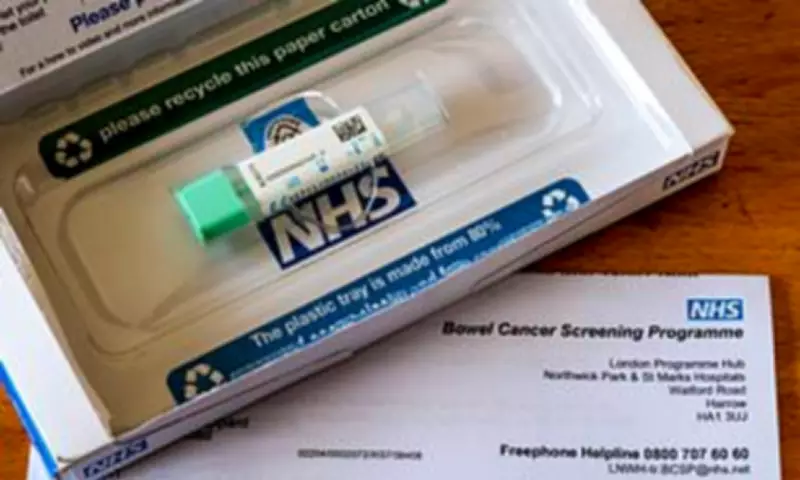
Since 2019, adults aged 50 to 74 in England have been sent a home testing kit as part of an NHS initiative aimed at diagnosing bowel cancer earlier, when it is far more treatable. The faecal immunochemical test (FIT) checks for minuscule traces of blood in a stool sample, which can serve as an early warning sign of the disease. Once returned by post, results are typically available within two weeks.
If no blood is detected, no further action is required, and patients are invited to repeat the test every two years. However, if blood is found, individuals are usually referred for a colonoscopy to investigate further. Bowel cancer is the UK's fourth most common cancer, but screening is one of the most effective methods for spotting the disease early or removing polyps that might develop into cancer.

Uptake Disparities Across England
Bowel Cancer UK analysed the latest data from NHS integrated care boards (ICBs) and discovered that the average uptake across England stands at just 71 per cent. This means that 29 per cent of those eligible do not complete the test, posing a significant public health risk. The charity emphasised that this gap increases the likelihood of cancers being detected at a later, less treatable stage.
NHS Devon ICB recorded the highest participation rate at 76 per cent, which is above the national average. In stark contrast, NHS North West London ICB had the lowest uptake at merely 56 per cent, prompting urgent calls for action to boost engagement. All ICBs across Greater London fell below the national average, highlighting regional disparities in screening participation.
Expert Insights and Historical Context
Genevieve Edwards, chief executive of Bowel Cancer UK, stated: 'While there's been great work to date when it comes to people taking part in bowel cancer screening, these figures show that there's still room to improve screening uptake even further. The earlier bowel cancer is found, the more treatable it's likely to be, with more than nine in 10 people surviving the disease when diagnosed at the earliest stage.'
Screening for bowel cancer was first introduced in England in 2006, with the current FIT test replacing the older guaiac-based faecal occult blood test (gFOBt) due to its superior accuracy in detecting tiny traces of blood. Approximately 17,700 people die from bowel cancer in the UK each year, making it the second biggest cancer killer.
Symptoms and Risk Factors
The NHS outlines that symptoms can include changes in bowel habits, such as persistent diarrhoea, looser stools, or constipation, as well as blood in the stool or bleeding from the bottom. Other warning signs encompass stomach pain, a lump in the abdomen, bloating, or unexplained weight loss. Feeling unusually tired or short of breath can also indicate anaemia, which may be caused by the disease.
Risk increases with age, particularly over 50, and is also higher in people who smoke or are overweight. Experts advise that the risk can be reduced by adopting a healthy diet rich in fibre, including fruits, vegetables, and wholegrains, staying physically active, cutting back on alcohol, stopping smoking, and limiting red and processed meat. These measures help protect the bowel by reducing inflammation, improving gut function, and limiting exposure to compounds linked to cancer development.