

BBC Expert Warns: Confusing Fridge Dial Could Cause Food Poisoning
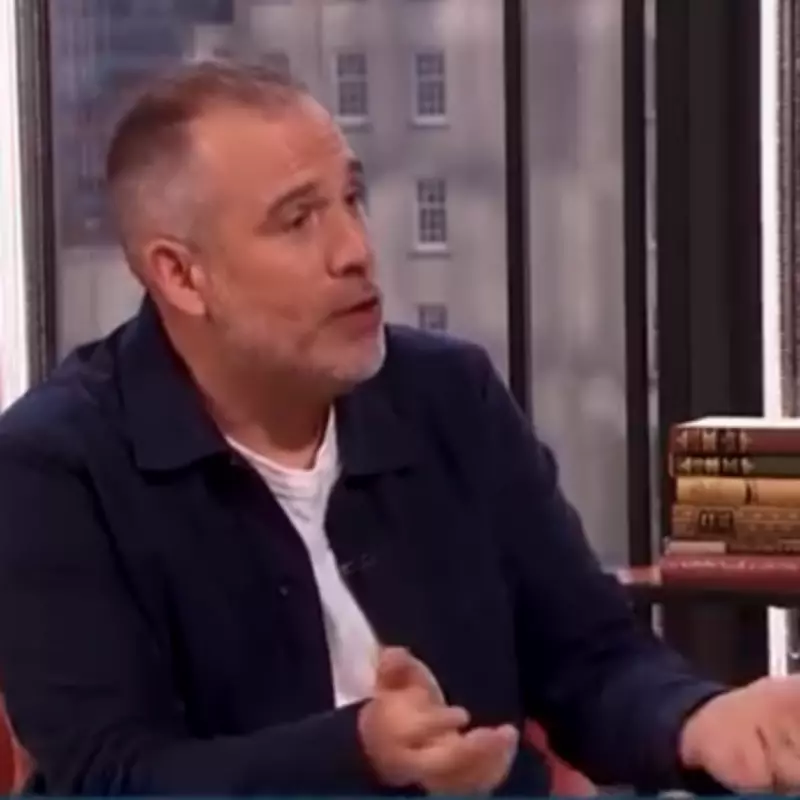
Dr Xand van Tulleken, appearing on BBC Morning Live, has issued a stark warning about household refrigerators, stating that a confusing dial control could potentially make individuals very ill. The medical expert emphasized that improper fridge settings can lead to dangerous bacterial blooms, contributing to millions of food poisoning cases annually in the UK.
The Bacterial Multiplication Problem
Dr van Tulleken explained the fundamental science behind refrigeration: "The fridge entirely runs on the idea that bacteria don't multiply quickly when they're kept cool." He provided a chilling illustration of bacterial growth, noting that at room temperature, a single bacterium can multiply to half a million within hours and reach billions by bedtime.
"We all kind of treat them quite casually," he said of refrigerators. "It's a very inert appliance. We don't spend a lot of time thinking about them, but it may be making us sick." The doctor highlighted that UK food poisoning incidents cause preventable deaths, significant work loss, and particular suffering for vulnerable populations.

The Confusing Dial Dilemma
Dr van Tulleken admitted even his own refrigerator baffled him, featuring a dial that actually controlled power rather than temperature. "If I left it on a lower setting, it wasn't cold enough," he revealed. This common misunderstanding prevents proper cooling, allowing pathogens like salmonella, E. coli, and listeria to thrive.
He recommended using a fridge thermometer for accurate temperature monitoring, especially for households with vulnerable members or unpredictable schedules. "They're not expensive. This one was only a few quid," he noted, advising that refrigerators should maintain temperatures of 4°C or less to effectively slow bacterial multiplication.
Proper Food Placement Guidelines
The expert endorsed BBC Masterchef's Anna Haugh's refrigerator organization advice, which his mother had long advocated:
- Top shelf: Items that don't spoil easily like cakes and pastries
- Middle shelf: Milk (controversially not in the door for slow users)
- Lower meat shelf: The coldest area for meat, fish, and shellfish
Dr van Tulleken emphasized that meat presents the greatest danger, with chicken being particularly hazardous. He cautioned against the "sniff test" for milk, noting that dangerous bacteria can persist even when milk smells acceptable.
Defrosting Dangers Debunked
The doctor strongly condemned the common practice of defrosting food outside the refrigerator, calling it "completely incorrect" and urging people to "disregard it entirely." He explained that while food interiors remain frozen, exteriors reach room temperature, creating ideal bacterial breeding conditions.
"The best way to defrost food is in the fridge by a very, very long way," he asserted, acknowledging the planning required for this slower but safer method. "It's the only safe thing to do," he concluded, urging viewers to prioritize food safety over convenience.






