
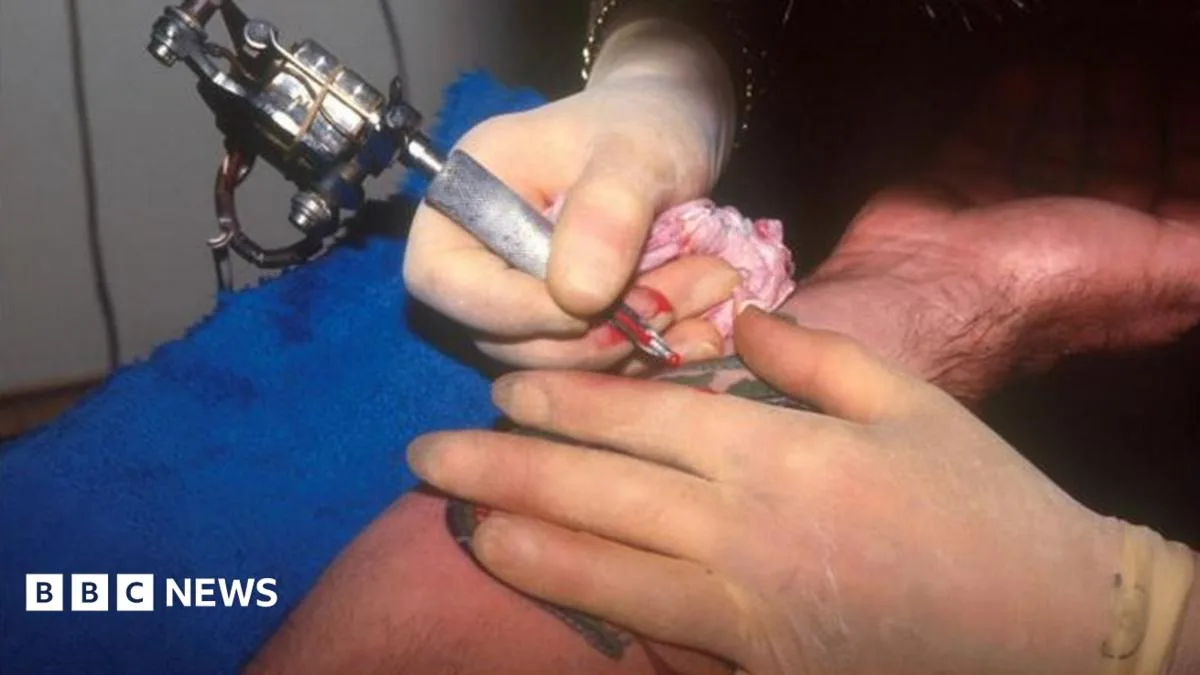
Unlicensed tattoo parlours operating in homes, garden sheds, and pubs are putting customers at risk of HIV and hepatitis, the Local Government Association (LGA) has warned. The LGA said such operators are more likely to use substandard equipment and inadequate sterilisation techniques, and often fail to check a person's age or medical history.
Mehboob Khan, chairman of the LGA's Safer and Stronger Communities Board, said: 'Unlicensed tattooists and parlours continue to operate across the country in an unscrupulous bid to cash in on the growing popularity of body art. People looking for a cheap tattoo by using them run the real danger of picking up a serious infection such as hepatitis or HIV or permanent scarring.'
The LGA urged customers to use registered tattooists and report illegal operators to local authorities. Tattoo artist Kevin Paul told the BBC of a case where a woman nearly lost her foot after an unlicensed tattooist went too deep, causing a severe infection that was dismissed as normal.
There are more than 1,500 licensed tattoo parlours in the UK, with nearly three in ten people aged 25 to 34 having at least one tattoo. Unlicensed tattooists face up to two years in prison and unlimited fines, and councils can seize their equipment under the Health and Safety at Work Act.




