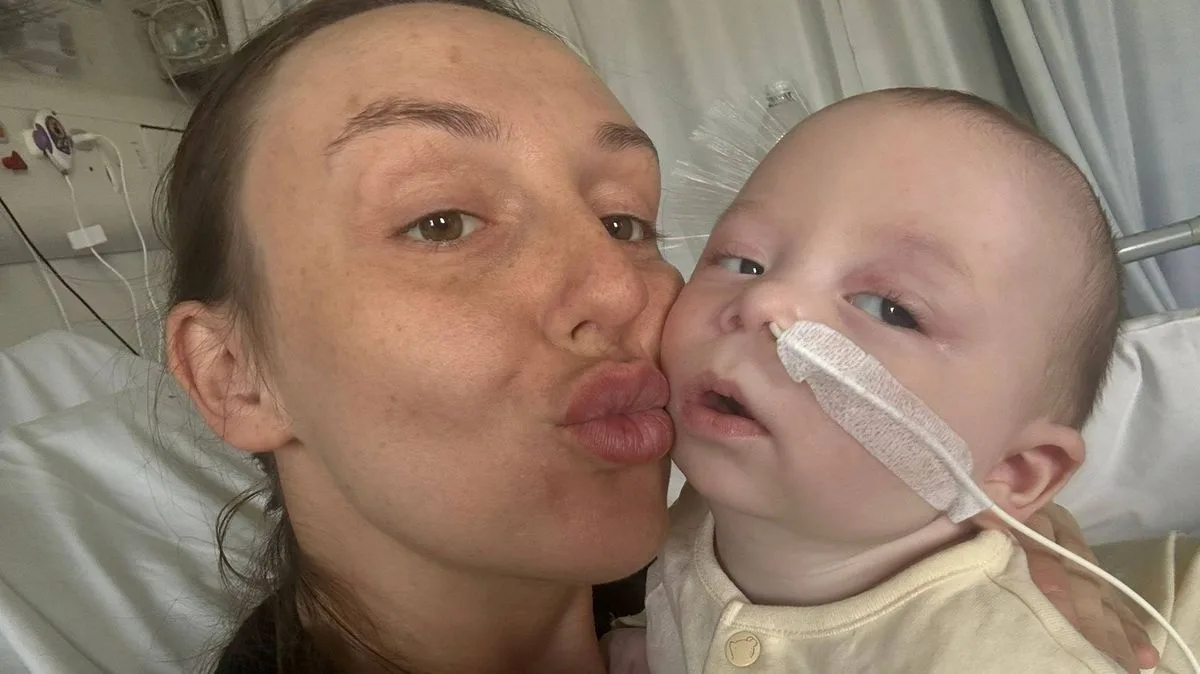
A baby who stopped smiling has been diagnosed with a devastating, rare disease that doctors initially thought was reflux. The inherited condition attacks the nervous system and affects approximately one in 100,000 people globally, with baby Otto currently being the only known case in the UK.
Diagnosis and Symptoms
Otto Sparkes, now four months old, was diagnosed with Krabbe leukodystrophy in May 2026. Doctors originally attributed his symptoms to standard reflux and colic until he underwent a lumbar puncture and extensive blood testing, which ultimately led to his diagnosis.
His parents, Ella Burton, 27, and Keiron Sparkes, 30, noticed their son was jolting from birth, but early genetic tests came back clear. His condition deteriorated at two months old, with symptoms including persistent crying, difficulty feeding, vomiting, and eventually losing his smile.
Parents' Heartbreak
The couple have since been told their son has just 13 months to live and remains the only known case in the UK. Ella, who works in the discharge sector of Yorkshire Ambulance and is from Hull, said: "I knew there was a problem from birth. Everybody passed it off as colic and reflux, as he was really unsettled all the time."
Doctors thought it was a cow's milk allergy because he was vomiting a lot, so they tried seven different types of milk. But then he started having jolting, jerking episodes in his sleep – she was told it was a startled-baby reflex. Then, after three months, he stopped smiling.
The 27-year-old mother said she grew increasingly worried as the condition worsened, with Otto "becoming more and more stiff." She added: "His limbs locked out and weren't moving, and he wasn't playing with toys – that's when I knew something really wasn't right."
Understanding Krabbe Disease
Ella and Keiron, a finishing operative, experienced a trouble-free pregnancy but sensed something was wrong straight after birth. From Otto's first few days and weeks, he displayed a curved posture, a lack of smiling, an excessive startle reflex, and his thumbs stuck in his palms.
Krabbe disease strips away the protective coating from nerves, causing the brain to lose its ability to communicate with the body. This leads to progressive muscle stiffness, loss of motor skills, and sensory problems.
Ella said: "[Otto] stopped smiling in March, and didn't for a month straight. He smiled once in Leeds, and I thought he must be getting better, but he's not done so since, for another month now."
"The thumbs fixated on the palm are specific to the disease, and I noticed that at four months. It was a big red flag for the doctors."
No Cure, Only Hope
After being referred to Hull Royal Hospital and Leeds Neurology, they discovered their son had the rare disease and that there was no cure. Ella said: "Otto means the absolute world to us, he's our rainbow baby. I thought it'd be something common and manageable, like cerebral palsy or MS, but it's incurable, fatal."
"I just remember the room spinning. Everything went really muffled, I just felt ill. We were in bits, on the floor, crying."
"I'd have loved for them to pick it up earlier, but it is so rare, so we can appreciate they're not going to know. He only got diagnosed through the blood database. We were expecting a normal life. To come to terms with the fact you'll never hear him speak, achieve his goals is just dreadful."
Only Known Case in the UK
Ella reached out to Alex TLC – a Krabbe disease charity – and was told Otto is currently the only known case in the entire country. The condition occurs when both parents carry a certain gene, meaning there is a one in four chance that any future child they have could also be born with Krabbe disease.
The couple are now looking into IVF treatment as a potential "silver lining." The condition can be detected during pregnancy, giving mothers the choice to terminate or begin stem cell treatment within the baby's first four weeks, which can extend life expectancy.
Making the Most of Time
The family have set up a JustGiving page to raise funds for special trips, aiming to make the most of Otto's life before the highly aggressive disease takes too great a toll. Otto will soon lose both his sight and hearing, and Ella said he has already started having difficulty feeding.
The condition is understood to have three stages, with Otto currently at stage two. This means a loss of mobility, motor control, loss of learned skills, and the loss of his smile are all on the horizon. The disease ultimately proves fatal once respiratory function begins to decline.
As a result, Ella and Keiron are determined to take him to the beach and to Disneyland in America, rather than "just sitting and waiting for the inevitable to happen." Their friends and family are also raising money with a charity rugby game and a 215-mile run.






