Midwives in Africa Describe Life-Saving Need for Clean Water in Clinics
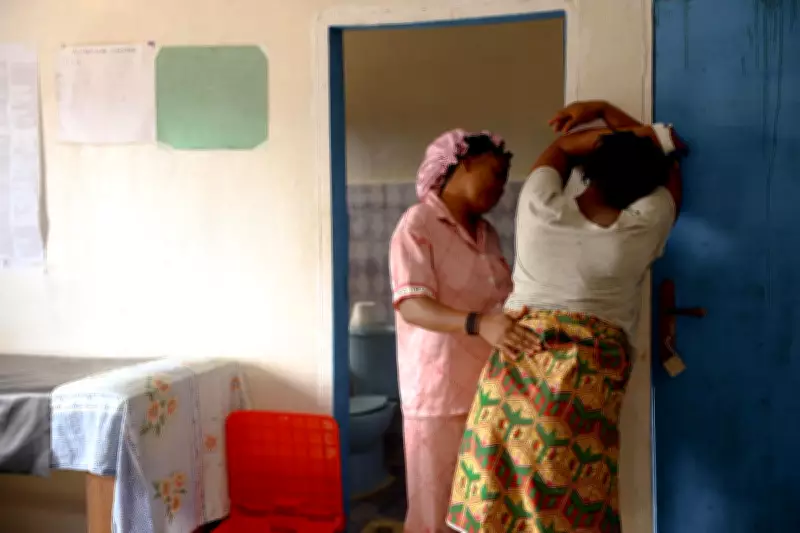
In maternity wards across sub-Saharan Africa, the first task for a midwife when a woman enters labour is often not to check vital signs but to fetch water from a distant pond. This critical delay can leave mothers unattended during childbirth, risking fatal complications like haemorrhage or sepsis.
A Race Against Time in Liberia
Shanette Khauala, a midwife at Diah Clinic in Liberia, explains the dire consequences. "If a patient arrives in active labour, the time I spend searching for water means she might deliver without my attention," she says. "This could cause significant harm or even lead to the mother bleeding to death." Shanette has worked at the clinic for three years, where the absence of running water compromises every step of care.
WaterAid Research Reveals Alarming Statistics
New research from WaterAid underscores the scale of this crisis. In sub-Saharan Africa, women who develop maternal sepsis are 144 times more likely to die compared to those in Britain, Europe, and North America. A survey across ten countries found that:

- 78% of maternity wards lack functioning toilets.
- 66% have no clean water and soap for handwashing.
- 65% lack proper cleaning provisions.
With three in four women on the continent giving birth in such conditions, 36 die daily from maternal sepsis linked to poor water, sanitation, and hygiene.
Struggles in Zambia Despite Improvements
In Zambia, Josephine, a registered nurse, notes some progress at her clinic since moving to a new building in 2019. It offers more space, privacy, and a pharmacy, though it stocks only 30% of needed medications. However, basic needs remain unmet. "To flush the toilet, we must collect water from a pond," she concedes. After deliveries, staff must leave patients to fetch water for cleaning and sterilisation, creating dangerous gaps in care.
Dry Season Exacerbates Risks
Back in Liberia, Shanette fears the upcoming dry season, when pond water becomes scarcer. "We have to make multiple trips for water, then clean in a hurry," she says, noting the risk of slipping while carrying buckets. Despite these challenges, clinic care is vital. Shanette can sterilise instruments and monitor for complications, unlike in home births where protocols are absent. "At home, they just deliver. If problems arise, treatment is delayed," she adds.
Call for Investment and Policy Change
WaterAid estimates that investing in water, sanitation, and hygiene in healthcare settings could halve maternal sepsis cases. Yet, the UK government's overseas aid budget for these areas has plummeted from £206.5 million in 2018 to £80 million in 2024, with further cuts expected. Without such funding, safeguards remain compromised, and preventable deaths continue.
A Vision for Transformation
Shanette imagines a future with running water. "We could wash the mother and child, sterilise instruments, and clean delivery rooms," she says. "Then, we could focus on monitoring vitals. If I had this, I would become a happy woman." Her words highlight the transformative power of clean water in saving lives and improving maternal health outcomes across Africa.