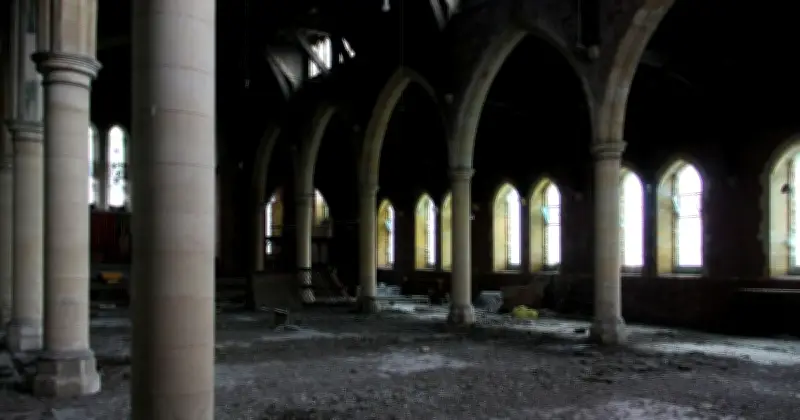
Whitchurch Hospital, a vast mental health facility in Cardiff, closed in 2016 after 108 years of operation and now lies empty, with new owners expected to be announced within six months.
The hospital, also known as the Cardiff City Mental Hospital and Cardiff City Asylum, was opened in 1908 to help deal with the city's growing population, which also brought with it growing poverty, vagrancy and "pauper lunatics," as they were known. It continued as a mental health hospital for more than a century before closing.
A Site of Historic Significance
The hospital cost an enormous sum of money to build, taking 10 years to construct at a cost of nearly £350,000, an enormous sum for the time. The main hospital building covered nearly five acres and was designed to accommodate 750 patients. A self-contained farm was to be an important feature, providing food and therapeutic work for patients.
The site also once had a bowling green, a dance hall, an 800-seat church, bandstands, summer homes and rooms for hundreds of patients. The first patients arrived in May 1908, and by June more than 600 patients had been admitted — most were men, but there were a large number of women too. Within a few years, the hospital had acquired a strong reputation as being at the forefront of mental health care.
Future Ownership and Concerns
The hospital is currently owned by an NHS trust, but the site went on the market a year ago, and different parties have shown interest since. The health trust has now confirmed they have offered one party the opportunity to "proceed to the next stage" with the aim of completing the transaction by spring 2027. They have also promised to "respect the site's heritage while delivering lasting benefits for future generations."
During World War One, the hospital was run by the military, and the hospital's more usual patients were disbanded to other hospitals. From 1919, patients began to return from their enforced stays elsewhere.
How a modern ward at the hospital looked in 1970 — although the hospital continued to be well-used throughout the 1960s and 70s, many were "now questioning the viability of large, outmoded institutions such as this," writes Phil Carradice on the BBC. He said: "Care in the community was considered preferable in many cases and, as a consequence, Whitchurch came to be seen by many as little more than a last ditch resort where containment was more important than care and treatment."