
Worried parents are contacting pharmacies in an “increasingly desperate” effort to get their children vaccinated against meningitis after an outbreak in Kent that has killed two young people and left 13 seriously ill. The surge in demand has led to stocks of the vaccine running so low that many pharmacies cannot obtain supplies from wholesalers.
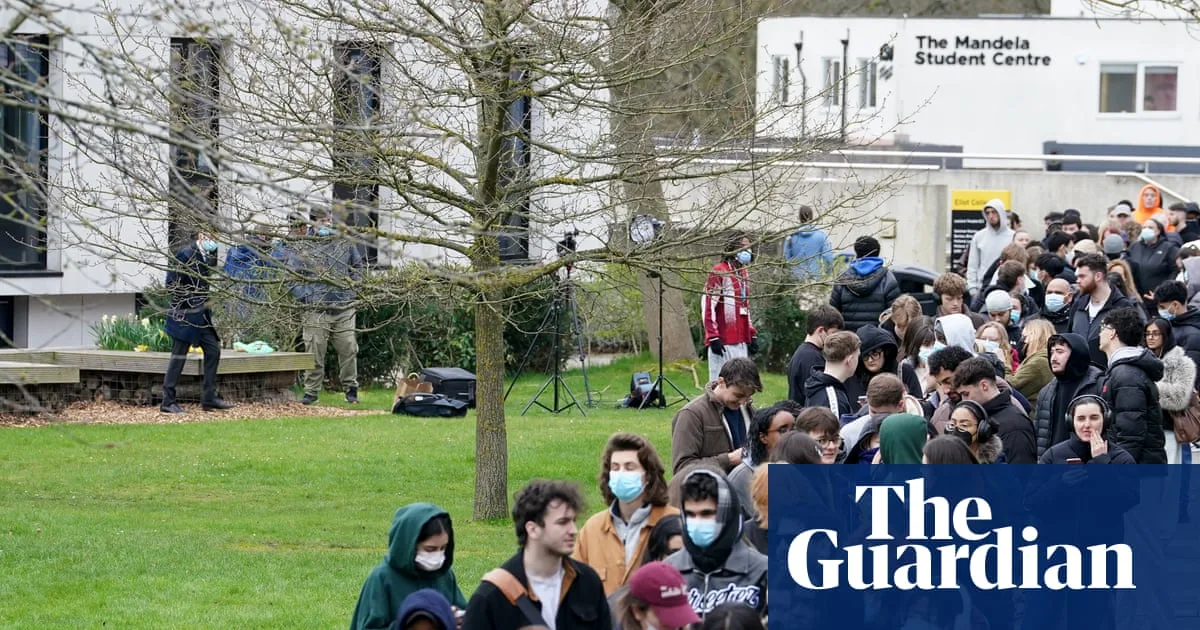
Students living in halls of residence at the University of Kent in Canterbury are being offered the vaccine as health officials seek to curb the spread of what Health Secretary Wes Streeting described as an “unprecedented” outbreak of the rare but sometimes deadly infection. The UK Health Security Agency (UKHSA) has reassured the public that the outbreak, linked to the Club Chemistry nightclub in Canterbury on 5, 6 and 7 March, has not spread beyond Kent.
Almost nine out of ten (87%) pharmacies that responded to a snap poll reported a dramatic rise in requests from concerned parents to get a child vaccinated, the National Pharmacy Association (NPA) said. Parents are paying £200 or more per child for a vaccine that protects against meningitis B, the strain involved in the outbreak. Boots, for example, charges £220 for the two jabs needed.
One pharmacy owner in Berkshire said: “I have received about 30 or 40 calls in two hours from people wanting to book their entire families for vaccinations. They are worried. They are getting agitated.” NPA chair Olivier Picard said demand was “far exceeding supply”, forcing pharmacies to “manage constrained levels of supply” and tell anxious parents they cannot immunise their children.
The MenB vaccine became available on the NHS in 2015 but is only given to babies, meaning many schoolchildren and young adults are not vaccinated. Raj Matharu, chair of Community Pharmacy London, said: “People are becoming increasingly desperate to access the meningitis vaccine… The reality is that pharmacies can’t get hold of the vaccine either. Our main suppliers are telling us it’s unavailable.”
The outbreak has prompted calls for the NHS to give teenagers and young adults the MenB jab. A Meningitis Research Foundation spokesperson said: “We believe there should be better protection for teenagers and young adults, including improved access to a routine MenB vaccination. Cost should not be a barrier when we are talking about such a serious illness as meningitis.”




