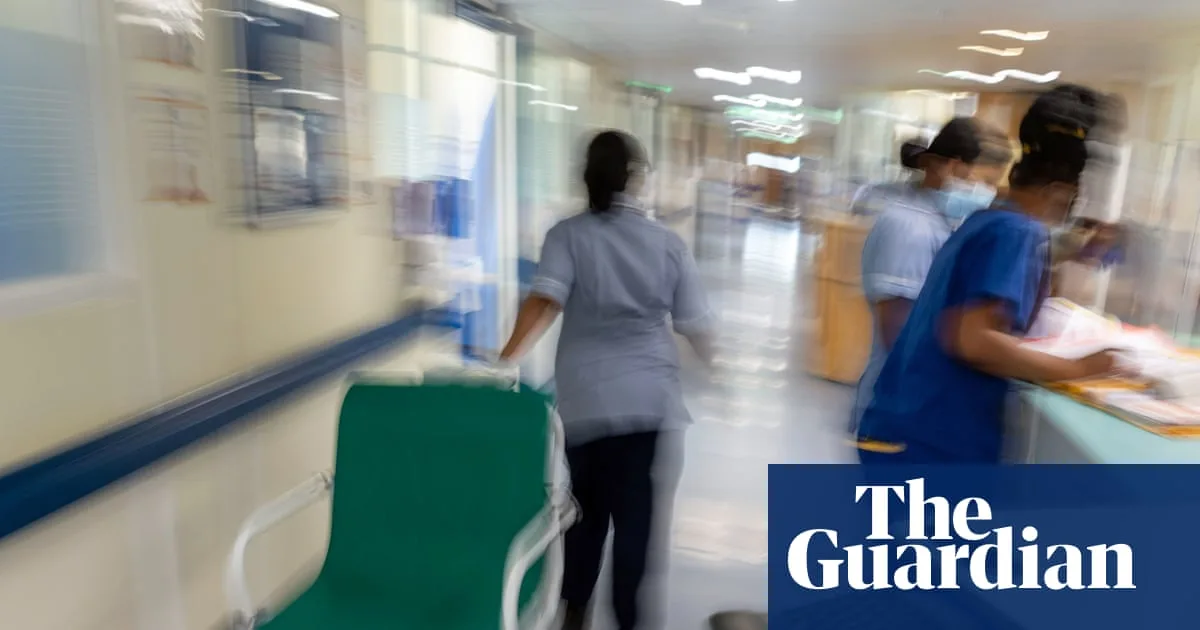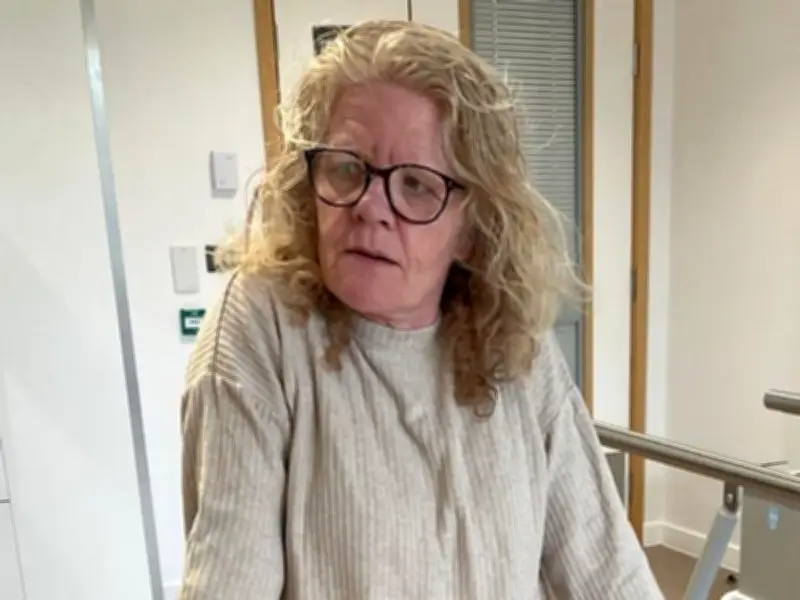
Ruth Bateup, a 58-year-old assistant librarian from East Peckham, Kent, underwent spinal surgery on April 2 at the Royal National Orthopaedic Hospital in Stanmore, north London, to relieve pain from cauda equina syndrome—a rare condition affecting the nerves at the base of the spine. Instead of recovery, she woke up unable to move her legs, diagnosed with functional neurological disorder (FND), a condition that disrupts how the brain sends and receives signals. Doctors told her that her brain had “forgotten I have legs.”
From Routine Surgery to Paraplegic Diagnosis
Ruth had lived with cauda equina syndrome symptoms since a car accident 13 years ago. Despite injections and other treatments failing, she agreed to surgery after doctors warned that the condition could eventually cause loss of bowel control and leg function. At a December appointment, a spinal surgeon said the nerves in her back were less than a “breadcrumb” away from permanent compression. “Every surgery carries risks,” Ruth said. “They are saying it is the mechanism that has gone wrong in my brain. It has forgotten that I have legs. They can’t promise me it will come back, but they also can’t promise me it won’t.”
Life-Changing Impact and Rehabilitation
Ruth remains at the London Spinal Cord Injury Centre, undergoing physiotherapy and rehabilitation after what was expected to be a short hospital stay turned into a 13-week ordeal. “I am now paraplegic is something I never thought I would say. I am absolutely heartbroken,” she said. “The thought of being in a wheelchair long-term scares me a little bit I have to say. The hardest thing for me is that I am not going to be able to give my mum a hug standing up again. That hurts.”

Home Adaptation Challenges and Fundraising
As Ruth prepares to leave hospital, her biggest concern is adapting her home for independent living. She lives alone and needs a lightweight wheelchair costing around £10,000, a £12,000 wet room, a stair lift, and a low-level kitchen after finding herself shuffling upstairs on her backside. Her friend Tony Dowdeswell launched a GoFundMe to cover these costs, raising more than £700 so far.
Determination to Walk Again
Despite the diagnosis, Ruth refuses to accept permanent paralysis. “I will never give up fighting. I am not sure that I will ever be able to do it, but I simply have to try. If you accept the chair then it is going to be forever, and I am not going to accept the chair. All I can think is that at the moment I am unable to walk,” she said. She hopes for a miracle and is determined to find a new normal.