
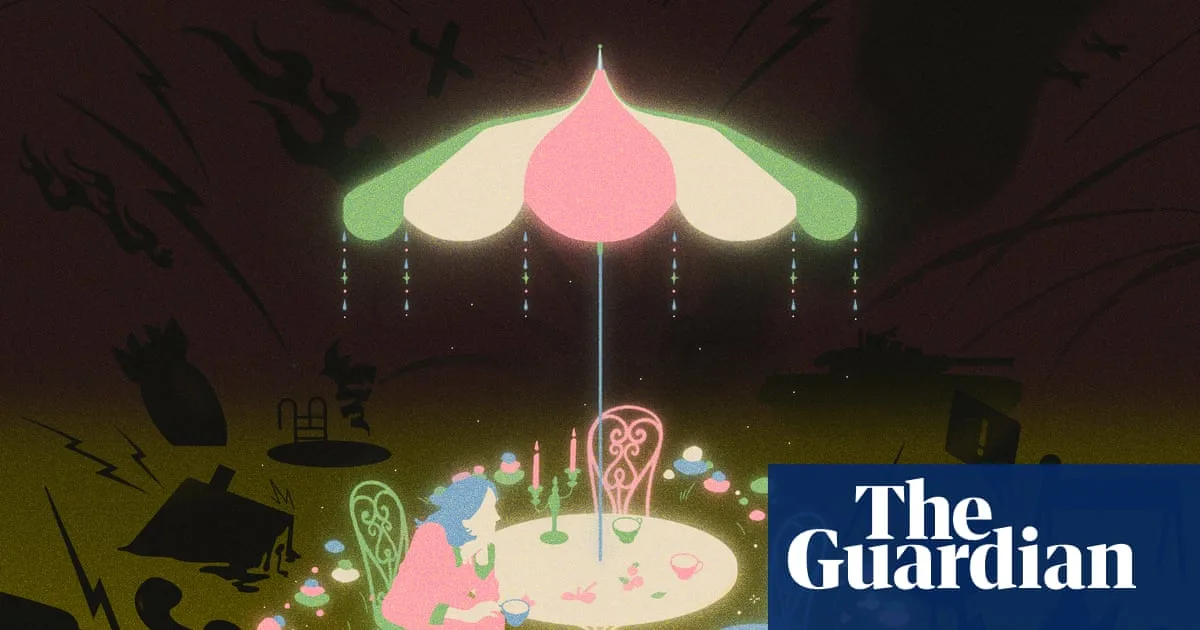
As 2025 begins, a growing number of people are struggling to envision a better future, according to psychologists and social media observations. Many report feeling trapped in the present, unable to plan beyond the next few days or weeks, with the road ahead clouded by uncertainty.
Clinical psychologist Dr Steve Himmelstein, who has practised in New York City for nearly 50 years, says most of his clients have “lost the future”. He notes that people feel overwhelmed by constant bad news—economic instability, rising costs, job insecurity and severe weather—which heightens anxiety and undermines motivation.
Himmelstein, a former student of Viktor Frankl, emphasises the importance of believing in a stable tomorrow. Frankl’s concept of “tragic optimism” helped him survive a concentration camp. When asked what Frankl might think of current events, Himmelstein replied, “I think it would scare him, like it’s scaring all of us.”
Dr Hal Hershfield, a psychologist at UCLA, explains that humans are not evolutionarily designed to think about distant futures. Instead, we “remember” the future through a process called episodic future thinking, which becomes impaired during times of radical uncertainty. This makes it harder to predict outcomes or plan effectively.
Himmelstein advises clients to daydream about a better life one or two years ahead, but acknowledges the difficulty. “The future is their homework,” he said, but many cannot find anything to look forward to.




