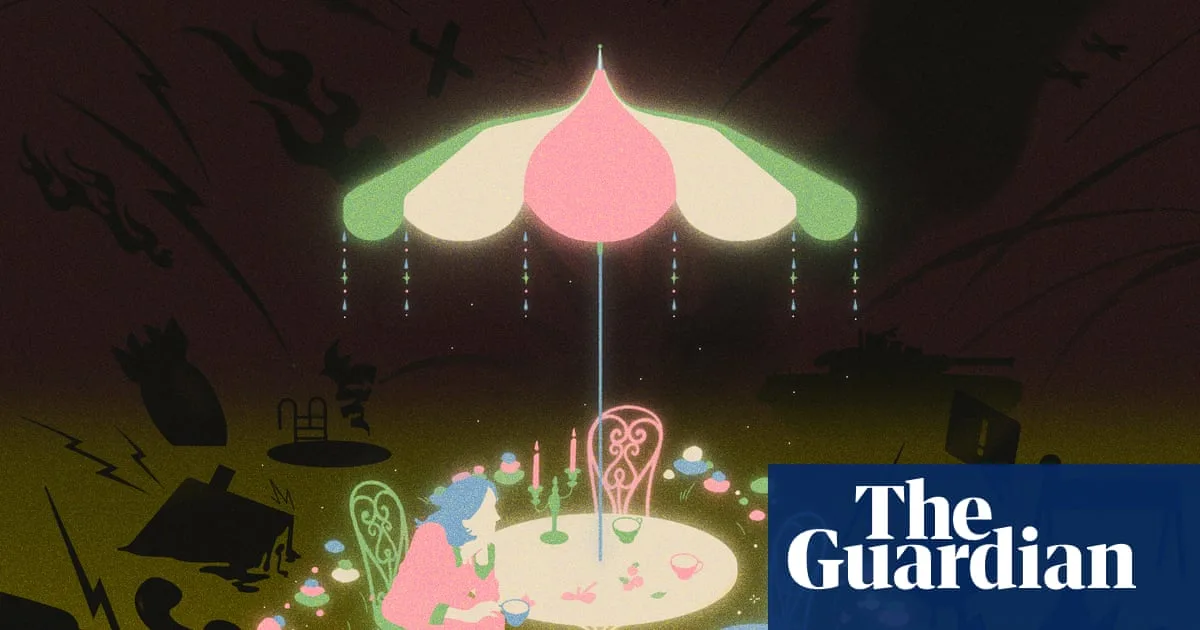
As 2026 begins, many people are struggling to think beyond the next few days or weeks, let alone set ambitious New Year’s resolutions. A growing sense of being trapped in the present, fuelled by global instability, is making it difficult to envision a better future.
Clinical psychologist Dr Steve Himmelstein, who has practised in New York for nearly 50 years, says most of his clients have “lost the future”. He reports that people are overwhelmed by constant bad news – economic uncertainty, political turmoil, rising costs, job insecurity and severe weather – which heightens anxiety and hampers productivity.
Himmelstein, a former student of concentration camp survivor Viktor Frankl, notes that this despair is worse than after 9/11. Frankl’s philosophy of “tragic optimism” – finding meaning despite suffering – helped him survive, but Himmelstein believes current events would scare even Frankl.

Psychologist Dr Hal Hershfield of UCLA explains that humans are not evolutionarily designed to think about the distant future. Instead, we “remember” the future through a process called episodic future thinking, which relies on stable conditions. Radical uncertainty disrupts this ability, making planning feel impossible.
Himmelstein advises clients to daydream about their lives one or two years ahead in a perfect world. But for many, even that homework feels daunting. The collective loss of faith in tomorrow is making resolutions feel harder than ever.