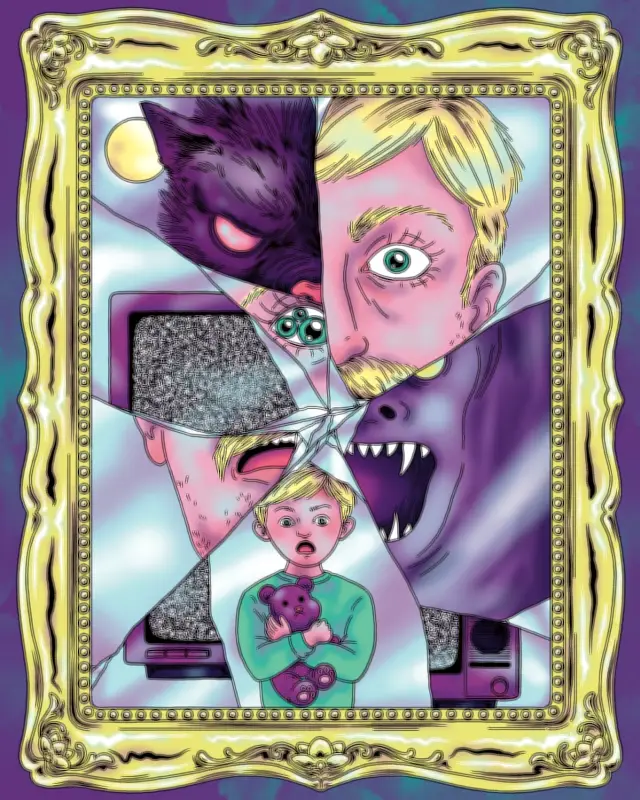
Carmine M Pariante, a professor of biological psychiatry at King’s College London, recounts his lifelong fear of horror films, which began at age six while watching the 1948 comedy Abbott and Costello Meet Frankenstein. The werewolf transformation scene triggered inconsolable screaming, leading to decades of avoiding horror and the dark.
What Is Cinematic Neurosis?
Pariante explains that his reaction may be a case of cinematic neurosis, a term for intense, enduring fear responses to films that meet criteria for post-traumatic stress disorder (PTSD). Symptoms include persistent arousal, anxiety, and intrusive thoughts. While PTSD is typically associated with violence or disaster, even ordinary events can qualify if experienced as catastrophic. A 2007 case described a woman, Ms X, who developed psychosis after watching The Exorcist as a teenager, though her pre-existing mental health issues contributed.
Why Horror Films Thrill Most People
Freud’s concept of the uncanny (unheimlich) explains why horror resonates: it presents familiar things made strange, like the evil twin or a mirror that betrays. Recent hits Backrooms and Obsession, both made by Gen Z former YouTubers, exploit this by depicting familiar settings—like a shop basement or a relationship—turned wrong. Horror films serve as safe rehearsals for terror, similar to bedtime fairy tales, but the body sometimes cannot distinguish rehearsal from reality, triggering physiological responses like elevated blood pressure and immune activation.

Risk Factors for Horror-Induced Trauma
Research identifies traits that make children more susceptible to horror-induced trauma: young age (under seven cannot reliably distinguish fantasy from reality), high empathy, and fantasy empathy (the tendency to immerse deeply in fictional worlds). Additionally, children who have experienced loss or emotional difficulties at home are more likely to react with trauma. Pariante realized his own fear stemmed not from the on-screen werewolf but from a pre-existing fear of losing loved ones to unrecognizable rage, mirroring his home life.
How to Overcome the Fear
One effective intervention involves showing frightened children the making of a monster—for example, footage of an actor being transformed into the Hulk step by step. This demystification reduces fear. Pariante uses a similar technique: when a film becomes overwhelming, he briefly pictures the crew and equipment outside the frame, grounding himself in reality before re-engaging with the story.
Horror films continue to dominate box offices, taking roughly 70% more at the North American box office in 2023 than a decade earlier, even as other genres migrate to streaming. The genre’s appeal lies in its ability to address societal anxieties, from Red Scare alien-invasion films to contemporary works exploring fractured identities.