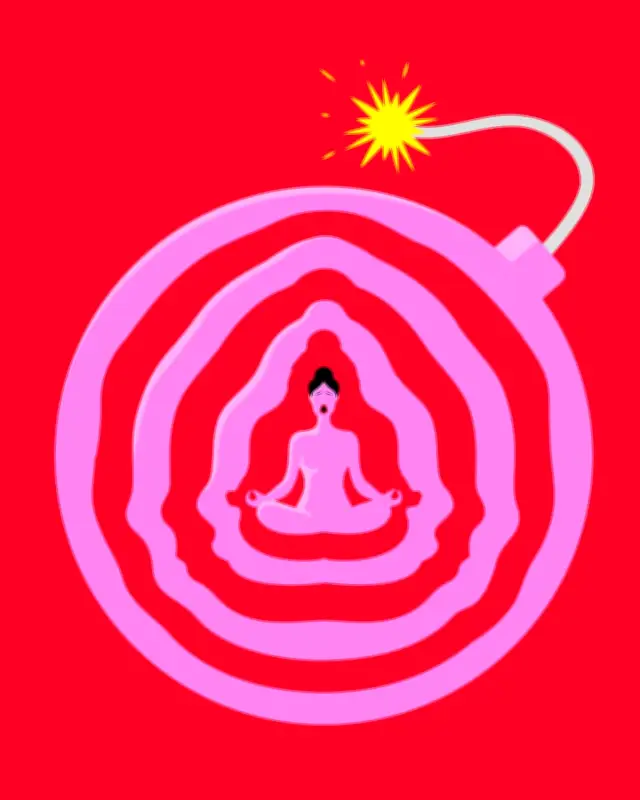
According to Instagram, many people feel they are not doing enough. This pressure extends beyond social media into the broader culture, where urgent issues from technology to personal wellness seem to demand constant activity. However, psychology research suggests that the 'more is more' approach may be counterproductive.
The Problem with Additive Bias
Studies show that when faced with a problem, the human mind naturally gravitates toward adding elements rather than removing them. For example, to combat burnout, most people would add a meditation class before removing a stressful commitment. They might buy a sleep supplement instead of reducing screen time. This tendency, called 'additive bias', is common in consumerist societies and among social media users who compare their lives to others'.
A report by Diana Kwon in Scientific American notes that people find fault with subtractive solutions more readily than additive ones. This bias can stall or worsen issues, especially under high cognitive load. A collection of 2025 studies in Communications Psychology found that participants consistently recommended additive solutions for mental health struggles, like meditating and exercising, over subtractive ones like quitting smoking. They rated additive solutions as more feasible and effective, even when subtractive fixes were easier and more efficient. The researchers also found that ChatGPT advice is biased toward additive solutions.

Impact on Mental Health Advice
The studies concluded that this bias creates a social context where we advise each other to always do more. Dr Tom Barry from the University of Bath said, 'While well-meaning, [this] can unintentionally make mental health feel like an endless list of chores. Good advice should balance doing more with doing less.' Participants were more likely to accept additive advice for themselves and recommend it to strangers, but naturally suggested subtractive advice to close friends.
Applying Subtraction to Politics and Life
This sentiment applies to political action as well. Therapist Linda Sanderville advocates a subtractive approach: periodically consuming no media. 'It’s hard to consume and create in the same state,' she said. 'Give your brain a break from consuming, because that gives you space to process all that you’ve been learning.' She encourages asking how to grind less to be more creative and influential.
Amanda Montell, author of The Age of Magical Overthinking, suggests that stepping back to assess options deliberately can better serve one's values. The key is to recognize that doing less can be a powerful solution.