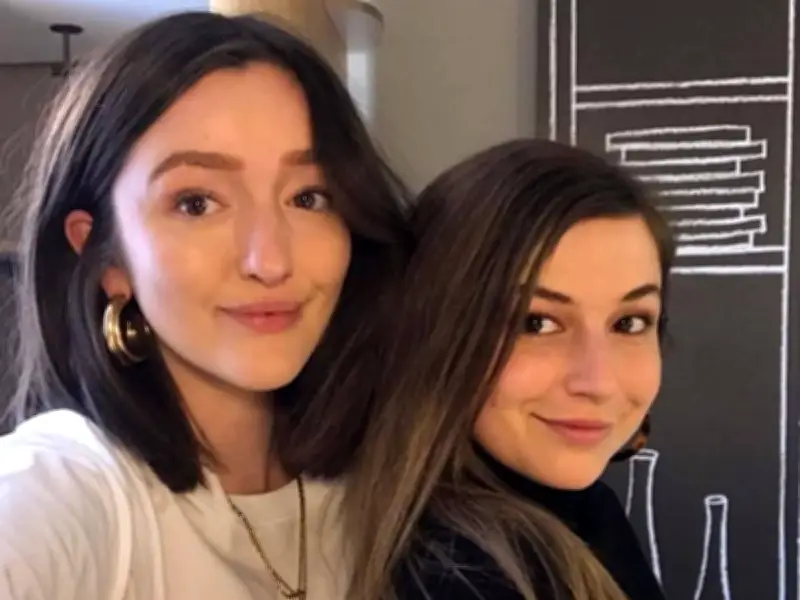
Josie Porter, a dietitian from east London, has spoken of the heartbreak of losing her sister Jennifer "Jenn" Porter, a nurse who died by suicide at age 33. Jenn, from Southsea, Portsmouth, had been a dedicated nurse during the UK coronavirus crisis but struggled with cocaine misuse and mental health difficulties for years—signs her family initially missed.
Hidden Struggles Behind a Successful Career
Jenn began using cocaine after the death of their grandfather in May 2015, whom Josie described as their "main person" growing up. Around the same time, she met someone selling cocaine, giving her easy access. "It was the perfect storm," Josie said. "She was grieving and she found something that helped her cope and made her feel better, even if only temporarily." Despite her addiction, Jenn qualified as a nurse and worked in respiratory care, supporting patients through the Covid-19 pandemic while managing gruelling shifts and staff shortages.
Josie said: "She was incredibly dedicated to her work and would never go in when she had been on drugs. She worked nights, dealt with understaffing and carried a huge amount of responsibility." She added: "There is a lot of pressure in that work and I think the drugs become a cushion. She wasn't the sort of person people imagine when they think of someone struggling with addiction."
Missed Red Flags and a Devastating Letter
Jenn had a habit of vanishing for days at a time, which the family dismissed as enjoying a "bender." Josie said: "We'd go out as a group and she'd disappear for days at a time. It became a red flag, but we didn't think she was addicted—we just were thinking she must like a bender. I never thought my sister would be an addict." In 2019, Jenn made a serious suicide attempt and received support from crisis teams and antidepressants, but continued battling depression, grief, and addiction.
After Jenn's death in June 2025, Josie discovered letters and diary entries revealing the true extent of her sister's cocaine use. "I used to think of cocaine addiction as a physical thing, something you'd see in someone. I knew it affected you mentally but I didn't realise how much it could actually affect your brain," she said. "After Jenn died, we found letters and diary entries that showed how paranoid and suicidal she had become. It completely changed my understanding of what addiction can do to someone."
Seeming Improvement Can Mask Deeper Struggles
In the months before her death, Jenn appeared to be doing better—clearing debts, making future plans, and booking concerts. Josie said: "It genuinely looked like things were improving. She'd bought a new phone, had deliveries on the way and concerts booked. That's why it was such a shock—I just didn't expect it. Looking back now, there were things I missed." She now believes visible signs of improvement can conceal deeper, ongoing struggles. "Sometimes when people seem better, that's actually when they need the most support. They convince themselves they're okay, their guard goes down, and then they relapse and the cycle starts again."
Breaking Stereotypes and Encouraging Open Conversations
Josie emphasised that addiction doesn't always match stereotypes. "When people think of addiction, they often picture someone who has lost everything—no job, no family. You don't imagine a successful nurse with a career and a home," she said. She urges families to remain vigilant for changes in behaviour, unexplained absences, financial difficulties, and strained relationships, but also acknowledges that addiction isn't always easy to spot. "Sometimes there are no signs at all. The important thing is creating space for people to talk without judgment. People struggling with addiction often feel shame, guilt and helplessness. They need support, not criticism."
Jenn's family—including Josie, Jenn's partner, her mother, father, sister, auntie, uncle, half-sister, and eight friends—attended her inquest in June 2025, where a verdict of suicide was recorded. Josie hopes sharing Jenn's story will break down stereotypes and open up conversations about substance misuse and mental health. "Jenn was an incredible nurse who spent her life helping other people. We've lost someone truly special. If talking about what happened helps even one family recognise the signs or encourages one person to ask for help, then it's worth telling her story. I would hate for someone to lose their Jenn."
Samaritans (116 123 in UK and Ireland) operates a 24-hour service available every day of the year. If you prefer to write down how you're feeling, or if you're worried about being overheard on the phone, you can email Samaritans at jo@samaritans.org.