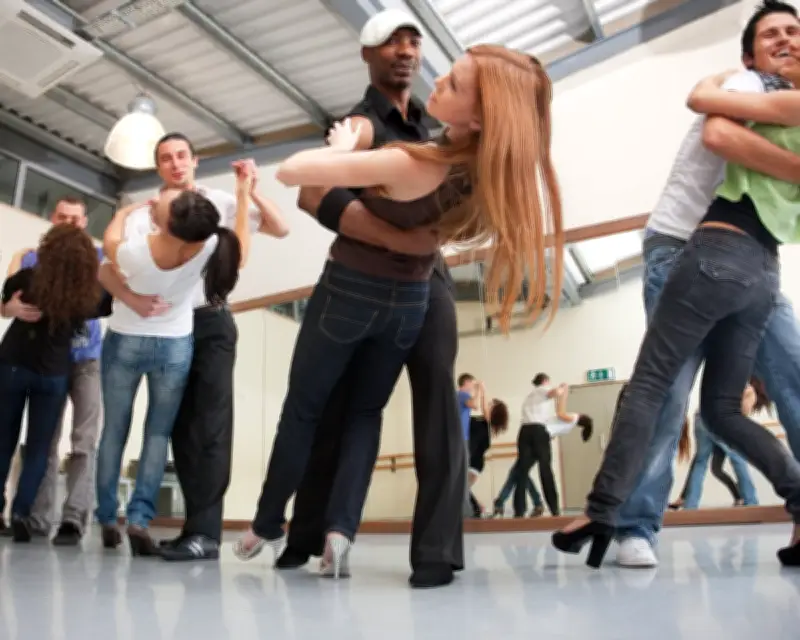
Taking salsa classes can significantly improve mental health, according to a new study from the University of Oxford and Oxford Health NHS trust. The randomised controlled trial, published in Psychological Medicine, found that young adults with mild to moderate depression and anxiety who participated in an eight-week salsa programme showed clinically significant reductions in depressive symptoms and social anxiety compared to a control group.
Study Details and Findings
The study involved 121 young adults aged 18 to 24, who were randomly assigned to either a salsa dance programme or a control group. Both groups completed mental health questionnaires before, during, and after the eight-week programme. Results showed that those in the salsa group experienced greater reductions in depressive symptoms and social anxiety, as well as larger increases in daily happiness.
Brennan Delattre, lead author of the research, said: “These findings are noteworthy because, as salsa is physical, social, musical, structured, and often playful, it asks people to engage with others, but within a clear framework: steps, patterns, partner rotation, and a predictable class routine. For some people, this may make social contact feel more manageable than an unstructured social group setting.”
Implications for Mental Health Care
While the results are promising, Delattre cautioned that they are not yet strong enough to support prescribing salsa as a stand-alone treatment for clinically diagnosed depression. However, she added: “GPs and social prescribing services could consider accessible social-dance classes as an optional wellbeing or adjunctive intervention, particularly for young people who find them appealing.” Further clinical trials with active comparison groups are needed before stronger prescribing recommendations can be made.
The findings align with previous research on social prescribing, which found that adolescents on mental health waiting lists who were prescribed activities like karate, art classes, Pokémon tournaments, book clubs, and nature walking clubs showed improvements in resilience, behaviour, and relationships.
Expert Reactions
Dr Daniel Hayes, lead author of that earlier study and deputy director of the National Centre for Social Prescribing Data and Analysis at University College London, welcomed the new findings. He said: “Mental health care shouldn’t begin and end in the consulting room. While not every young person needs or wants the same activity, this study adds to growing evidence that helping people take part in enjoyable, social activities in their communities can support mental health.”
Dr Keir Philip, a clinical lecturer for the National Heart and Lung Institute at Imperial College London, commented: “The world has changed dramatically – 50 years ago, social dancing would not have been considered an ‘intervention’, it would have been a standard Saturday night. Perhaps this study is actually treating a dance deficiency that we didn’t know we have. This study does not suggest that salsa is a cure for depression, rather a useful tool to add to existing options.”
Broader Context
Salsa is one of the most popular dance forms worldwide, with hundreds of millions of followers. It combines Caribbean, Spanish, and African musical styles and rhythms, and is believed to offer cognitive and physical benefits such as improving cardiovascular health, muscle tone, and posture. This study suggests that its social and structured nature may also provide mental health benefits, particularly for young people.