More than half of veterans struggle to stay in touch after leaving service, new research shows, but shared military slang and travel are helping keep bonds alive.
Slang Triggers Positive Memories
A survey of more than 4,000 Veterans Railcard holders found many continue using recognisable phrases long after completing their service, such as 'civvies' (civilian clothes), 'hoofing' (excellent) and 'doss bag' (sleeping bag). Nearly half (48%) said that using the recognisable language triggers positive recollections from their time in service, with 27% saying it strengthens a sense of camaraderie and 24% experiencing a powerful sense of belonging.
The research was commissioned by railcard.co.uk and highlighted how many veterans face difficulties maintaining connections after leaving service, with the camaraderie and friendship (44%), and travelling to new places (20%) amongst the things they long for the most. It also found 22% of the veterans polled may feel disconnected from the friends they made after they leave service, citing their loss of friendships, routine and support networks as the reasons they struggled to adjust to "civvy street".
Struggles to Maintain Connections
Despite 79% believing it is vital to maintain relationships, only 22% manage to meet up every few months, while 19% achieve a reunion merely once a year. More than half (54%) indicated that living far away from fellow veterans has complicated efforts to remain in contact, while work (47%) and family commitments (42%) also contribute.
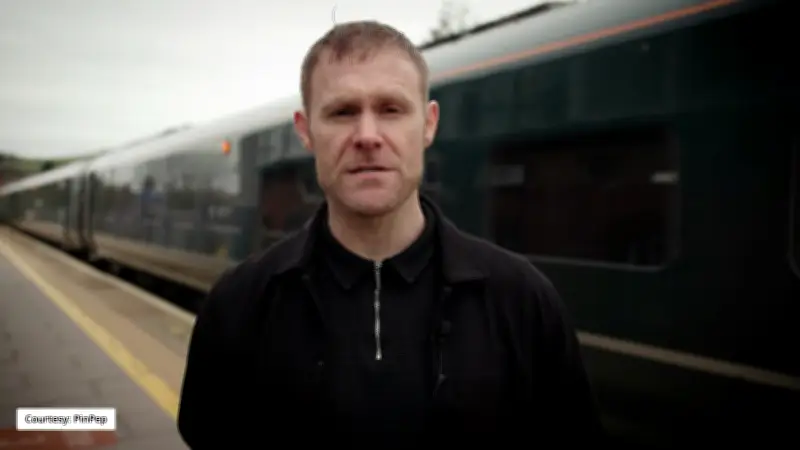
The findings showed veterans take an average of 17 months to feel comfortable in civilian life again. With half of respondents keen to meet fellow veterans from other generations. railcard.co.uk brought together veterans to share their experiences of readjusting to life outside the military. Fronted by former Royal Marine Mark Ormrod OBE, the video also features RAF veteran Iain Henderson and Army vet Corbin Mackin.
Veterans' Voices and Public Perception
Mark Ormrod said: "As a veteran from Plymouth, a city shaped by generations of service, I know how powerful those military bonds are. But once you step back into civilian life, staying connected to that community isn't always easy - distance and life pressures can get in the way. That's why my Veterans Railcard means so much. It's not just a third off train travel; it removes barriers. It gives me freedom to visit old comrades, check in on someone who might be struggling, attend events or simply be present for others that are making their transition back to civvy street."
The research of 2,000 civilians, conducted via OnePoll, found 75% don't believe they would be able to comprehend what life in the forces was like, with 62% saying the same regarding the challenges veterans face when adapting to civilian life. Despite this, 86% believe it is important for veterans to stay connected, as it's good for their mental health and wellbeing (78%), maintains a sense of community (73%), and helps veterans share their stories (53%).
Supporting Veteran Connections
Catherine Lyver, for railcard.co.uk, said: "We're proud to support the veteran community through our Veterans Railcard, helping ex-service personnel save money on travel and making it easier to visit friends, attend reunions and maintain those all-important bonds. Whether it's travelling across the country to see fellow veterans or heading back to places that hold special memories from their time in service, we want to help veterans stay connected to the people and places that matter most."
The top 15 slang words veterans can't shake off include: Civvies - Civilian clothes; Say again - "Repeat that"; Scran – Food; Recce - Reconnaissance; AWOL - Absent without leave; Baltic - Very cold; Gash - Rubbish or useless; Hurry up and wait - Rush to get ready, then wait around; Beasted - Physically pushed very hard; Threaders - Fed up or annoyed; Pull up a sandbag - Invitation to sit and tell a story; Daysack - Small daily-use rucksack; Chinstrapped – Exhausted; Gen - Reliable information; Redders - Very hot.