Man Reveals Rare Condition That Makes Him Pull Out His Own Eyebrows
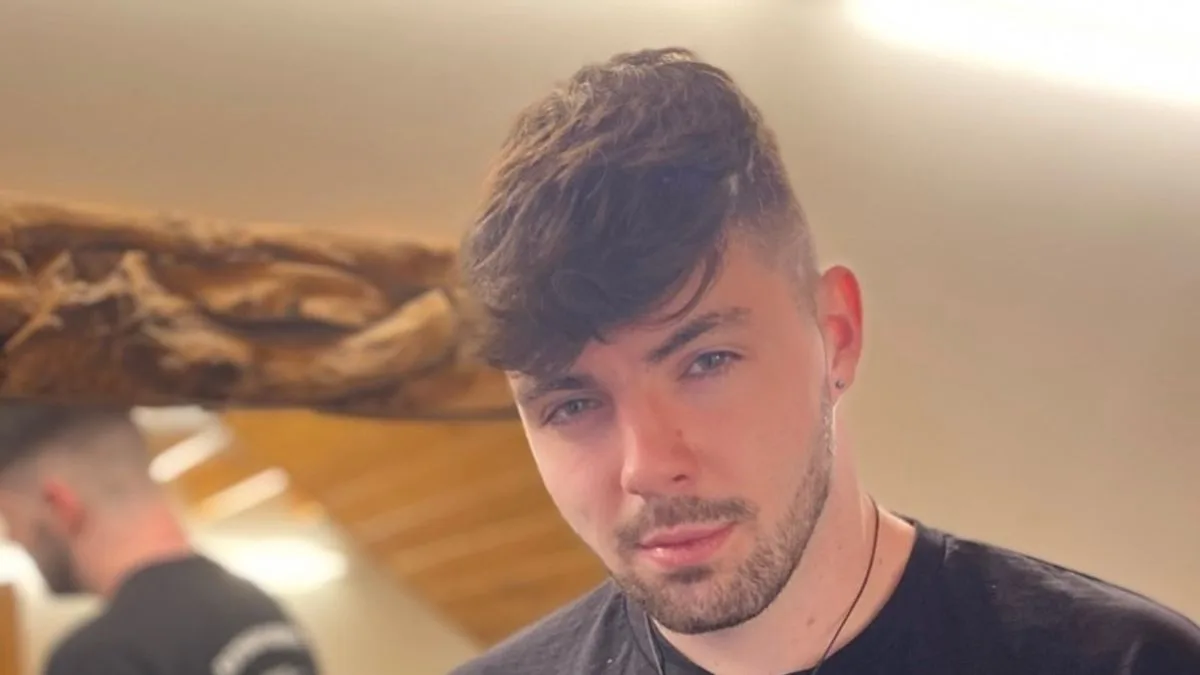
A young man has bravely shared his personal battle with a rare mental health condition that compels him to pull out his own eyebrows within hours. Ruben Chorlton-Owen, aged 24 and from North Wales, recently opened up about his life-altering experience with trichotillomania, a compulsive hair-pulling disorder he has struggled with since approximately age 15.
Understanding Trichotillomania
For those unfamiliar, trichotillomania is a recognised mental health disorder characterised by an irresistible, compulsive urge to pull hair from various body areas, including the scalp, eyebrows, or other regions. This often leads to noticeable hair loss and significant emotional distress.
It is classified as a chronic body-focused repetitive behaviour (BFRB), which individuals may use as a coping mechanism to alleviate stress, tension, or boredom, providing only temporary relief. Reports indicate the condition impacts roughly one in 50 people, making it a relatively rare diagnosis.
Ruben's Personal Struggle
Ruben described the profound impact of his condition, stating: "At its worst, I pulled out most of one eyebrow and remember looking in the mirror thinking 'what have I done?' I began avoiding photos and sometimes wore a cap to hide thinning patches."
He often resorts to humour to mask the issue, joking about shaving mishaps when questioned, rather than admitting the true cause. For Ruben, the disorder primarily affects his eyebrows and beard, triggered by factors such as stress, tension, intense film scenes, or boredom.
"I usually don’t realise I’m doing it until the damage is done," he explained. "It’s automatic, followed by relief and then guilt, which creates a cycle that can last for days at a time."
The Hidden Battle and Social Pressures
Externally, Ruben admitted that people would never suspect anything is amiss, making it a deeply hidden struggle initially shared only with close family and friends. However, his active presence on social media adds pressure to maintain a confident appearance, complicating his ability to cope.
He highlighted that trichotillomania is estimated to affect around 1% to 2% of the population, yet many remain unaware it is a legitimate mental health condition. It can impact hair anywhere on the body, including eyebrows, beard, and even eyelashes.
"I think there’s still a misconception that it mainly affects women, but men struggle too," Ruben noted. To rebuild his confidence, he has turned to microblading while continuing to manage the urges. Speaking out has already garnered quiet messages of gratitude from others facing similar silent battles.
Raising Awareness and Offering Hope
"That alone made me realise how many others are dealing with the same thing in silence," he said. "I’m speaking out now because I finally feel more comfortable sharing my experience, and I wish someone had told me when I was younger that it’s more common than people think and nothing to be ashamed of."
Ruben hopes his story will reach at least one person who recognises themselves, fostering a sense of connection and reducing isolation. He aims to demonstrate that the condition can be managed, and with proper help and guidance, individuals can still find confidence in themselves.
NHS Guidance and Support
The NHS advises seeking medical help if hair-pulling habits are observed. Their website states: "See your GP if you're pulling your hair out or if you notice that your child is. You should also see your GP if you or your child has a habit of eating hair. This can cause hairballs to form in the stomach, leading to serious illness."
GPs can examine areas of hair loss to rule out other causes, such as skin infections, and provide tailored assistance. If concerned about health or hair-pulling behaviours, contacting a GP is recommended for expert advice and support.