Lockdowns' Toll on Youth Mental Health Exposed in BBC's Reported Missing
Lockdowns' Toll on Youth Mental Health in BBC Show

Reported Missing (BBC1) earns a rating of four out of five stars. What a terrible price is being paid by an entire generation for the worst peacetime blunder in Britain's history. Even now, we are barely beginning to count the cost.

The destructive impact of repeated lockdowns on children's mental health was entirely predictable. The Daily Mail ran numerous articles by GPs, psychiatrists, and parents, warning that stirring up panic in millions of youngsters isolated from their peers was madness — all the more so because children were practically immune to the Covid virus.

Now, depression and anxiety among teenagers are at cataclysmic levels, stretching public services beyond their limit. In Edinburgh, PC Andy Porteous spelled it out on Reported Missing: 'When coming on shift, there's quite a high chance that we'll be dealing with a young person suffering from poor mental health.'

Wide Pickt banner — collaborative shopping lists app for Telegram, phone mockup with grocery list

'These young people were children during lockdown. I think this form of isolation has had a massive negative impact on their mental health and wellbeing, and we're only just starting to catch up with what's going on.'

PC Porteous is to be commended for saying what his colleagues across the country must be thinking. Crime levels are rampant, yet the police have to expend much of their time and energy as an extension of the NHS.

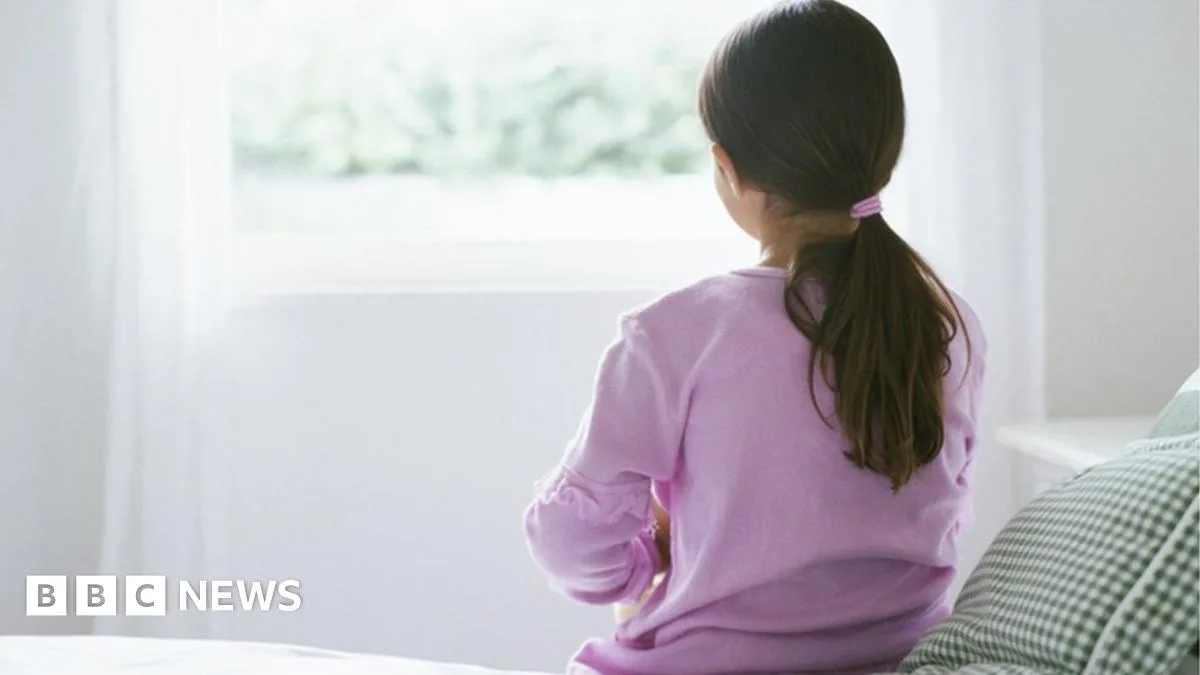
He and his colleagues were searching for a desperate 18-year-old, Bobby, who had been discharged from hospital only to spiral into another suicidal crisis. The BBC programme follows officers in a race to trace 16-year-old Larissa, a talented artist with bipolar disorder.

When they found Bobby, he was wading out into the sea, and officers had to risk their lives to drag him back to safety. In Glasgow, police were going door to door, asking locals if they had seen runaway Larissa, whose mother, Karen, was beside herself with worry.

'She's in a very vulnerable state,' Karen said. 'It scares the bones from me.' She hated to involve the police in her family's troubles but was terrified of the consequences if she did not: 'I'd rather blow it out of all proportion and have her back, than minimise it and be wrong.'

Larissa was a talented artist with bipolar disorder, whose drawings gave an insight into her troubled mind. In one, she drew herself as a girl with a knife who has cut out her own heart and served it up on a plate.

Reported Missing, now in its fifth series, conveys the urgency of these cases without lurching into melodrama. A clock sometimes flashes up, ticking away the seconds since a 'misper' was last seen. But that is the extent of it.

Narrator Rosalind Eleazar keeps the explanations clear and measured, while the cameras stay well back if there is any possibility that the presence of a film crew could exacerbate the situation.

Larissa was found after taking an overdose and recovered. We met her at the end, a smiling, hopeful teen with ambitions to be a book illustrator. Her drawings are detailed, witty, and intriguing. I hope she finds success.

Pickt after-article banner — collaborative shopping lists app with family illustration