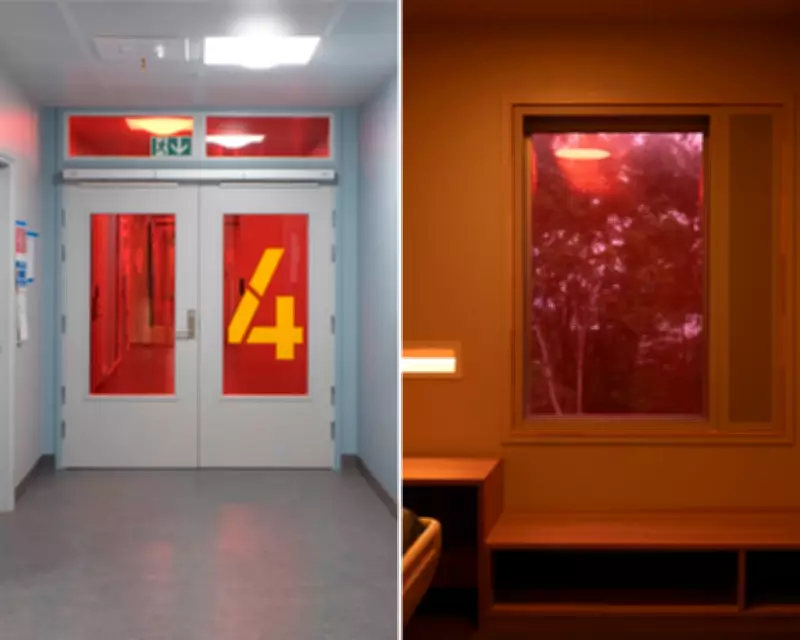
Norwegian Research Uncovers Potential of Light Colour in Mental Health Care
A pioneering study conducted in Norway has unveiled compelling evidence that the colour of light could play a significant role in treating mental illnesses, including depression and anxiety. This research, which explores the intersection of neuroscience and environmental factors, suggests that specific wavelengths of light may influence brain function and emotional regulation in ways previously underestimated.
How Light Colour Impacts Mental Well-being
The study, led by a team of scientists at a Norwegian university, investigated how different colours of light affect neural pathways associated with mood disorders. Using controlled experiments, researchers exposed participants to various light hues, such as blue, green, and red, while monitoring brain activity and psychological responses. Results indicated that certain colours, particularly blue light, appeared to enhance cognitive function and reduce symptoms of depression, while warmer tones like red light showed potential in alleviating anxiety by promoting relaxation.
This discovery builds on existing knowledge of light therapy, commonly used for seasonal affective disorder, but extends it to a broader range of mental health conditions. The researchers hypothesise that light colour may interact with the brain's circadian rhythms and neurotransmitter systems, such as serotonin and melatonin, which are crucial for mood stability. By tailoring light exposure to individual needs, this approach could offer a personalised, non-invasive treatment option, reducing reliance on pharmaceuticals with fewer side effects.

Implications for Future Mental Health Strategies
The findings have sparked interest among healthcare professionals and policymakers, as they highlight a low-cost, accessible method to complement traditional therapies. In Norway, where mental health services are increasingly prioritised, this research could inform new clinical guidelines and public health initiatives. For instance, hospitals and clinics might integrate coloured lighting in treatment rooms, or patients could use specially designed lamps at home as part of their recovery plans.
However, the study's authors caution that more extensive trials are needed to validate these effects across diverse populations and long-term use. They also note potential challenges, such as individual variability in light sensitivity and the need for standardised protocols to ensure safety and efficacy. Despite this, the research opens exciting avenues for innovation in mental health care, potentially revolutionising how conditions like depression and anxiety are managed globally.
As mental illness rates continue to rise worldwide, this Norwegian study offers a beacon of hope, suggesting that simple environmental adjustments, like changing light colour, could make a profound difference in people's lives. It underscores the importance of interdisciplinary research in addressing complex health issues and paves the way for future explorations into light-based therapies.