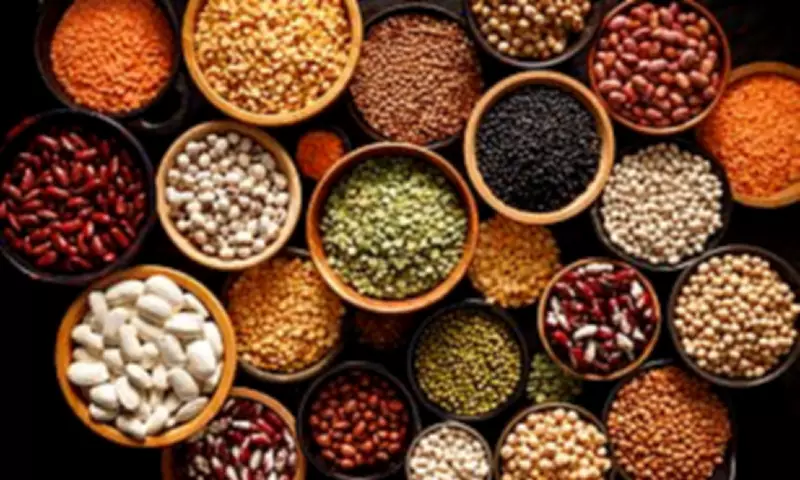
A diet rich in beans, lentils, chickpeas, and soy can reduce the risk of high blood pressure by nearly one-third, according to a major review. Researchers found that consuming around 170 grams per day of legumes—such as beans and lentils—and 60 to 80 grams per day of soy—including tofu and edamame—is optimal for lowering hypertension risk.
Study Details
Nutritionists from King’s College London and other institutions analyzed 12 existing studies for the journal BMJ Nutrition Prevention and Health. Compared to those who ate the least, individuals consuming the most legumes had a 16% lower risk of high blood pressure, while those eating the most soy had a 19% lower risk. Overall, the experts calculated a 30% reduction in risk at 170 grams per day of legumes and a 28–29% reduction at 60–80 grams per day of soy.
What Counts as a Serving?
The researchers noted that 100 grams of legumes is equivalent to approximately one cup or five to six tablespoons of cooked beans, peas, chickpeas, lentils, or soybeans, or a palm-sized serving of tofu. Soy foods include tofu, soy milk, edamame, tempeh, and miso.

Mechanisms Behind the Benefit
Several potential mechanisms may explain the observed benefits. Legumes and soy are rich in potassium and magnesium, which have blood pressure-lowering effects. They also contain dietary fiber, which is linked to lower rates of hypertension and overall cardiovascular disease risk.
Hypertension in the UK
One in three adults in the UK—around 16 million people—has high blood pressure, defined as a reading of 140/90 or higher. This rises to at least one in two adults over 65. Persistently high blood pressure is a major cause of premature death and disability, leading to strokes, heart attacks, and heart disease.
Current Consumption vs. Recommendations
Current legume consumption across Europe and the UK remains low, with average intakes of only 8–15 grams per day, far below the recommended 65–100 grams per day for cardiovascular health. The study authors argue their findings support dietary recommendations to prioritize legumes and soy as healthy protein sources.
Expert Commentary
Tracy Parker, senior dietitian at the British Heart Foundation, commented: “This new study adds to the growing evidence that legumes and soy foods can support healthier blood pressure as part of a whole-food, plant-based diet. While the findings are observational and can't prove cause and effect, they reinforce existing UK guidance to eat more beans, lentils, and other plant-based foods. Legumes and soy are naturally low in saturated fat and salt, and provide fibre, potassium, magnesium, and plant proteins. Simple swaps, like choosing beans, lentils, chickpeas, or tofu in place of processed meats, can make a meaningful difference.”