
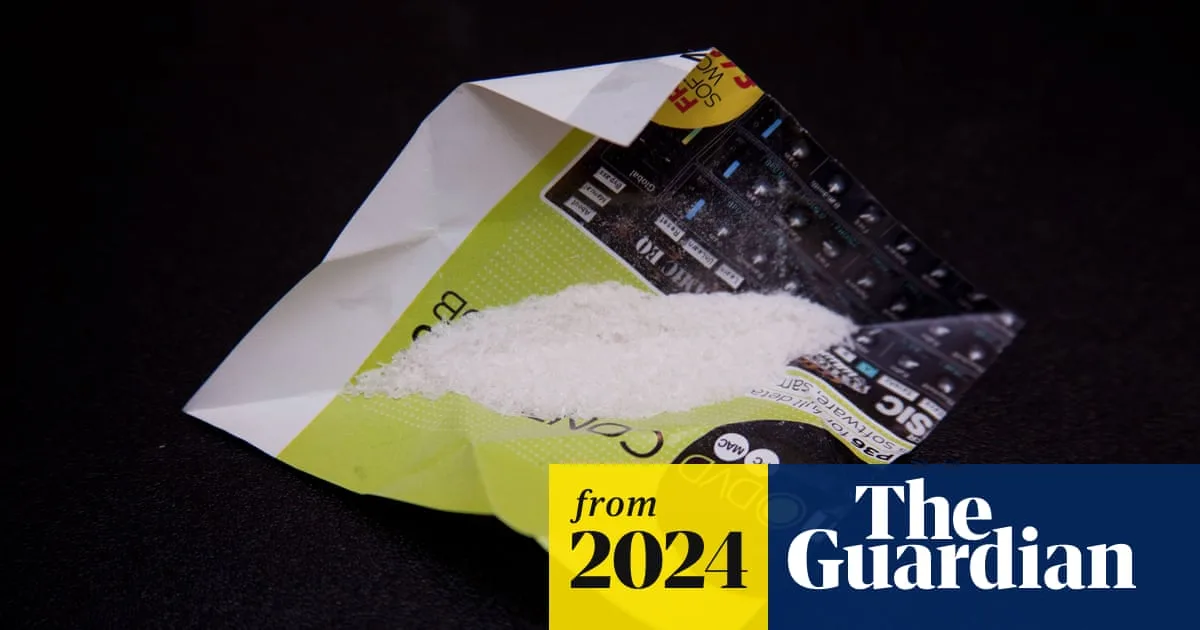
Young people becoming addicted to ketamine is a national problem that is growing rapidly, a leading addiction psychiatrist has said. Specialist ketamine clinics have recorded a surge over the past two years in the numbers of young people seeking help, many of whom have struggled to engage with mainstream treatments.
Owen Bowden-Jones, a consultant psychiatrist and founder of the Club Drug clinic, said he had seen a definite increase in young people after “a pretty big lift off” in ketamine’s popularity. He believes the vast majority are using it to self-medicate for emotional distress, potentially due to difficulties in accessing mental health services.
NHS data shows the number of people seeking treatment for ketamine addiction at drug and alcohol services doubled between 2019 and 2023, from 1,140 to 2,211. Private clinics have also reported rises, with UK Addiction Treatment seeing admissions double from 198 in 2020 to 397 in 2023. Rehabs UK received 4,000 inquiries in 2023, with ketamine representing 30% of cases in 2024, up from 15% in 2023.
Bowden-Jones has observed a new group of young patients who have experienced trauma using ketamine because its dissociative quality makes it a “brilliant emotional anaesthetic” and due to a lack of good quality trauma therapy. He has also noted an increase in people injecting the drug, which is more harmful.
One patient, Pagan, started taking ketamine for fun but soon used it alone “just to block everything out”. Within a year she was injecting and became severely ill, left with life-changing health problems including liver disease and nerve damage. “Nobody told me the amount of pain you would feel,” she said.
Bowden-Jones thinks drug treatment centres need to adapt and work more closely with mental health services, as they are currently “funded separately, and don’t communicate well”, leaving patients “caught in a systemic gap”. Without this support, patients become “highly distressed and vulnerable and return to ketamine”.




