Judith Rapoport, Pioneering Child Psychiatrist Who Transformed OCD Understanding, Dies at 92
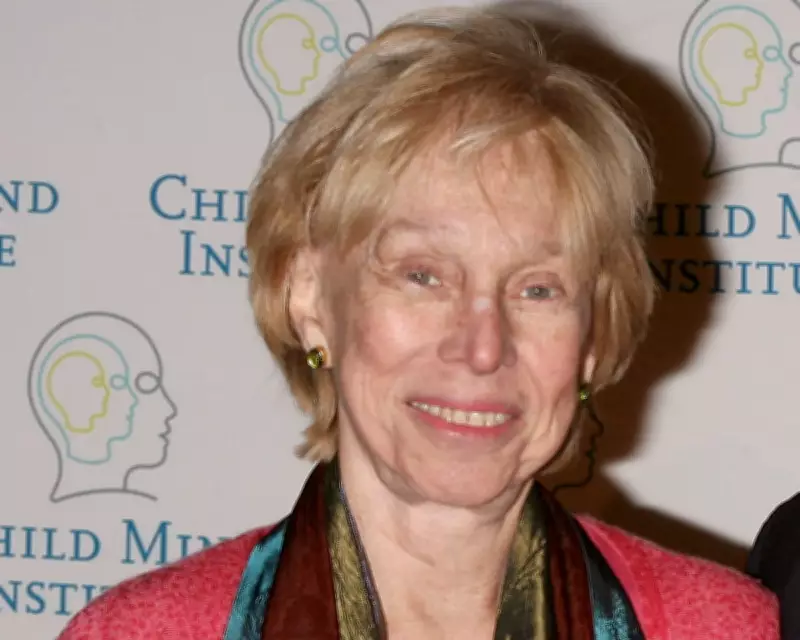
The child psychiatrist Judith Rapoport, credited with bringing obsessive-compulsive disorder (OCD) to widespread public awareness, has died at the age of 92. Her seminal work, including the influential book The Boy Who Couldn’t Stop Washing, revolutionised the understanding of OCD by highlighting its neurological basis and prevalence.
Groundbreaking Research and Public Impact
Rapoport's 1989 book, written in a jargon-free style for a non-medical audience and translated into over 20 languages, was based on her extensive research into OCD. Until its publication, many individuals with OCD suffered in silence, unaware that others experienced similar compulsions, such as repeatedly checking locks or washing hands. Rapoport demonstrated that OCD affects up to 2% of the population and has a neurological foundation, challenging earlier beliefs that linked it to strict upbringing or parenting practices.
Her work included a landmark 1989 double-blind drug trial using the antidepressant clomipramine, which led to its approval by the US Food and Drug Administration for treating OCD. This breakthrough provided a medical treatment option, shifting focus from psychoanalytic models to biological approaches in psychiatry.

Career and Contributions to Psychiatry
Born in New York City in 1933, Judith Rapoport pursued a career in medicine despite facing gender-based resentment as one of only five women in her Harvard Medical School class. After graduating in 1959, she held positions at institutions like the National Institute of Mental Health (NIMH), where she became head of the child psychiatry branch in 1984. Her research extended beyond OCD to include studies on attention deficit hyperactivity disorder and childhood schizophrenia, further advancing evidence-based practices in child psychiatry.
Rapoport published over 300 scientific papers and several medical books, earning fellowships in prestigious organisations such as the US Institute of Medicine and the American Academy of Arts and Sciences. She retired in 2017 and was appointed emeritus, leaving a legacy as a pioneer in modernising child psychiatry.
Personal Life and Legacy
Outside her professional achievements, Rapoport enjoyed music, theatre, hiking, and gardening. She is survived by her husband, Stanley Rapoport, her sons, and four grandsons. Her work continues to reduce stigma and alleviate the suffering of those with mental health conditions, as noted by colleagues like Gabrielle Shapiro, who praised her for transforming child psychiatry into a modern, evidence-based discipline.