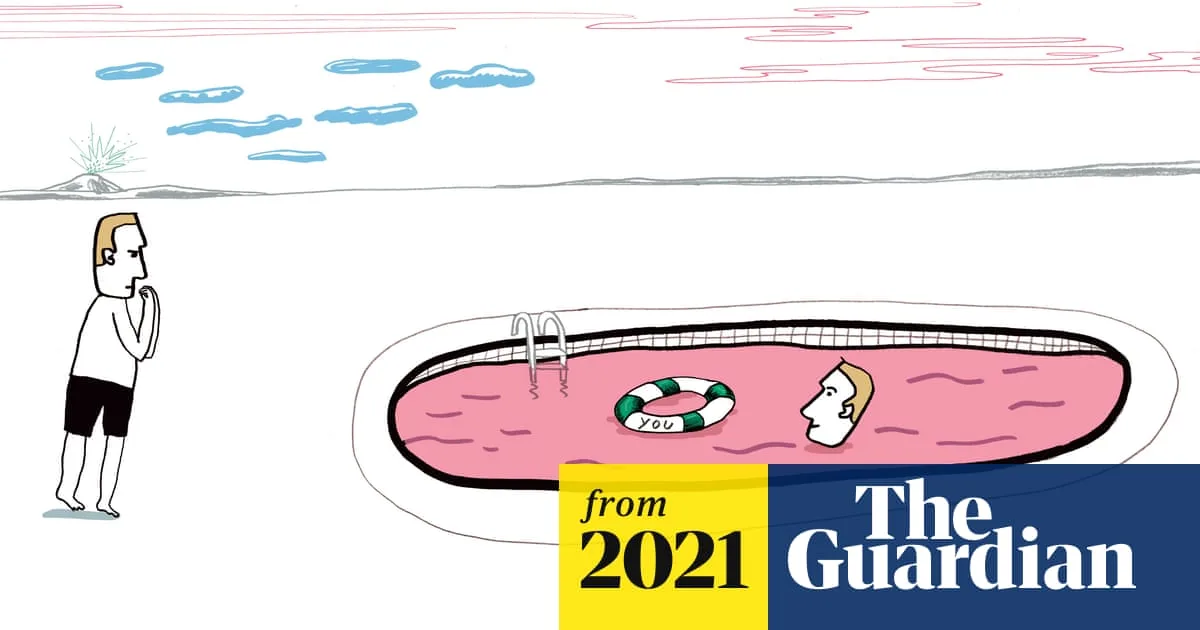
Tobyn Bell, a mental health nurse, recalls a pivotal moment when his self-compassion practice bore fruit. After a day of dwelling on perceived mistakes, a calm, kind inner voice addressed him by a childhood nickname, countering years of self-criticism. Bell had been training in self-compassion techniques during his nursing studies, and this spontaneous response demonstrated their effectiveness. 'Because I’d really practised this self-compassionate voice, it just showed up and answered,' he said. 'It felt really moving. I’d never thought that could be possible.'
Clinical psychologist Paul Gilbert, founder of the Compassionate Mind Foundation, explains that compassion involves turning towards suffering, whether in oneself or others, and taking action to alleviate it. It is not superficial self-care but a willingness to engage with pain at its source. Self-compassion, he says, is like treating yourself as a doctor would: taking your suffering seriously and helping to relieve it. Negative self-talk, he adds, is a normal feature of the human brain's evolved complexity, not a flaw. Our 'tricky' brain can dwell on thoughts like 'If only I’d …' or 'I should have …', triggering a fight-or-flight response similar to an external threat.
Deborah Lee, a consultant clinical psychologist at Berkshire Healthcare, describes self-compassion as creating a new 'knowledge landscape' to reframe pain. The first step is gaining awareness of one’s inner world: what triggers emotions, how we react, and the content of our internal monologue. 'In order for you to even see that you’ve got a self-critic, you’ve got to become a wise observer,' she said. For trauma survivors, this process can be confronting, as they may have absorbed an abuser's words into their inner dialogue. Developing self-compassion means developing insight to see oneself rather than just be oneself—a step towards feeling safe rather than traumatised.
Fostering self-compassion not only benefits individual mental health, but can also extend outward, making people more empathetic towards others. With lockdowns continuing, changing your inner monologue is a free, small step towards looking after your mental wellbeing. As Gilbert notes, 'Self-compassion is always a trade-off with self-criticism.' For those whose inner critic dominates, the result can be misery and problematic coping mechanisms. However, with practice, a kinder internal voice can emerge, offering relief and resilience.