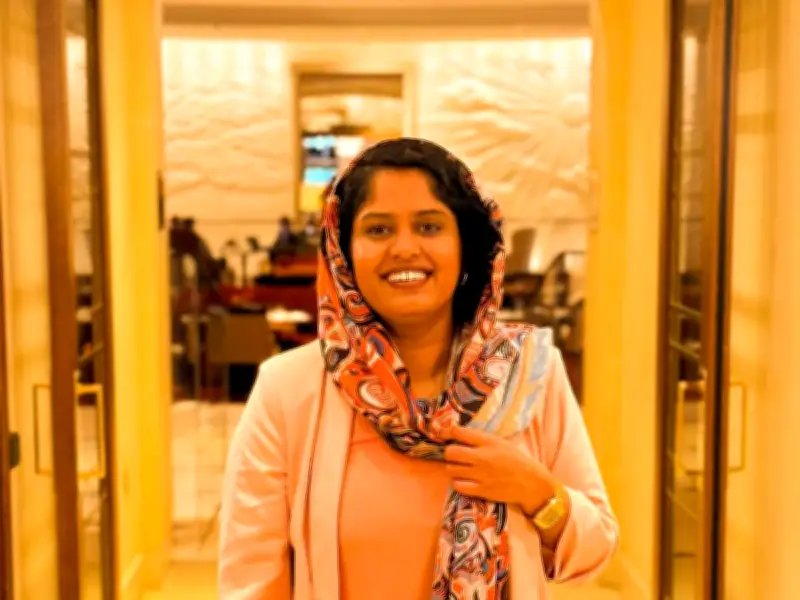
Rafiya Sherin, 30, from Preston, thought her holiday dizziness was food poisoning, but it turned out to be severe aplastic anaemia, a life-threatening condition. She is now working with blood cancer charity DKMS UK to find a stem cell donor.
Symptoms mistaken for food poisoning
Sherin returned from a trip to Egypt with friends, plagued by persistent dizziness she attributed to a bout of food poisoning she had suffered abroad. However, as her symptoms worsened to include sickness, muscle pain, fatigue, and diarrhoea, she realised something more serious was happening.
At hospital, doctors confirmed her blood levels were "dangerously" low and that her bone marrow had stopped functioning, meaning it was no longer producing new blood cells. "It's a scary prospect, as I'm a very social person," the marketing manager told creatorzine.com. "I love my work and being out and interacting with other people is an important part of who I am. The idea that I'm too ill to work or be around my friends and family has been hard to deal with."

Diagnosis and treatment
Her symptoms first emerged during her holiday in Sharm El Sheikh, Egypt, in June 2026. Following the test results, she underwent an emergency blood transfusion that same day. Ten days later, she received the devastating confirmation that she had severe aplastic anaemia, a condition that affects around 100 people every year, according to DKMS UK.
Without treatment, it is almost always fatal, with those diagnosed given just a few months to a year to live. As Sherin comes from an ethnic minority background, finding a suitable match is exceptionally rare.
Appeal for stem cell donors
She said: "Finding out about the register was a relief for me. I'm glad that it exists and that people can join to find out if they can help me or someone else in my position. But I'm also glad that I can use my story to encourage people to sign up. It's a scary diagnosis, but knowing that there is an easy, practical way that people can help, has given me a sense of purpose in my treatment."
Anyone aged 16-55 and in general good health is eligible to register. At present, just seven percent of the eligible population in the UK are signed up. Furthermore, only 16% of the register is from an ethnic minority background, leaving Sherin and others of non-white heritage with a significantly reduced chance of finding a life-saving match.
Sherin currently relies on regular blood transfusions and attends monitoring appointments multiple times each week. She said: "It would mean the world to me and my family to see lots of people register. For someone like me, and for so many others waiting for a stem cell donor, every new person who joins the register could be someone's second chance at life. I honestly don't think there's an easier way to save someone's life than this. It costs nothing financially, and, for most people, requires so little."
She added: "Even if someone isn't a match for me, they could go on to save another person and another family from going through what we're facing. Seeing our community come together with such kindness and hope would mean more than words can say."