
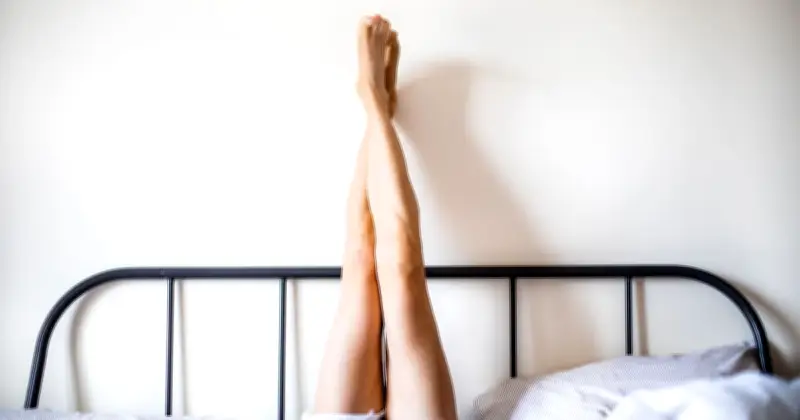
When temperatures soar, many people notice their feet, ankles, and legs feel heavier, more swollen, or uncomfortable. This is a common reaction to hot weather, but understanding why it happens can help manage the discomfort.
Why swelling occurs
“Heat causes blood vessels to expand,” says Mr Zola Mzimba, Consultant Vascular Surgeon who specialises in venous disease. “This is a natural process as the body tries to cool down and maintain a core temperature at around 37 degrees C. What happens is that blood vessels widen, or dilate, allowing more blood to flow close to the skin where excess heat can escape.”
At the same time, sweat glands become more active. As sweat evaporates, it cools the skin. However, as blood vessels dilate, fluid is more likely to leak from the bloodstream into surrounding tissues, leading to swelling particularly in the lower legs, ankles, and feet.
Why some are more affected
While some swelling is normal, people with chronic venous insufficiency (CVI) experience more pronounced swelling. “In people with CVI, where the valves inside the leg veins don’t work as efficiently as they should, heat-related swelling tends to be more pronounced,” says Mr Mzimba. “Most people don’t even know they’ve got CVI.”
The Edinburgh Vein study in Scotland randomly selected 1,566 people and found CVI surprisingly common. The Bonn Vein study in Germany found early stage chronic venous disease affects around 90% of adults. Both studies showed venous disease is usually progressive and begins before it becomes clinically obvious. Early symptoms include achy, tired legs, itching, and cramps that worsen towards the end of the day.
Varicose veins make it worse
Varicose veins also contribute to summer swelling. “Varicose veins are incredibly common,” says Mr Alastair Lewis, Consultant Vascular Surgeon specialising in varicose vein treatment. “They can develop for a variety of reasons. Spending long periods standing increases pressure inside the veins of the legs, making them more prone to becoming enlarged and twisted.”
Varicose veins cause pain, aching, throbbing, and heaviness. Blood pools in damaged veins, increasing pressure and causing fluid to leak into surrounding tissues. “It is this build-up of fluid that causes the legs and ankles to swell,” adds Mr Lewis. “Compression therapy may help prevent further complications.”
Treating the underlying problem
“If varicose veins are causing leg swelling, treating the underlying vein problem almost always leads to an improvement,” says Mr Lewis. “Although, the swelling doesn't always disappear completely. That's because the veins may have been under increased pressure for years, and the surrounding tissues can take time to recover.”
Medical-grade compression stockings can reduce swelling, ease aching and heaviness, and slow progression of venous disease. If left untreated, venous disease can damage skin, leading to venous eczema, brown staining, and in fewer than 1% of people, venous ulcers.
Surgical options
“Today, most procedures are minimally invasive keyhole treatments,” says Mr Lewis. “The most common option is endovenous laser ablation (EVLA), which uses heat to seal the faulty vein from the inside. Smaller veins can often be treated with sclerotherapy, an injection that damages the vein's inner lining so it closes down. Bulging veins can also be removed through tiny incisions in a mini phlebectomy.”
Side effects are typically mild and temporary, with some bruising, tenderness, small lumps or inflammation for a few weeks. The most significant potential complication is venous thrombosis (blood clot), occurring in fewer than 1% of patients. Those with additional risk factors receive anticoagulant medication as a precaution.
Good news
Around nine out of ten people with varicose veins never develop serious complications. “For the minority who do, early treatment and simple measures such as compression stockings can significantly reduce symptoms and help prevent progression,” says Mr Lewis. “Many people also choose treatment simply because they dislike the appearance of their veins.” Age is a major factor, and women are more likely to develop varicose veins than men, partly due to hormonal changes. Pregnancy can accelerate the process.
Supporting circulation and leg health
Exercise regularly: “Regular movement is crucial for healthy circulation,” says Mr Mzimba. “Your veins contain one-way valves that stop blood flowing backwards, but they also depend on the calf muscle pump. Every time you walk, your calf muscles contract and squeeze the veins, pushing blood upwards. If you're not moving, you're not using your calf pump. Standing still or sitting for long periods increases swelling.”
Watch your diet: “Excess sugar, processed foods and alcohol can increase inflammation and make swelling feel worse,” says Mr Lewis.
Elevate your legs: Lying down with legs elevated reduces pressure inside veins.
Stay hydrated: Not drinking enough fluids can contribute to muscle cramps, particularly in people with venous insufficiency. Hot weather increases risk of electrolyte imbalances, which may trigger night-time leg cramps.
When travelling: Get up and walk regularly on planes or trains; do ankle circles and heel raises while seated; compression stockings can help reduce swelling.
When to see a doctor
“Visible veins alone aren't always a reason for treatment,” says Mr Lewis. “But, if you're experiencing aching, throbbing, heaviness, tired legs, swelling or worsening symptoms – it's worth getting your veins assessed by a specialist.”




