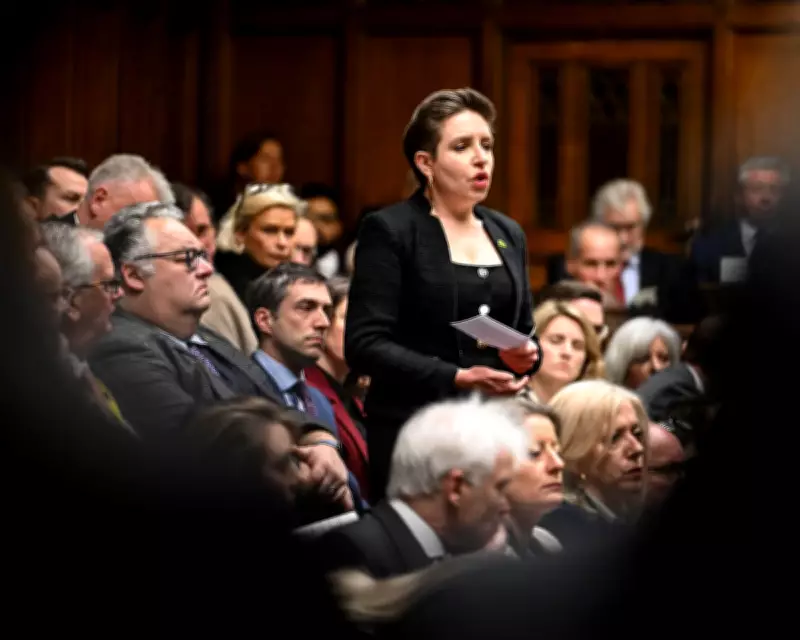
The Bristol Central MP, Carla Denyer, has announced she is taking time out due to burnout. The former Green party co-leader cited health issues and advised by her doctor to rest. While many MPs from rival parties offered support, the move sparked online criticism, with some questioning why politicians cannot handle emails when nurses and teachers persist. However, mental health issues are the top cause of sick leave in the NHS, and teachers report high work-related stress, suggesting Denyer's call for an open conversation is timely.
The Reality of Burnout
Burnout, first identified in the 1970s, describes stress combined with high dedication in caring roles. It involves exhaustion, moral injury, and anxiety over responsibilities. While 76% of people report feeling burnt out at work, clinical burnout is more severe—dreading work, panic attacks, and detachment. Denyer's situation reflects the pressures of being an MP, which combines legislative, campaign, and social work roles. Constituents often bring desperate cases: housing crises, child welfare, deportation threats, or mold-infested homes. MPs can sometimes help, but often face bureaucratic barriers.
Systemic Solutions Needed
The World Health Organization defines burnout as chronic workplace stress that is not managed. Better training and resources for managers could help, but many face stress from unpaid caregiving or crises beyond employer control. Sick leave must be properly paid, and carers need funded respite. Denyer's honesty is commendable, but stigma is not the only barrier—structural support is essential. When she returns, a vital conversation about workplace well-being awaits.