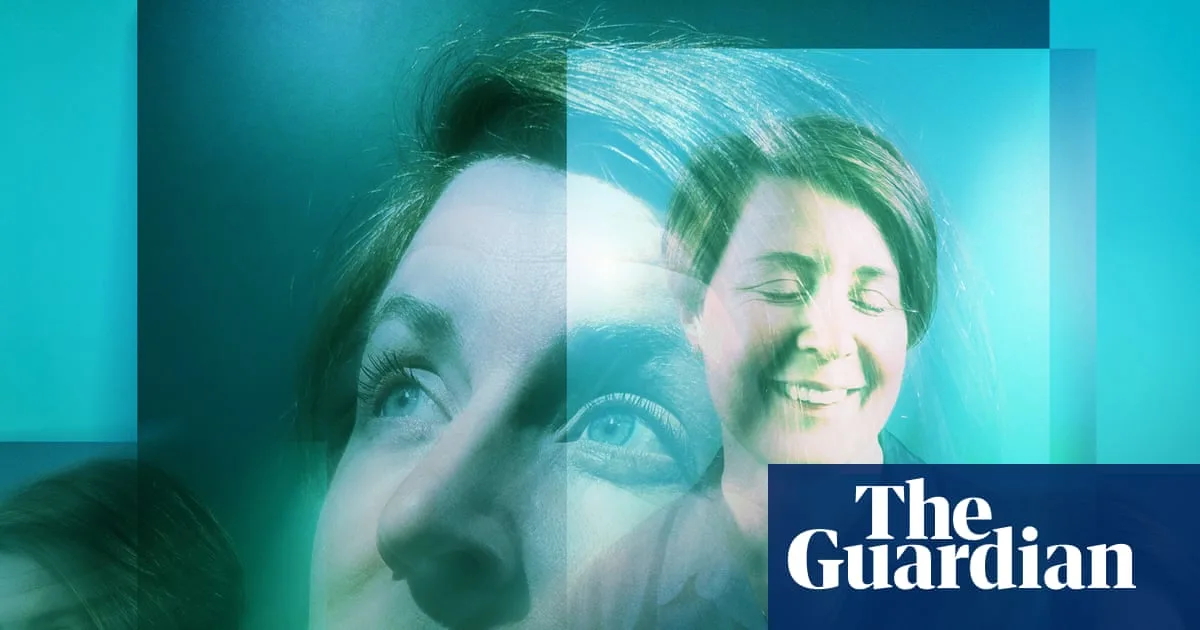
Psychologist Leanne ten Brinke has spent decades studying toxic personality traits such as psychopathy, narcissism, Machiavellianism and sadism. She warns that these traits are not confined to criminals but appear in all aspects of life, from politics to business to the media. Ten Brinke, now an associate professor at the University of British Columbia, says that people with these traits can be found in families, neighbourhoods, workplaces, schools, and even leading institutions and countries.
Ten Brinke's interest in psychopathy began after a disturbing encounter early in her career. While volunteering at a parole office in Halifax, Canada, she attended group meetings for released sex offenders. Most showed contrition, but one rapist stared at her and said how much his victim looked like her, adding that she was 'his type'. The experience put her off working with convicted criminals, but she remained fascinated by 'dark personalities'.
Psychopathy and other personality disorders are now thought to exist on a continuum. It is estimated that 1% of the general population have clinical levels of psychopathy, while up to 18% have elevated levels. Within prisons, about 20% of inmates are clinical psychopaths. These individuals are particularly persuasive and often convince parole boards to release them, despite being the most dangerous and likely to reoffend.

Ten Brinke's new book, Poisonous People: How to Resist Them and Improve Your Life, explores how to recognise and handle such individuals. She notes that both nature and nurture play a role in developing these traits, and early intervention for children with callous unemotional traits can be effective. For adults, treatment can change behaviour but not personality, and programmes in criminal justice settings have shown success in reducing recidivism.