
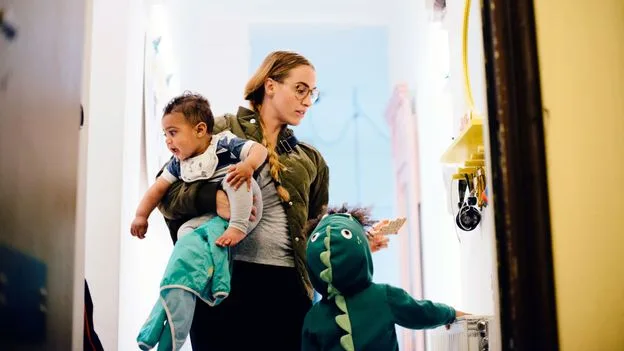
New research reveals that women in heterosexual relationships perform far more cognitive and emotional labour than men when it comes to household responsibilities. This hidden work, which includes organising playdates, booking medical appointments, and worrying about children's schooling, often goes unnoticed but has significant impacts on mothers' wellbeing.
Experts identify three overlapping categories of this behind-the-scenes labour: cognitive labour (planning and organising practical tasks), emotional labour (maintaining family emotions), and the mental load (the intersection of both). Studies show that even in couples who believe they have achieved an equal division of tasks, women still bear the brunt of this invisible work.
Harvard researcher Allison Daminger found that mothers do more in all four stages of mental work: anticipating needs, identifying options, deciding among options, and monitoring results. While parents often make decisions together, mothers put in the legwork around them, acting as 'project managers' for the household.
This constant mental load causes additional stress, as it is always present even when women should be focusing on other things. 'The mental load is that thread that brings the family into your work life,' says Leah Ruppanner, associate professor of sociology at the University of Melbourne. 'You're always trying to mitigate future risk.'
Understanding this hidden labour could help couples redistribute work more equally, potentially lightening mothers' load and addressing stalled progress on gender equality.




