Hearing loss becomes more common with age, and it can affect quality of life and social interaction. Some causes are treatable, and hearing may improve after treatment. If the loss is permanent, hearing aids and other support may help communication.
Recognising the signs of hearing loss
Hearing loss does not always mean everything sounds quieter. You may hear someone speaking but find it hard to make out words, especially with background noise. Telephone calls or group conversations may also be difficult to follow.
Other signs include asking people to repeat themselves, feeling they are mumbling, or turning up the television to a level others find too loud. Some people start avoiding situations where hearing is difficult.
Why hearing changes with age
Age-related hearing loss usually develops slowly and affects both ears. Changes in the inner ear can make it harder to detect sounds and understand speech. Long-term exposure to loud noise can also contribute.
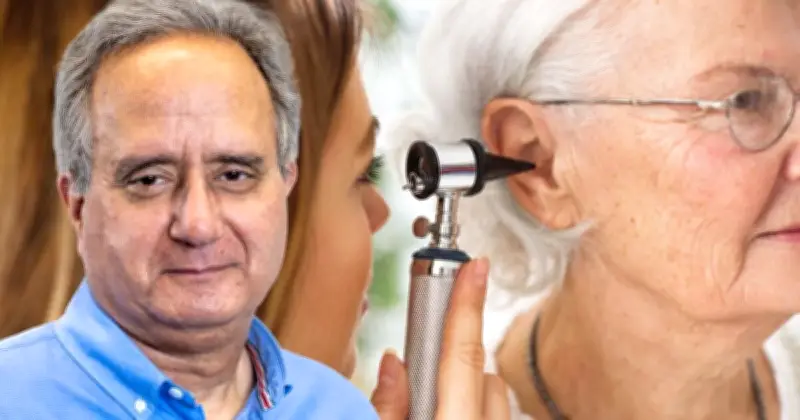
But hearing problems in older people are not always due to ageing. Earwax or an ear infection may temporarily reduce hearing, and hearing may improve once the underlying problem is treated. An ear examination and a hearing test can help identify the cause.
When to get hearing checked
If your hearing suddenly becomes worse, contact your GP or NHS 111, even if only one ear is affected or it feels blocked. Do not wait for a routine test. Some causes need prompt treatment for the best chance of recovery.
Seek advice if hearing deteriorates over several days or weeks, or if hearing loss comes with ear pain or fluid from the ear. For gradual difficulties, make a GP appointment. The GP can examine the ears and may refer you to an audiologist. Some opticians and pharmacies also offer hearing tests.
Treatments and hearing aids
Treatment depends on the cause. Earwax may be treated with drops or removed by a trained professional using microsuction or irrigation. Some ear infections may need antibiotics. For permanent loss, hearing aids can make speech and everyday sounds easier to hear, but they do not restore normal hearing. NHS hearing aids are available on a free long-term loan. If choosing private care, ask about the full cost, including follow-ups and repairs.
Some people whose hearing loss is not adequately helped by hearing aids may benefit from a hearing implant, and a specialist can assess suitability.
Making communication easier
Small changes can help: choose a quieter place to talk, ensure good lighting to see the other person's face, and explain what helps, such as speaking clearly or writing down important information. Family and friends can help by getting your attention before speaking and allowing one person to speak at a time. Subtitles, telephone amplifiers, and flashing or vibrating alarms may also be useful.
Protect your hearing around loud sounds, and avoid inserting cotton buds into your ears, as they can push earwax further in or cause injury.
You do not need to wait until hearing difficulties become severe. Arrange an assessment with your GP or book a hearing test, and discuss any concerns about treatment or hearing aids. Getting the right support can help you stay involved in conversations and activities you enjoy.