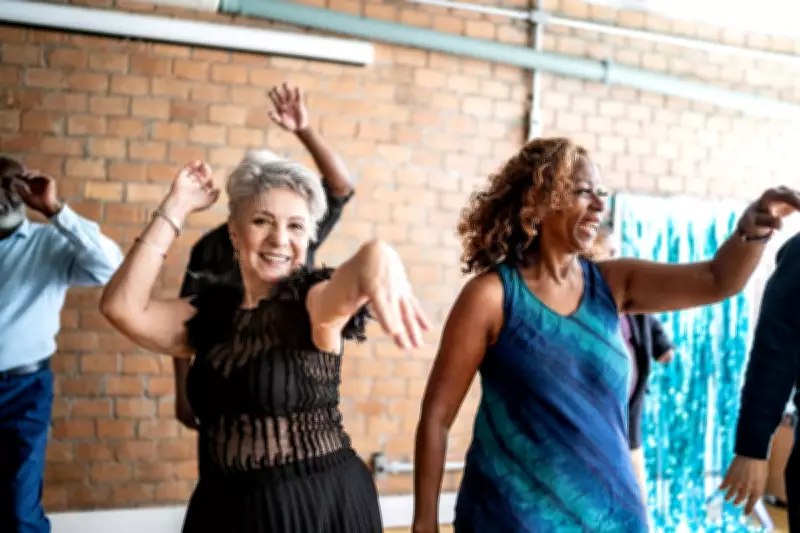
Online Dance Classes Shown to Reduce Fall Risk for Older Women
New research highlights how simple online dance exercises can significantly reduce the risk of falls among older women, addressing a major health concern. With only four per cent of older Canadian women meeting daily physical activity guidelines, innovative solutions are crucial. A study conducted by Concordia University demonstrates that virtual dance classes offer an engaging and effective method to enhance balance and strength.
The Science Behind Dance and Balance
Dance serves as a fun "exercise in disguise," combining social interaction, mood improvement, and cognitive benefits with physical gains. It is particularly effective for balance training because learning dance steps requires precise movements, boosting proprioception—the body's awareness of its position in space. This enhances postural stability, which is vital for preventing falls.
Postural stability involves the ability to remain upright and control body position, relying on sensory systems like vision, inner ear function, and touch. As people age, these systems decline, leading to increased sway and higher fall risk. Traditional in-person dance classes have shown benefits but often face accessibility barriers such as transportation issues, caregiver responsibilities, and limited availability in rural areas.

Study Findings and Methodology
Published in the International Journal of Exercise Science, the research involved women aged 65 and older from Montréal. Participants attended 75-minute online ballet-modern inspired classes twice weekly for 12 weeks via Zoom. Each session included a warm-up, exercises like pliés and tendus, and cool-down stretches, focusing on weight transfer, single-leg balance, and core engagement.
Assessments conducted before, during, and after the program revealed significant improvements. Within six weeks, participants showed reduced side-to-side sway and better dynamic balance. By the end, calf strength increased, measured by heel-raises in 30 seconds. These gains translate to easier daily activities, such as walking or household chores.
Accessibility and Future Directions
Online dance classes provide a vital solution for reaching underserved populations, including those in remote locations, caregivers, and individuals facing winter hazards. They offer social interaction and creative expression from home, extending benefits beyond physical health. Current studies are exploring different dance styles and blood flow restriction training to cater to diverse interests and mobility needs.
The program has already reached older women across Canada, Mexico, Colombia, and Spain, promoting active and independent living. As society returns to in-person activities, the value of online access remains clear, helping people connect, socialize, and improve balance safely.