Online Dance Classes Reduce Fall Risk for Older Women, Study Finds
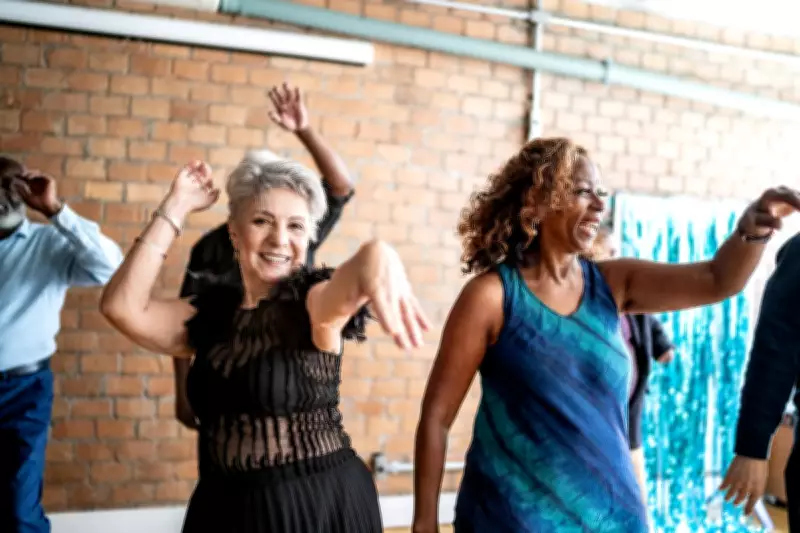
Research published in the International Journal of Exercise Science demonstrates that online dance classes can significantly lower the risk of falls among older women. The study, conducted by health and exercise science experts, involved women aged 65 and above participating in 75-minute ballet-modern inspired sessions twice per week over 12 weeks via Zoom.
Falls are a major cause of injuries in older adults, yet only four per cent of older Canadian women engage in 30 minutes of daily physical activity. This highlights a critical need for accessible and enjoyable exercise options. Dance serves as an effective "exercise in disguise," offering benefits such as improved mood, social connections, and cognitive function, alongside enhancements in mobility and endurance.
How Dance Enhances Postural Stability
Postural stability, the ability to maintain an upright position and control body movement, relies on sensory systems including vision, inner ear functions, and somatosensory feedback. With age, these systems decline, increasing sway and fall risk. Dance training improves proprioception—the body's awareness of its position in space—through precise movements like pliés and tendus, which require weight transfers and balancing on one leg.

In the study, participants showed measurable improvements within six weeks, including reduced mediolateral sway and better dynamic balance. By the program's end, calf muscle strength increased, assessed by heel-raises in 30 seconds. These gains translate to easier daily activities such as walking or stepping down from curbs.
Overcoming Barriers with Online Access
Traditional in-person dance classes often face accessibility issues due to transportation limitations, caregiver responsibilities, or lack of specialized instructors in smaller towns. Online classes eliminate these barriers, providing a safe and convenient option for older women, especially in remote areas or during harsh weather conditions. Each session included a helper for technical support and safety monitoring, ensuring a secure environment.
The classes featured a structured routine: a 15-minute warm-up, exercises like balancé sequences and modern-dance moves emphasizing fall recovery, and cooling-down stretches. This design targets core and leg muscles, crucial for stability.
Future Directions and Global Impact
Current research explores combining online dance with blood flow restriction training to cater to diverse mobility needs and interests. The program has already reached women across Canada, Mexico, Colombia, and Spain, promoting active and independent lifestyles. As society returns to in-person activities, the study underscores the lasting value of online platforms in fostering socialization, creativity, and health improvements from home.
In summary, online dance classes offer a fun, accessible solution to reduce fall risk in older women, enhancing postural stability and strength through engaging, community-focused exercise.