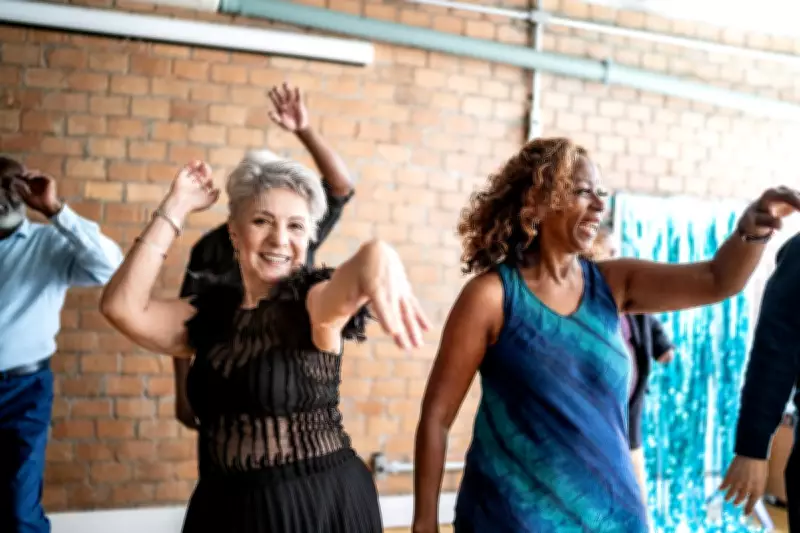
Online Dance Classes Reduce Fall Risk for Older Women Through Balance Training
New research demonstrates that simple online dance classes can significantly reduce the risk of falls for older women by improving their balance and strength. A study published in the International Journal of Exercise Science reveals that women aged 65 and over who participated in twice-weekly virtual dance sessions showed measurable improvements in postural stability within just six weeks.
The Accessibility Challenge in Fall Prevention
Falls represent a major cause of injuries among older adults, yet only four percent of older Canadian women complete the recommended thirty minutes of daily physical activity. Traditional in-person exercise programs often face significant accessibility barriers including transportation limitations, caregiver responsibilities, and geographical constraints. Many specialized dance instructors are concentrated in urban dance hubs, leaving those in remote areas without options.
Online dance classes offer a practical solution to these challenges, bringing structured exercise directly into homes. The research team, led by Concordia University PhD candidate Emma Hsiaowen Chen alongside Andreas Bergdahl and Mary Roberts, developed a twelve-week program specifically designed to address balance deficiencies through accessible virtual platforms.

The Science Behind Dance as Balance Training
Dance serves as an ideal form of balance training because learning various dance steps requires precise movement control, which enhances proprioception—our perception of body movement and position in space. This improvement in body awareness directly contributes to better postural stability, the ability to stay upright and control body position.
With aging, postural stability naturally declines as sensory systems experience changes. Researchers measure this decline by observing how much individuals sway while standing still. Increased sway indicates reduced stability and higher fall risk. The study's participants showed reduced mediolateral sway (side-to-side movement) after just six weeks of training.
Program Structure and Measurable Results
The research recruited women from Montréal aged sixty-five and older to participate in seventy-five-minute ballet-modern inspired classes twice weekly for twelve weeks via Zoom. Each session included a fifteen-minute warm-up followed by specific exercises:
- Pliés (knee bends)
- Tendus (single-leg extensions)
- Balancé sequences (traveling waltz steps)
- Jose Limón/Martha Graham modern dance sequences emphasizing fall recovery
- Cooling-down with seated stretches
These exercises were specifically selected for their emphasis on weight transfer, single-leg balancing, off-center movements, and engagement of leg and core muscles. A technical assistant monitored each session to ensure participant safety and provide support.
Participants underwent in-person assessments before the program, at the six-week midpoint, and upon completion. Results showed not only reduced sway but also improved dynamic balance and increased calf muscle strength, measured by the number of heel-raises completed in thirty seconds.
Real-World Benefits and Future Applications
These improvements translate directly to daily activities requiring weight transfer, including walking, stepping down from curbs, and household chores like sweeping. Beyond physical benefits, online programs provide social connection opportunities and creative expression from home—particularly valuable for those in remote locations, caregivers with limited time, or individuals concerned about winter ice hazards.
The research team is now exploring how different dance styles combined with blood flow restriction training can benefit older adults with varying mobility needs. Their program has already reached participants across Canada, Mexico, Colombia, and Spain, demonstrating the global potential of accessible online exercise solutions.

While many have returned to in-person activities post-pandemic, this research highlights the enduring value of virtual programming. Bringing the dance studio home continues to offer meaningful opportunities for connection, socialization, and—most importantly—improved balance that reduces fall risk for older women.