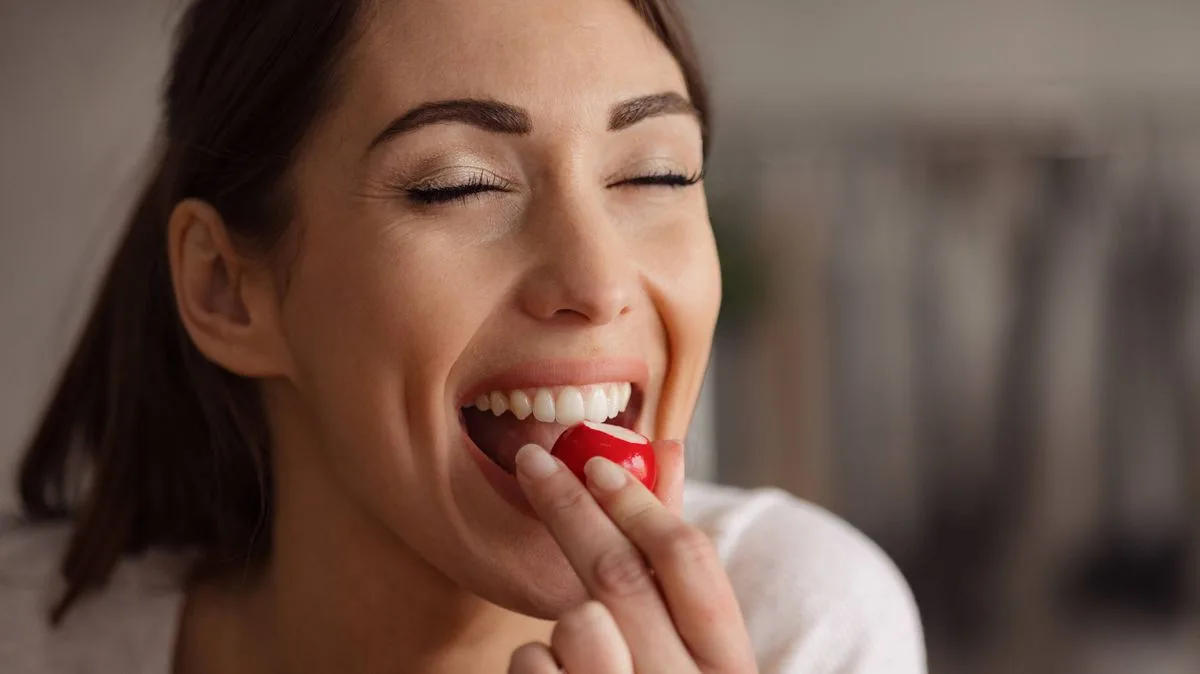
Two Foods Identified by Cardiologists That Lower Cholesterol Like Statins
Two Foods Lower Cholesterol Similar to Statins

Cardiologists Identify Two Foods That Lower Cholesterol 'Similar to Statins'

Heart specialists from the British Heart Foundation have highlighted two specific foods that research indicates can help reduce cholesterol levels in a manner comparable to statin medications. This discovery offers promising natural alternatives for individuals seeking to manage their heart health through dietary means.

Understanding Cholesterol: The Good and The Bad

Cholesterol exists in two primary forms that play crucial roles in cardiovascular health. Low-density lipoprotein (LDL), often termed 'bad' cholesterol, transports cholesterol from the liver throughout the body. Elevated LDL levels can lead to the formation of fatty plaques within arterial walls, potentially restricting blood flow and increasing the risk of heart attacks, strokes, and peripheral artery disease.

High-density lipoprotein (HDL), known as 'good' cholesterol, performs the opposite function by carrying cholesterol back to the liver for breakdown and elimination. Maintaining a healthy balance between these cholesterol types is essential for preventing serious circulatory problems and related conditions such as hypertension and diabetes.

Wide Pickt banner — collaborative shopping lists app for Telegram, phone mockup with grocery list

How Foods Can Mimic Statin Effects

Certain foods contain natural compounds that influence cholesterol metabolism through mechanisms similar to pharmaceutical statins. While statins work by inhibiting the HMG-CoA reductase enzyme in the liver to reduce cholesterol production, specific dietary components can help the liver remove more cholesterol from the bloodstream to produce bile acids.

It's important to note that no single food can match the effectiveness of prescribed statin medications for cholesterol reduction. However, incorporating these beneficial foods into a comprehensive heart health strategy that includes regular exercise, weight management, and medical supervision can provide significant complementary benefits.

The Power of Oats and Beta-Glucan

Recent research from the University of Bonn demonstrates that consuming oats for just two days can significantly impact cholesterol levels. Oats are particularly rich in a soluble fiber called beta-glucan, which forms a gel-like substance in the digestive system that traps cholesterol-rich bile acids and prevents their absorption into the bloodstream.

This process forces the liver to extract more cholesterol from circulating blood to produce new bile, effectively reducing LDL cholesterol levels. A comprehensive review of 58 controlled trials published in the British Journal of Nutrition found that middle-aged individuals who consumed 3.5 grams of beta-glucan daily from oat products experienced a 4.2% reduction in LDL cholesterol over three to twelve weeks compared to control groups.

The Food and Drug Administration recommends a daily intake of 3 grams of oat beta-glucan to help lower LDL cholesterol levels. Practical ways to incorporate oats into your diet include:

  • Enjoying a warm bowl of porridge for breakfast
  • Adding oats to baked goods and desserts
  • Incorporating oats into soups and casseroles for added nutrition

The British Heart Foundation notes that a 40-gram serving of porridge oats contains approximately 2 grams of beta-glucan, while a 250-milliliter glass of oat milk provides about 1 gram.

Plant Sterols and Stanols: Nature's Cholesterol Competitors

Certain fortified foods including margarines, milks, and yoghurts contain added plant sterols and stanols (phytosterols) that have demonstrated cholesterol-lowering properties. These compounds structurally resemble cholesterol, allowing them to compete for absorption in the intestines and thereby reduce the amount of dietary cholesterol that enters the bloodstream.

A thorough analysis of 124 studies published in the British Journal of Nutrition revealed that consuming up to 3.3 grams of phytosterols daily can gradually decrease LDL cholesterol by 6% to 12% over approximately four weeks. While small amounts of phytosterols occur naturally in fruits, vegetables, nuts, and vegetable oils, the typical daily intake from these sources falls below 600 milligrams—significantly less than the effective 2-gram dose available from fortified products.

Pickt after-article banner — collaborative shopping lists app with family illustration

The Association of UK Dietitians confirms that consuming around 2 grams of plant stanols and sterols daily, alongside a healthy diet, can help reduce blood cholesterol levels. However, the British Heart Foundation emphasizes that while these compounds lower cholesterol, clinical trials haven't yet demonstrated they reduce heart attack and stroke risk—unlike statins, which have proven benefits for both cholesterol reduction and cardiovascular risk.

Integrating Dietary Approaches with Medical Treatment

Both oats and plant sterols/stanols offer valuable natural approaches to cholesterol management that can complement prescribed statin therapy. These foods work through different but complementary mechanisms: oats primarily through bile acid binding and plant sterols through absorption competition.

Healthcare professionals stress the importance of consulting with your GP or a registered dietitian before making significant dietary changes, particularly if you have existing health conditions or take medications. A comprehensive approach to cholesterol management should include:

  1. Following prescribed statin regimens as directed by your doctor
  2. Incorporating cholesterol-lowering foods like oats and plant sterols
  3. Maintaining a balanced diet rich in unsaturated fats from sources like nuts, seeds, avocados, and oily fish
  4. Engaging in regular physical activity
  5. Avoiding smoking and maintaining a healthy weight

While statins remain the most effective medication for reducing LDL cholesterol and overall cardiovascular risk, these dietary interventions provide valuable additional tools for supporting heart health through natural means.




