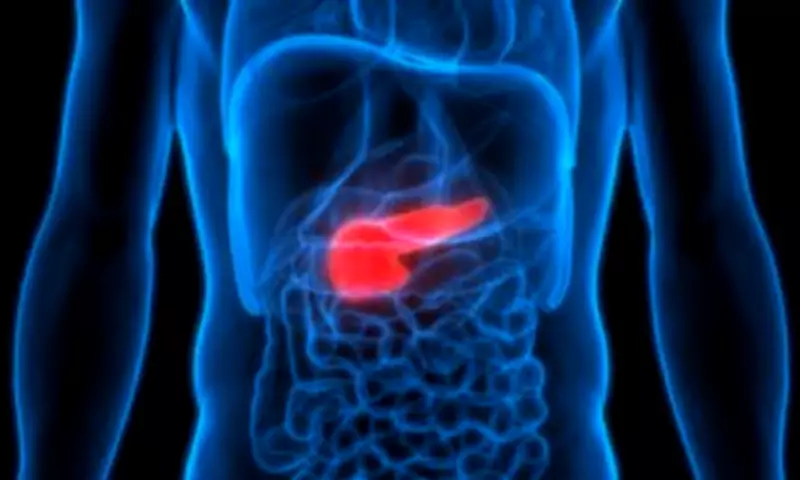
A revolutionary new drug for pancreatic cancer has demonstrated the potential to double survival rates and reduce the risk of death by more than a third, igniting hope for thousands of patients across the globe. Pancreatic cancer is notorious for having some of the lowest survival statistics among all cancers, with merely around 10 percent of patients in Britain surviving beyond one year post-diagnosis.
Breakthrough Clinical Trial Results
Researchers from Northwestern University in Illinois, United States, have developed a drug named elraglusib, which exhibited highly promising outcomes in a recent clinical trial when used alongside standard chemotherapy. The study, detailed in the prestigious journal Nature Medicine, involved 233 patients with metastatic pancreatic cancer from North America and Europe, meaning the disease had already disseminated to other body regions.
Participants were randomly allocated to receive either standard chemotherapy alone or chemotherapy combined with elraglusib. The findings revealed that patients administered the new drug were twice as likely to be alive after one year compared to those on chemotherapy alone. Specifically, 44 percent of patients given elraglusib survived past one year, versus only 22 percent in the chemotherapy-only cohort.

Significant Survival Improvements
Patients receiving elraglusib lived for an average of 10.1 months, a notable increase from the 7.2 months observed in those treated solely with chemotherapy. Moreover, the drug reduced the overall risk of death by 38 percent. After two years, 13 percent of individuals taking elraglusib remained alive, while no patients in the chemotherapy-only group survived that duration.
Dr. Devalingam Mahalingam, professor of medicine at Northwestern University and the study's lead author, commented: 'Pancreatic cancer remains one of the most challenging solid tumours to treat, but these findings provide cautious optimism for patients. While these results will need to be confirmed in phase three trials, observing survival benefit in such a difficult-to-treat cancer is encouraging.'
Side Effects and Broader Implications
Side effects were generally comparable to those associated with chemotherapy, though slightly more frequent in the elraglusib group. These included low white blood cell counts, fatigue, and temporary vision alterations, all reported as reversible. Dr. Mahalingam also suggested that elraglusib could potentially have a wider impact in treating other tumour types beyond pancreatic cancer.
The Silent Nature of Pancreatic Cancer
Pancreatic cancer typically develops without clear warning signs, often only detected after it has spread, leading to a bleak prognosis. The pancreas, a small gland situated deep behind the stomach, is crucial for digestion and blood sugar regulation, but its location allows tumours to grow undetected for extended periods.
By the time symptoms like weight loss, abdominal pain, or jaundice emerge, the cancer has frequently metastasized, limiting curative treatment options. Risk factors such as smoking, obesity, alcohol consumption, and poor diet contribute to the disease, largely by promoting chronic inflammation and disrupting insulin levels.
Personal Stories from the Trial
Families of participants expressed that involvement in the trial provided their loved ones with a sense of purpose. Donna Husar, 65, from Illinois, shared that her late husband Matthew opted to participate shortly after his diagnosis. His daughter, Madeline, 29, stated: 'When you read about pancreatic cancer online, it's terrifying. But knowing there was research and a trial gave us something positive to focus on instead of stressing about the worst-case scenarios.'
Maria Lepowsky, 75, from Wisconsin, noted that the trial experience for her late husband Robert Brightman, who participated for about two years, enhanced his quality of life as well as extending it. She said: 'My husband believed in helping future patients. Inevitably, there were some serious side effects, but nonetheless, for most of the treatment period, he was able to take the 151 bus to Northwestern Medicine on his own to the clinic. That was really important to him.'

Hope for Future Patients
These findings are poised to bring renewed hope to those affected by pancreatic cancer, which ranks as the 10th most common cancer in Britain, with approximately 11,000 new cases diagnosed annually. It currently stands as the fifth leading cause of cancer death, accounting for nearly 10,000 fatalities each year. The development of elraglusib marks a significant step forward in the battle against this formidable disease, offering a beacon of optimism for improved survival and quality of life.