Millions of Britons could be unknowingly living with high blood pressure, a condition a cardiologist has called a 'silent killer' linked to more than half of all strokes. With World Stroke Day falling on October 29, the doctor is urging people to carry out one straightforward check that could prove life-saving.
The hidden danger of high blood pressure
High blood pressure frequently presents no symptoms whatsoever, yet it remains one of the most significant risk factors for stroke. The NHS estimates that approximately 4.1 million people across the UK are unaware they have high blood pressure, while the World Stroke Organisation states that the condition is associated with more than half of all strokes globally.
Despite rarely producing any obvious warning signs, high blood pressure inflicts serious damage upon blood vessels, leaving them increasingly susceptible to narrowing, blockages or rupture. Dr Francesco Lo Monaco, consultant cardiologist and founder of the National Longevity Clinic, highlighted the absence of symptoms as one of the gravest dangers posed by the condition.
He said: "High blood pressure is one of the most important risk factors we can identify and treat to reduce the risk of stroke. The difficulty is that many people assume they are healthy because they feel well."
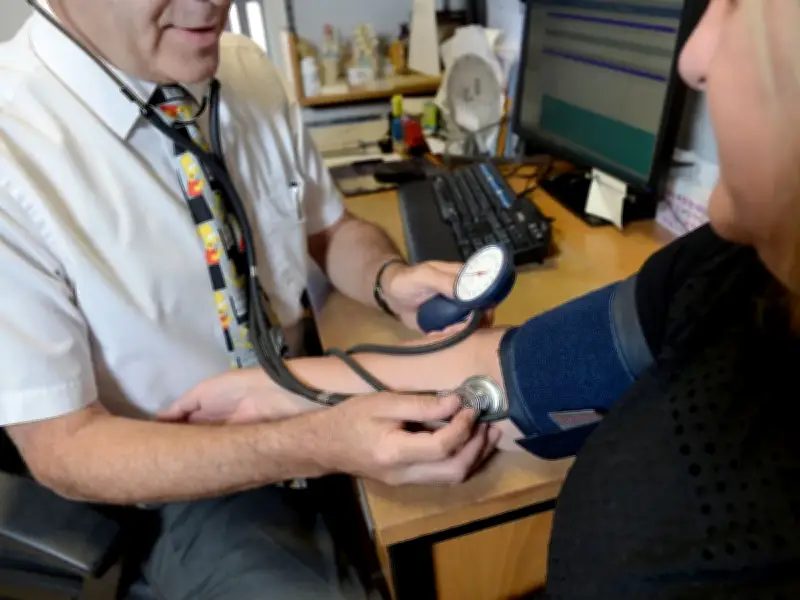
"You cannot reliably tell whether your blood pressure is high by how you feel. Someone can be active, appear healthy and have no symptoms at all, yet still have elevated readings that need attention. That is why checking your blood pressure is such a simple but important step in protecting your long-term health."
What does high blood pressure do to your body?
Blood pressure gauges the force of blood pressing against the walls of your arteries. Should it remain excessively elevated, it places additional strain on the blood vessels supplying the heart, brain, kidneys and other vital organs. Over time, this can lead to deterioration and disease within the arteries.
A stroke may occur when a blood clot obstructs the blood supply to part of the brain, or when a blood vessel bursts and triggers bleeding. Dr Lo Monaco said: "Stroke is not simply an issue that appears out of nowhere in old age. The risks can build over many years, which is why prevention matters well before someone develops symptoms."
"Blood pressure is only one part of the picture. Cholesterol, diabetes, smoking, alcohol intake, physical activity, diet and family history can all influence cardiovascular risk. Looking at these factors together gives us a better understanding of where someone may need to make changes or seek treatment."
How to monitor and manage your readings
A cardiologist outlined how to monitor your readings and safeguard your long-term health, including lowering your risk of stroke, advising that the first step is to have your blood pressure checked. In the UK, a reading of 140/90mmHg or higher in a clinical setting, or 135/85mmHg or higher when taken at home, is typically regarded as elevated.
A single measurement does not necessarily confirm a diagnosis, so a GP may suggest repeated checks or home monitoring. Consuming a balanced diet rich in fruit and vegetables, reducing salt intake, exercising regularly, avoiding smoking and maintaining alcohol consumption within recommended guidelines can all contribute to healthy blood pressure levels. Medication may also be required, depending on an individual's readings and overall risk.
Dr Lo Monaco added: "The most effective approach is not to focus on one magic food or supplement. It is about understanding your individual risk, checking your blood pressure and cholesterol, and addressing problems early."
"If you discover that your blood pressure is high, do not panic - but do not ignore it either. Speak to a healthcare professional about what your results mean and whether lifestyle changes, medication or both are appropriate."
Know the warning signs of stroke
Even with preventative measures, strokes can still occur. The NHS advises remembering the FAST test: Face - has one side of the face drooped? Arms - can the person raise both arms and keep them raised? Speech - is their speech slurred or unusual? Time - call 999 immediately if you notice any of these signs.
Other sudden symptoms can include loss of vision, weakness or numbness, confusion, dizziness or a severe headache. Do not wait to see whether symptoms improve.