
A new study has found that microplastics may increase the risk of heart disease, particularly in men. The research, published in the journal Environment International, provides some of the strongest evidence yet that these tiny plastic particles could directly contribute to cardiovascular disease.
Scientists at the University of California, Riverside, fed mice genetically prone to atherosclerosis a low-fat, low-cholesterol diet, but added microplastics at doses equivalent to about 10mg per kilogram of body weight. Over nine weeks, the male mice showed a 63% increase in plaque build-up in the main artery connected to the heart, and a more than sevenfold increase in the brachiocephalic artery. Female mice, however, did not experience a significant rise in plaque formation.
The study found that microplastics interfered with the behaviour and balance of several cell types in the arteries, with endothelial cells—which line blood vessels—being the most affected. “Their dysfunction can initiate inflammation and plaque formation,” said Professor Changcheng Zhou, lead author of the study.
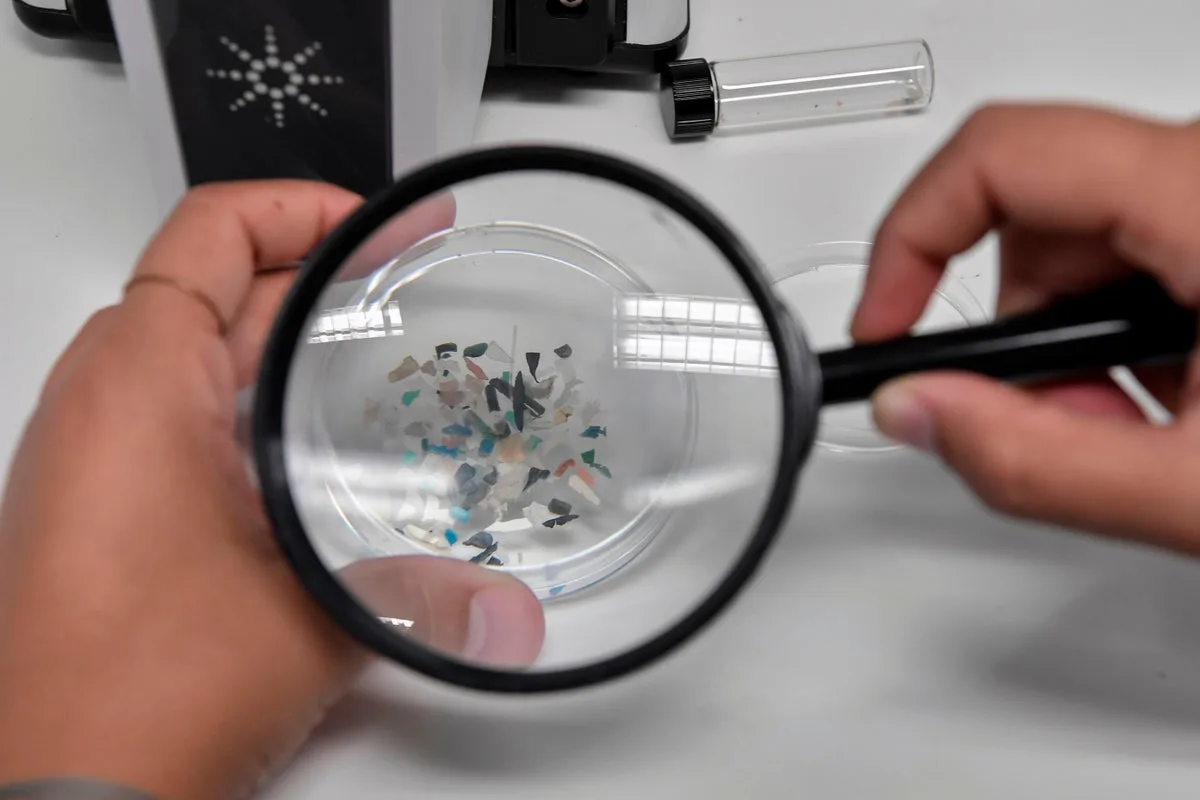
Microplastics, ranging from one thousandth of a millimetre to five millimetres in size, are ubiquitous in food, water, and air. They have been linked to hormonal disruption, impaired reproduction, neurological damage, and cancer, but the direct role in heart disease has been unclear. “Our study provides some of the strongest evidence thus far that microplastics may directly contribute to cardiovascular disease, not just correlate with it,” said Professor Zhou.
The researchers are now investigating why male mice appear more susceptible to artery damage from microplastics and whether this sex difference applies to humans. “It’s nearly impossible to avoid microplastics completely,” Professor Zhou added. “As microplastic pollution continues to rise worldwide, understanding its impacts on human health, including heart disease, is becoming more urgent than ever.”




