Revolutionary Heart Implant Switches Fuel Source to Boost Cardiac Function
An innovative implant, comparable in size to a wristwatch, delivers targeted electric pulses to the heart, offering new hope for thousands grappling with heart failure. This groundbreaking device operates by ingeniously altering the organ's primary fuel source, leading to significant functional improvements.
The Science of Cardiac Fuel Switching
In healthy individuals, the heart predominantly utilises fat as its energy source. This metabolic preference enables efficient operation and robust blood pumping throughout the body. However, heart failure—often resulting from heart attacks, hypertension, or valve defects—triggers a detrimental shift. The weakened organ begins to rely on glucose, a less effective fuel that demands less oxygen for conversion into energy, a critical adaptation given the typically low oxygen levels in these patients.
Cardiac cells possess an inherent mechanism to toggle between fat and glucose based on physiological demands, such as during exercise. The core issue is that glucose fails to generate powerful heartbeats. Consequently, the heart must exert more effort to circulate blood, leading to progressive fatigue and further deterioration.

Oxford University's Pioneering Research
Research conducted by the University of Oxford, with funding from the British Heart Foundation, reveals that fitting certain heart failure patients with a cardiac resynchronisation therapy (CRT) pacemaker prompts an almost immediate reversion to fat burning. Published in the European Heart Journal, the findings demonstrate that after six months of CRT treatment, the size of the left ventricle—the heart's main pumping chamber, which often enlarges due to overwork—decreased by half.
Moreover, pumping function, which measures the heart's capacity to expel blood to the body, improved by over a third. Scientists hypothesise that the implant activates the fat-burning pathway in cardiac cells while suppressing glucose utilisation, though the precise mechanism remains unclear.
Expert Insights and Clinical Observations
Professor Neil Herring, the study's lead and a cardiovascular medicine expert, described the outcomes as remarkable. He expressed surprise at the extent of improvement, noting that such enhancements are typically associated with medications like ACE inhibitors or SGLT2 inhibitors. However, participants in this study were already on these drugs without substantial benefit prior to CRT implantation.
Within two minutes of activating the pacemaker, the heart reverted to normal fat metabolism, Herring emphasised. This rapid response underscores the device's potential to swiftly recalibrate cardiac energy dynamics.
The Growing Burden of Heart Failure
In the United Kingdom, heart failure affects more than one million people, with approximately 200,000 new diagnoses annually. Projections indicate this number could double by 2040. Common symptoms include:
- Severe breathlessness
- Extreme fatigue
- Swollen ankles due to fluid accumulation
While the condition is incurable, management strategies involving medication and regular exercise can extend survival and enhance quality of life. CRT pacemakers are occasionally employed, particularly for patients whose heart chambers contract asynchronously, causing blood pooling. These devices not only regulate heart rate but also deliver electrical signals to synchronise contractions, reducing premature death risk and alleviating symptoms.
Study Methodology and Future Directions
The recent investigation involved 14 heart failure patients scheduled for CRT implantation. Each underwent MRI scans after injections of glucose or fat to monitor fuel usage in cardiac muscle cells. Results indicated that shortly after device activation, hearts previously burning glucose switched to fat. Over subsequent months, participants experienced:

- Strengthened cardiac muscle
- Reduced heart size towards normal dimensions
- Enhanced pumping of oxygen-rich blood, mitigating symptoms like breathlessness
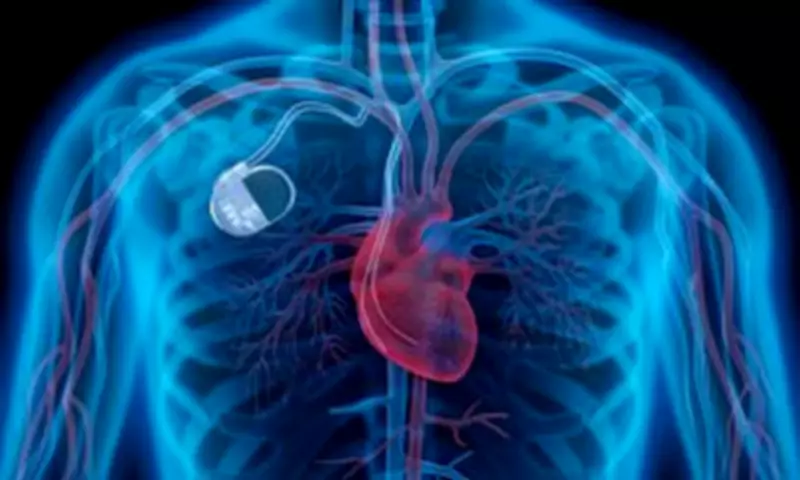
Professor Herring is now expanding research to include up to 100 patients, examining whether standard pacemakers—which regulate rate but lack synchronisation capabilities—might inadvertently inhibit the switch to fat burning. If confirmed, this could broaden CRT applications significantly. Currently, around 12,000 CRT devices are implanted yearly in the UK, positioned beneath the skin near the collarbone with leads connecting to the heart.
Cardiology Community Response
Professor Francisco Leyva-Leon, a consultant cardiologist at Queen Elizabeth Hospital in Birmingham, praised the research as promising. He suggested that CRT's ability to revert fuel consumption to fat may explain its efficacy in improving survival and symptom reduction. Conversely, Dr Lisa Anderson, a consultant cardiologist at St George's University Hospitals NHS Foundation Trust in London, cautioned that the study's technical nature may not immediately alter heart failure treatment protocols, highlighting the need for further clinical validation.
This advancement represents a significant stride in cardiovascular therapy, potentially transforming management for countless heart failure patients by harnessing the body's natural metabolic pathways to restore cardiac vitality.