As autumn settles in, gardens fall quiet as birdsong fades, prompting many to wonder where the birds have gone. While some species migrate south, many resident birds stay but become reclusive, conserving energy during their annual moult. The RSPB advises that bird food and water should be provided "on a regular basis" throughout autumn and winter, with particular emphasis on high-energy, high-fat foods during cold weather.
High-Energy Foods for Robins
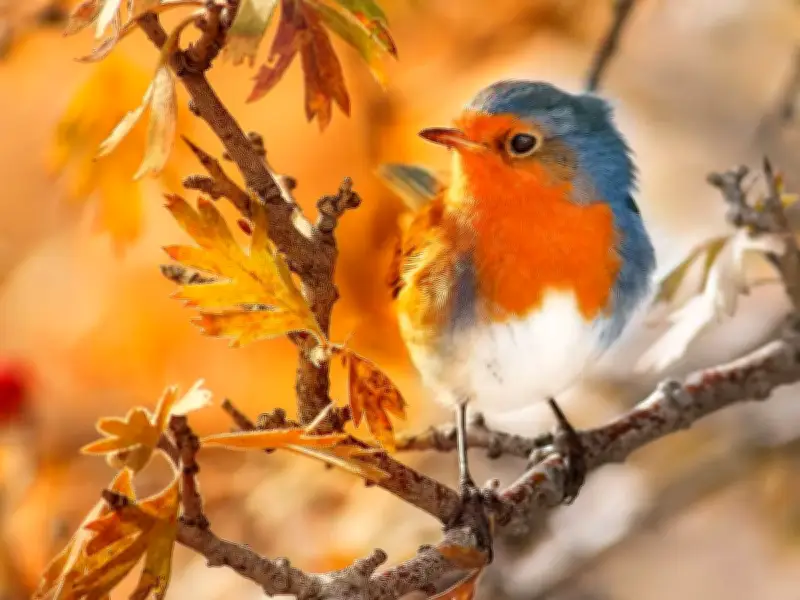
Nutritious, fat-rich foods that birds are particularly drawn to include suet, peanuts, sunflower seeds, and mealworms. Sue Morgan, CEO of SongBird Survival, highlights mealworms as a key food for robins: "Mealworms are a key for robins, they absolutely love them. But I think if you went with sunflower hearts and mealworms... robins would really like those."
When feeding garden birds, cleanliness is crucial to prevent disease. The RSPB advises: "Always adjust the quantity given to the demand, and never allow uneaten foods to build up." Leftover food should be removed, and bird baths should be kept clean regularly. Earlier this year, the RSPB ceased selling its flat bird tables amid fears they might help spread fatal diseases among finches.
Why Birds Go Quiet in Autumn
After the breeding season, adult birds are worn out, and their plumage becomes tattered. They undergo a complete moult, an energy-intensive process that leaves them more vulnerable and less willing to emerge. "Moulting is a physically demanding time for birds," the RSPB explains. "They need to conserve energy, so they become much quieter and spend more time hidden amongst vegetation, making them less conspicuous."
During September and October, natural food is abundant. Hedgerows and woodland are full of berries, plants are heavy with seeds, and insects are plentiful, so birds are less reliant on garden feeders. "Wild food sources like berries, nuts, and fallen fruits are at their peak in autumn," notes the British Trust for Ornithology (BTO), "meaning birds don't have to rely as heavily on supplementary feeding."
How to Help Birds Through the Season
Young birds hatched in spring are dispersing to explore new areas, and warm-weather visitors like swallows and housemartins are preparing for their journey south, contributing to the noticeable drop in garden bird numbers. Many resident birds are simply lying low and focusing on staying alive.
To help birds through this challenging time, gardeners can provide fresh, clean water for drinking and bathing, embrace wild patches by leaving piles of leaves, untrimmed seed heads, and undisturbed shrubs, and continue putting out high-quality bird seed, suet, and fat balls to deliver much-needed fuel for moulting birds and those preparing for the colder months.